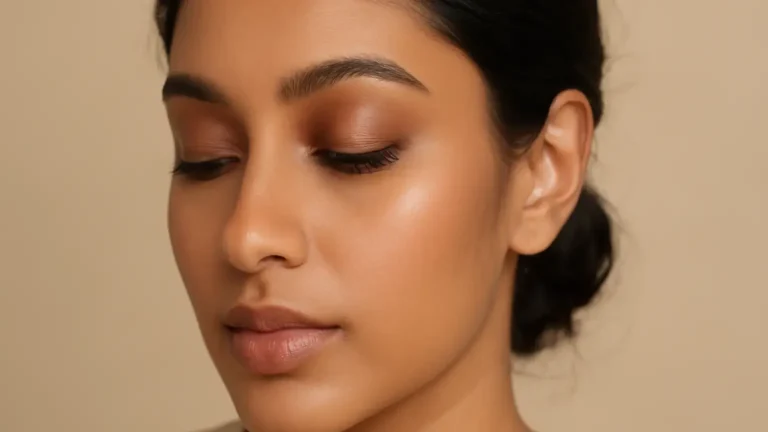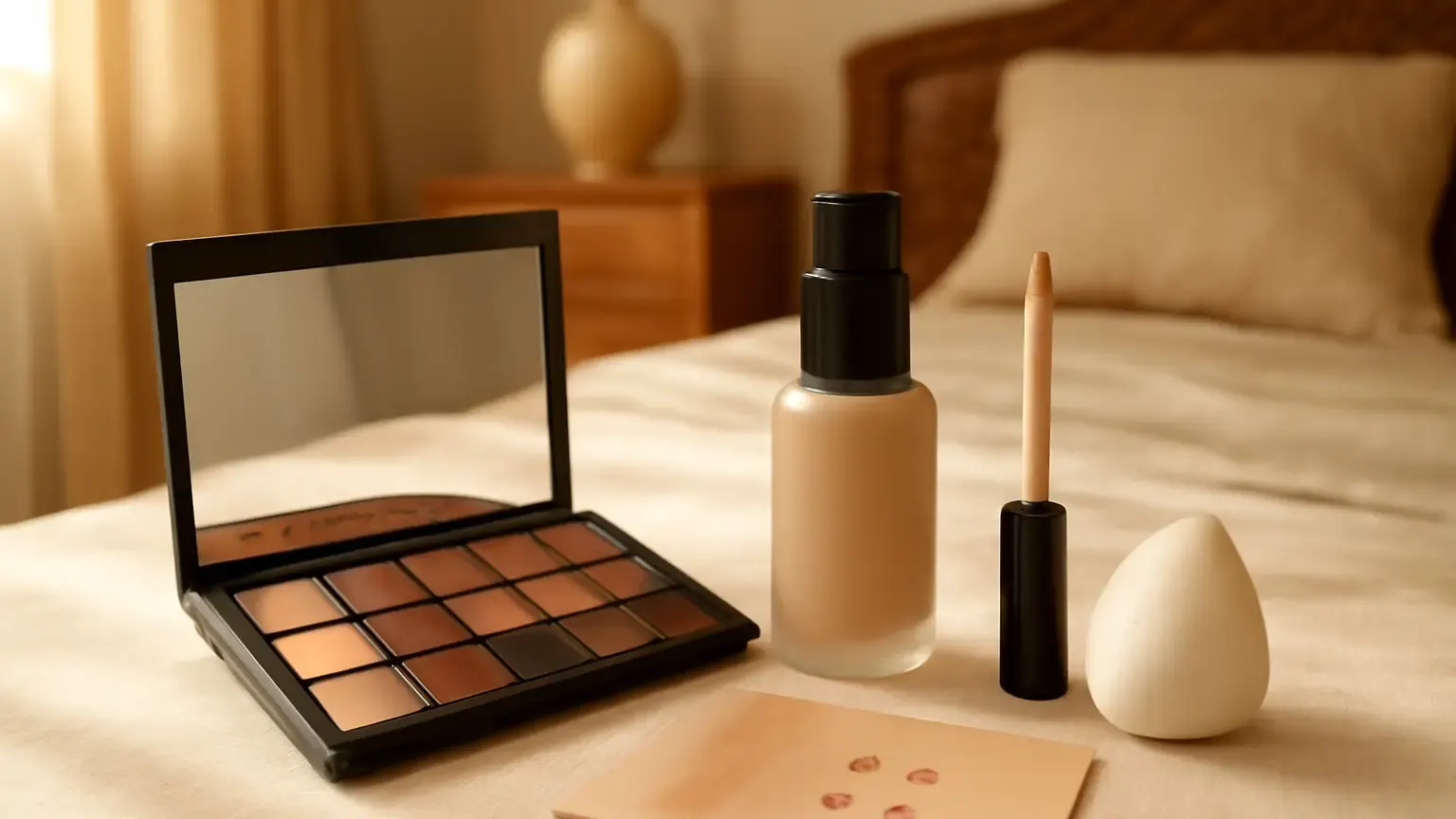
Concealer vs foundation becomes simple when you match the product to the job: use foundation to even out the face, concealer to target a specific area, both when you need balanced coverage, and neither for an intentionally bare or minimal look. This guide is for beginners building a practical makeup routine in India, with clear advice on coverage, placement, finish, layering and skin-tone matching so you can decide what belongs in your kit—and what you can skip.
Choosing between complexion products is less about following a fixed order and more about deciding how much of your natural skin you want to see. Foundation and concealer overlap, but they are designed for different jobs. A good routine may include one, both or neither depending on your event, skin texture, comfort and desired finish.
What is the difference between concealer and foundation?
The main difference between concealer and foundation is coverage area. Foundation is made to spread across most or all of the face, helping create a more even-looking base. Concealer is usually thicker or more pigmented and is placed only where extra coverage is useful, such as under the eyes, around the nose or over individual marks.
| Product | Best for | Typical application | Finish and coverage |
|---|---|---|---|
| Foundation | Evening out overall complexion | Thin layer over the face | Sheer to full, depending on formula |
| Concealer | Targeting discolouration or small areas | Dots or short strokes on selected areas | Often more concentrated and buildable |
These descriptions are general rather than absolute. Some lightweight concealers can look natural over a broad area, while some foundations offer very strong coverage. Read the product directions and consider how the formula behaves on your skin before layering.
When should beginners use foundation?
Foundation is useful when unevenness across several areas is your main concern. It can soften the appearance of redness, dullness or an inconsistent tone without requiring individual dots of product everywhere. For foundation for beginners, a light or medium formula with buildable coverage is usually easier to control than an opaque formula.
Choose foundation when you want:
- A more even base for photographs, celebrations or long events.
- Consistent coverage across the cheeks, forehead and chin.
- A surface that helps blush, bronzer or highlighter blend evenly.
- A polished base without separately covering many small areas.
Start with a small amount in the centre of the face and blend outward. This prevents a heavy border around the jaw and keeps the finish lighter where you may not need much coverage. If the centre of the face needs more, add a second thin layer rather than applying a thick first coat.
When is concealer enough?
Concealer alone works well when your overall skin tone already feels fairly even and you only want to refine a few areas. This is especially useful for a quick office routine, a hot day, a casual outing or anyone who dislikes the feel of a full face base.
Use spot concealing for individual blemish marks or areas of redness: apply a small amount, allow it to settle briefly, then tap the edges until they disappear into the surrounding skin. For under-eye makeup, use less product than you expect. A thin layer placed near the inner corner or darkest area can look fresher than a wide, thick triangle beneath both eyes.
Concealer without foundation is also a practical choice for a natural makeup look. Match the concealer closely to the surrounding skin when covering spots. A brighter shade can lift the under-eye area, but too much contrast may make it look grey or obvious, particularly in daylight.
When should you use both?
Use foundation and concealer together when you want overall evening plus targeted correction. Foundation handles the broad areas, while concealer adds precision where the foundation has not fully evened things out. This approach can give the appearance of more coverage without putting a thick layer over the entire face.
A simple layering routine
- Apply moisturiser and daytime sunscreen suitable for your routine, then allow them to settle.
- Use a small amount of foundation over the face, concentrating first on areas that need it.
- Check the result in natural light before adding more product.
- Tap concealer on remaining dark circles, marks or redness. Keep the edges thin.
- Set only areas that crease or become shiny, rather than automatically powdering the whole face.
In most routines, foundation comes before concealer because it shows you how much extra coverage is actually needed. However, there is no universal rule. Some people apply a small amount of colour corrector or concealer first, then use a very sheer base over it. The best order is the one that creates the least product buildup while giving the result you want.
How coverage and finish change the decision
Coverage describes how much of the natural skin tone or discolouration a product visually masks. Sheer coverage lets freckles and skin variation show through; medium coverage balances the complexion; full coverage makeup conceals more of the original appearance. More coverage is not automatically better. It can emphasise dryness, texture or fine lines if the formula is applied heavily.
Finish is equally important. A dewy finish can make the face look fresh, but it may move more easily in humid weather or on areas that become oily. A matte finish can look neat and controlled, though too much powder may make skin appear flat or dry. When considering dewy vs matte finish, choose based on comfort, weather, skin texture and the rest of your makeup—not only on trend photos.
Buildable coverage is a useful middle ground for beginners. It allows you to begin with a thin layer and add product only where needed. If you want long-wear makeup for a wedding, festival or extended workday, thin layers, careful blending and targeted setting are often more comfortable than one thick layer.
How to choose shades and tools
Skin tone matching is easier when you compare a product along the jawline rather than only on the hand. Check it in daylight if possible. The right foundation should blend into both the face and neck area. For blemish coverage, choose a concealer close to your foundation or natural skin tone. For the under-eye area, a slightly brighter shade may work, but a very pale shade can draw attention to shadows.
Colour correction makeup may help when a specific area has a strong blue, purple or brown cast that ordinary concealer does not balance easily. Use a tiny amount of an appropriate corrector first, blend it thinly, and then apply concealer. More corrector is not a shortcut to better coverage; excess pigment can make the area look muddy.
Use clean fingers, a damp beauty sponge or a suitable brush according to the area and formula. Fingers can warm and sheer out a product, a sponge can soften edges, and a brush can provide more targeted placement. Whichever tool you use, tap rather than rub over delicate under-eye skin and clean reusable tools regularly.
When should you use neither?
You do not need a complexion base for every makeup look. Skip both products when you want your real skin to remain visible, when the weather makes layers uncomfortable, or when your skincare and a little colour on the cheeks already give you the effect you want. Mascara, brow grooming, lip colour and a touch of blush can create a complete look without face makeup.
For a lighter alternative, consider a tinted moisturiser or a small amount of sheer skin tint if you want modest tone evening without traditional foundation. Neither is a compulsory step, and wearing less product can also reduce the chance of visible buildup on textured areas. If a product repeatedly causes stinging, itching or a concerning reaction, stop using it and seek advice from a qualified dermatologist or doctor, especially if symptoms persist or worsen.
Common mistakes to avoid
- Using concealer across the whole face by default: this can create unnecessary thickness and make blending harder.
- Choosing a very light concealer for every concern: brightening and spot coverage usually need different shade decisions.
- Skipping a daylight check: indoor lighting can hide an obvious mismatch.
- Applying too much under the eyes: excess product often gathers in natural creases.
- Powdering every area: set strategically where movement or shine is a concern.
- Expecting makeup to replace skin care: makeup can adjust appearance, but it does not treat an underlying skin concern.
Quick decision guide
- Choose concealer only for a quick, fresh routine or a few targeted areas.
- Choose foundation only when the main need is light, even coverage across the face.
- Choose both when you want an even base plus extra help with dark circles, marks or redness.
- Choose neither for a bare-skin, minimalist or very lightweight makeup look.
The best choice depends on the area you want to change, the coverage you can comfortably wear and the finish that suits the occasion. Start with less, assess in natural light and add only where it improves the result. That is the most reliable way to approach concealer vs foundation without turning a simple routine into unnecessary layers.
Products that may help with this routine
Choose products based on your skin, hair or personal needs rather than buying every item in a routine.
- Amazon India Lightweight Buildable Foundation
(paid link) See relevant options on Amazon - Amazon India Concealer For Under Eyes
(paid link) See relevant options on Amazon - Amazon India Makeup Sponge And Concealer Brush Set
(paid link) See relevant options on Amazon
Frequently Asked Questions
Should I use concealer or foundation first?
If you are using both, apply a thin layer of foundation first and then add concealer only where more coverage is needed. This helps prevent unnecessary product buildup. A colour corrector may be used before both when appropriate.
What is the difference between concealer and foundation?
Foundation is generally designed to even out the appearance of the whole face, while concealer is usually more concentrated and intended for selected areas such as dark circles, redness or individual marks.
Can you use concealer without foundation?
Yes. Apply a small amount of well-matched concealer only to areas you want to refine, then blend the edges. This is suitable for a quick routine or a natural makeup look when your overall complexion already feels even.
Is concealer better than foundation for dark circles?
Usually, a targeted concealer is more practical for dark circles because it is designed for localised coverage. If the surrounding complexion is uneven too, use a light foundation first and concealer only where the shadows remain.
What makeup can you wear instead of foundation?
You can skip foundation or choose a tinted moisturiser, sheer skin tint, spot concealer, blush, mascara and lip colour. The right option depends on how much tone evening and coverage you want.
Do you need both concealer and foundation for everyday makeup?
No. Many everyday routines need only one product or neither. Use both when you want overall evening and extra targeted coverage, but keep each layer thin and place it only where useful.