Hair care before festive season works best when it starts 14 days ahead, not the night before. This plan is for anyone in India preparing for a festival, wedding or family function who wants softer hair and easier styling without risky last-minute experiments. Schedule a trim early, keep your wash routine familiar, add measured conditioning, manage humidity-related frizz and test the complete hairstyle at least several days before the event.
A festive hairstyle looks more polished when the hair underneath is comfortable, clean and predictable. The goal is not to transform your texture in two weeks. It is to reduce avoidable problems such as rough ends, product residue, limp roots, static, flyaways and a style that collapses in Indian humidity.
Start with a realistic hair check
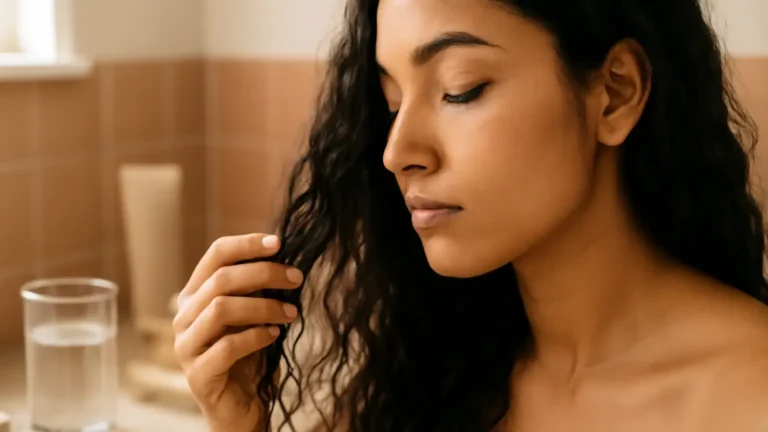
Before buying anything, assess your hair in daylight. Notice whether the roots become oily quickly, whether the lengths feel dry, how easily the hair tangles and whether your scalp feels comfortable between washes. Also consider the event itself: a daytime outdoor puja, a humid evening reception and an air-conditioned family dinner may need different levels of hold and frizz control.
This simple check helps you avoid overcorrecting. Hair that is already fine or oily may become flat after a heavy hair mask, while thick, curly or chemically treated hair may need more moisture and a gentler detangling method. Keep the products you know suit you; festive preparation is a poor time to introduce several strong formulas together.
Days 14–11: Plan the foundation
Book the trim at the right time
For most people, a hair trim before a festival is most useful 10 to 14 days ahead. This gives the ends time to settle and lets you learn how the cut behaves. Ask for a maintenance trim rather than a dramatic change if you need dependable styling. A small clean-up can make braids, buns and open hair look neater, but cutting too close to the event leaves little room to adjust to unexpected volume or a new fringe.
If you are considering layers, bangs or a major length change, do it earlier than this countdown. Split ends cannot be repaired permanently by a mask or serum; conditioning can improve feel and appearance, but damaged ends may still need trimming.
Set a wash schedule
Your hair wash schedule should follow your usual scalp needs, not a festival rule. If your scalp gets oily after one day, washing before the event may be sensible. If your hair is dry or curly and normally lasts several days, washing too often can increase puffiness. Mark your likely wash day on the calendar and leave enough time for the hair to dry completely before styling.
Days 10–7: Build softness without heaviness
Use conditioning strategically
Apply conditioner mainly from the mid-lengths to the ends, then rinse thoroughly. Once during this week, you can use deep conditioning for hair if it is already part of your routine. A short, familiar treatment is safer than leaving a new rich product on for hours. Fine hair may need only a small amount on the ends; coarse, curly or heat-stressed hair may benefit from more slip.
For the question, “should I deep condition my hair before a wedding?” the practical answer is yes, if your hair has tolerated that treatment before—but do it several days ahead, not immediately before the hairstyle. This gives you time to adjust if the hair feels coated or too soft to hold a pin.
Keep the scalp clean and comfortable
A gentle scalp care routine means cleansing according to oil, sweat and product use, while avoiding aggressive scratching. Do not pile oil, dry shampoo, styling cream and a mask onto the scalp simply because an event is approaching. If you use a clarifying shampoo, reserve it for a product-heavy scalp and use it well before the event; over-cleansing can leave lengths rough.
Days 6–4: Focus on frizz and handling
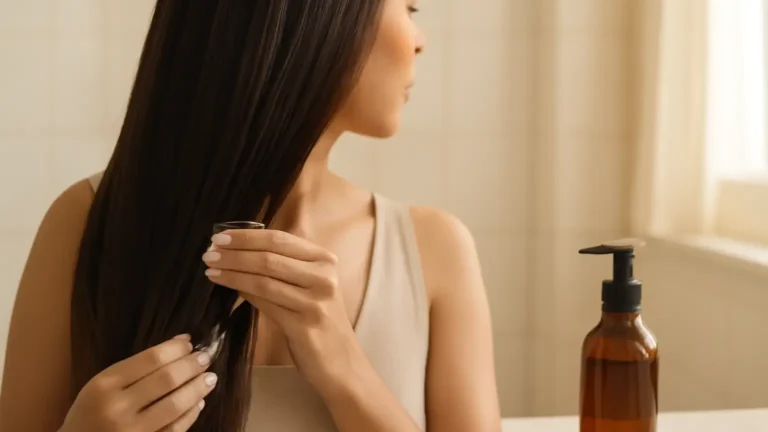
Humidity can make the outer layer of hair expand, especially when the hair is porous or not fully dry. A simple frizz control routine is more reliable than repeatedly brushing flyaways. After washing, gently squeeze out water with a soft towel or cotton T-shirt. Apply a small amount of leave-in conditioner or an anti-frizz serum to the lengths, concentrating on the ends.
Use a wide-tooth comb when the hair needs detangling. Detangling wet hair can cause unnecessary pulling if done from the roots with a fine comb. Instead, work from the ends upwards, supporting the section with your hand. Curly and wavy hair may be easier to detangle while conditioned; straight, fine hair may need less product and a comb once it is partly dry.
At night, a loose braid or low ponytail can reduce tangling. Choose a smooth, fabric-covered tie rather than a tight elastic. Sleep with the hair fully dry, and avoid tying it tightly if the scalp feels tender or the hairline is fragile.
Days 3–2: Test the complete look
Make a low-risk hairstyle trial
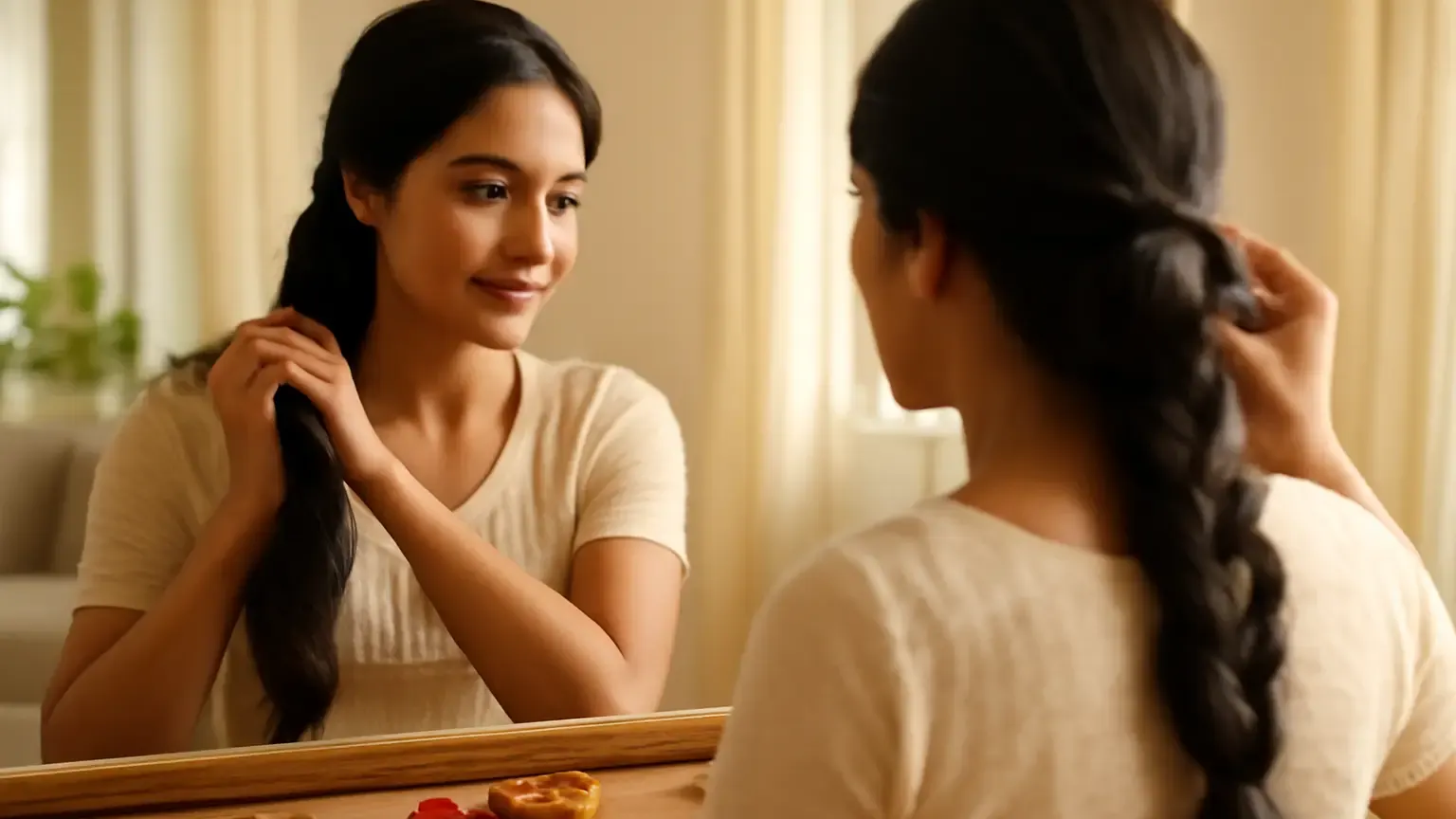
A hairstyle trial should copy the real event as closely as possible: wash timing, parting, products, accessories and the approximate number of hours you will wear it. This answers “how to test a festive hairstyle before an event” better than trying only a quick front view in the mirror. Take photos from the side and back, sit down, walk around and check whether pins tug or the style loosens.
For heat styling, use a heat protectant for hair on dry or damp hair as directed by its label, then keep the temperature as low as practical. Do not repeatedly pass a hot tool over the same section. If you rarely use heat, consider a braid, low bun, half-up style or roller set instead of attempting a complex look under time pressure.
Choose hold and accessories by hair type
- Fine or straight hair: use light layers of product and place pins where the hair has support. Too much oil or serum can make the style slide.
- Thick, wavy or curly hair: preserve the natural pattern where possible and use sections rather than brushing everything smooth. A small amount of cream can improve definition without flattening it.
- Dry or chemically treated hair: prioritise conditioning, lower heat and wider, gentler accessories. Avoid a tight style that stresses fragile lengths.
- Oily roots: wash at the timing that normally works for you. If using dry shampoo, trial it beforehand and apply sparingly rather than building several layers.
When selecting hair accessories for festive looks, check their weight, edges and grip. Decorative pins, flowers or jewellery should not pull at one small section. Place heavier pieces near a secure bun or braid, and remove them gently by loosening the style first.
Day 1: Keep everything familiar
Wash on the day that matches your trial, whether that is the evening before or the morning of the function. Use a familiar shampoo and conditioner, rinse well and dry the roots fully. If you need a smooth finish, apply a small amount of leave-in product or serum to the lengths rather than repeatedly adding more after the style is complete.
Pack a compact touch-up kit: a few pins, the same tie used in the trial, a travel-size product you have already tested and a clean comb. Avoid trying a new oil, colour, chemical treatment or strong scalp product at this point. These may change how the hair holds or cause irritation when you need comfort most.
On the festive day: Style gently and allow for the climate
Begin with fully dry hair unless your chosen technique specifically requires dampness. Sectioning creates a cleaner result and usually reduces the need for repeated heat. Secure the base before adding decoration, and leave enough looseness around the temples and hairline to avoid a headache.
For outdoor events, humidity-resistant hold can help, but use a light layer rather than saturating the hair. For a long ceremony, prioritise comfort and a style that can be repaired quickly. If rain or heavy humidity is expected, a braid or low bun may be a more dependable choice than fully open hair.
Common mistakes to avoid
- Getting a major haircut or fringe immediately before the event.
- Using several unfamiliar masks, oils, sprays or styling tools at once.
- Applying heavy conditioner or serum near oily roots.
- Brushing wet hair roughly or pulling through knots from the scalp down.
- Testing only the front of a hairstyle and ignoring pin comfort, movement and back view.
- Using high heat repeatedly because the first pass did not look perfect.
- Wearing heavy jewellery or a tight elastic for hours without checking tension.
Quick takeaway
The most dependable hair care before festive season plan is a calm one: trim 10–14 days ahead, keep your normal wash pattern, condition according to texture, control frizz with small amounts of familiar products and complete a full hairstyle trial several days before the event. If you have persistent itching, significant shedding, painful scalp changes or sudden hair breakage, seek advice from a qualified dermatologist rather than trying to solve the concern with event styling products.
Products that may help with this routine
Choose products based on your skin, hair or personal needs rather than buying every item in a routine.
- Amazon India Heat Protectant Hair Spray
(paid link) See relevant options on Amazon - Amazon India Anti Frizz Serum Hair
(paid link) See relevant options on Amazon - Amazon India Wide Tooth Comb
(paid link) See relevant options on Amazon - Amazon India Satin Scrunchies
(paid link) See relevant options on Amazon
Frequently Asked Questions
How many days before a festival should I trim my hair?
For a simple maintenance trim, 10 to 14 days before the festival usually gives the ends time to settle and leaves room to adjust the styling. Plan a major cut, layers or fringe earlier.
What is the best hair care routine before a festival?
Start two weeks ahead with a realistic hair check, schedule a familiar wash routine, condition the lengths, manage frizz gently and test the complete hairstyle several days before the event.
How do I control frizz before a festive event?
Dry the roots fully, handle wet hair gently, use a small amount of leave-in conditioner or anti-frizz serum on the lengths and choose a style suited to the expected humidity.
When should I wash my hair before a family function?
Wash according to your normal scalp needs and the hairstyle you tested. Many people prefer the evening before or the morning of the function, but the best timing is the one that gives your hair the right texture and enough time to dry.
Should I deep condition my hair before a wedding?
You can deep condition several days before the wedding if the treatment already suits your hair. Avoid trying a rich, unfamiliar treatment immediately before styling because it may leave hair heavy or difficult to hold.
How can I test a festive hairstyle before an event?
Repeat the full process—wash timing, products, parting, heat, pins and accessories—and wear the style for a few hours. Check comfort, movement, hold and the back view before finalising it.