November fashion trends India are less about heavy winterwear and more about smart, breathable layering. If you dress for changing temperatures in Delhi, Mumbai, Bengaluru, Kolkata or southern cities, these seven combinations help you stay comfortable without losing polish. Start with cotton or linen-cotton basics, add one removable layer, bring in a richer seasonal colour and choose footwear that can manage commuting, cool evenings and unexpected damp patches.
Why November dressing needs a flexible approach
November is not one uniform season across India. Delhi and Jaipur can feel crisp in the morning and sunny by afternoon, while Mumbai and Chennai may remain warm with humidity. Bengaluru often has pleasant daytime weather but cooler evenings, and Kolkata can shift between mild afternoons and breezy nights. That makes transitional dressing more useful than buying a complete winter wardrobe.
The most practical formula is a breathable base, one easy-to-remove layer and shoes suited to your commute. Cotton shirts, relaxed trousers and light dresses work during the day; overshirts, knit vests or lightweight jackets add warmth after sunset. This approach also prevents a common mistake: wearing thick fabrics too early and feeling uncomfortable indoors or in traffic.
November fashion trends India: the seven looks to try
1. Cotton shirt, knit vest and wide-leg trousers
A crisp cotton shirt under a sleeveless knit vest is one of the easiest ways to add texture without overheating. Pair it with high-waisted wide-leg trousers in charcoal, olive, chocolate brown or navy. Keep the shirt slightly relaxed rather than tightly tucked, then finish with loafers or clean low-profile sneakers.
This look suits office days in Bengaluru, Delhi afternoons and casual meetings in Pune. Choose a fine-gauge vest for warmer cities and a denser knit for early mornings in North India. If your workplace is formal, use a white or pale blue shirt with tailored trousers; for a creative setting, try a striped shirt and a muted jewel tone such as teal or burgundy.
2. Lightweight jacket over a simple dress
For an uncomplicated one-piece outfit, wear a midi dress with a lightweight jacket. A denim jacket gives a casual finish, while a cotton-twill chore jacket looks more structured. Choose a dress with enough room for movement and a fabric that does not cling in humidity.
This combination is useful for Mumbai evenings, college days and weekend plans because the jacket can be removed when the temperature rises. Add a slim belt if you want more definition, or leave the dress loose for a relaxed silhouette. Flat sandals work in dry weather, but sneakers or closed loafers are safer for long walks and variable pavements.
3. Jewel-tone kurta with straight trousers
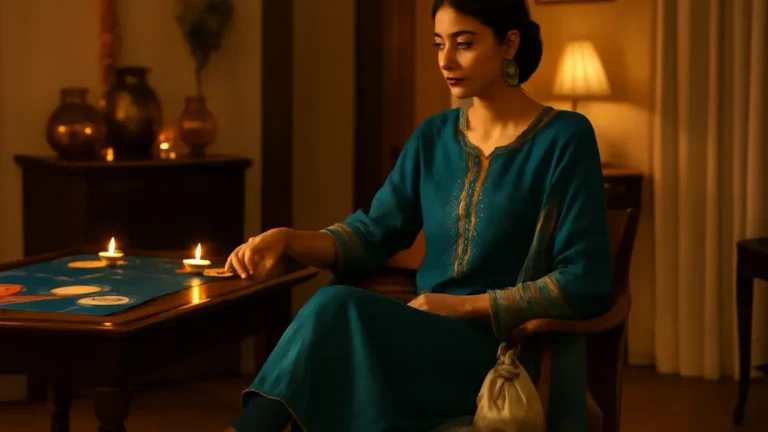
Jewel tones are an easy seasonal update without requiring Western layering. Try an emerald, ruby, sapphire or aubergine kurta with straight cotton trousers and a lightweight dupatta. The colour does the visual work, while breathable fabric keeps the outfit practical for Indian daytime temperatures.
For a polished office outfit, select a minimal kurta with small earrings and tan loafers. For a family lunch, add a printed dupatta or subtle embroidered detail. In warmer coastal cities, keep the silhouette airy and avoid lining that makes the garment feel heavy. This is also a useful choice for anyone who wants festive colour without wearing a heavily embellished outfit.
4. Textured co-ord with practical sneakers
A textured co-ord set can look considered while requiring very little styling. Look for a relaxed shirt-and-trouser or tunic-and-pant set in cotton seersucker, fine corduroy, dobby cotton or soft waffle fabric. Texture adds depth to a neutral outfit, especially in sand, stone, rust or deep green.
Wear the set with simple sneakers for travel, errands or a casual work environment. If the texture is pronounced, keep accessories clean and understated. This outfit works particularly well for people who prefer repeatable wardrobes: the top and bottom can each be worn with plain separates later. Check the fabric weight before buying, since thick corduroy can be too warm in Mumbai or Chennai.
5. Overshirt, tank or tee and relaxed jeans
An overshirt is one of the most adaptable light layers for November. Start with a breathable tank or crew-neck tee, add a cotton overshirt and wear it with straight or relaxed-fit jeans. Suitable colours include faded indigo, ecru, tobacco, forest green and washed black.
Leave the overshirt open during the afternoon and button it later in the evening. In warmer cities, choose a loose weave or linen-cotton blend; in Delhi or Chandigarh, a brushed cotton overshirt can provide extra comfort after sunset. Complete the look with canvas sneakers, trainers or flat leather sandals depending on the weather and amount of walking.
6. Saree with a fine knit or structured blouse
For a contemporary Indian look, style a lightweight saree with a fine knit blouse, fitted full-sleeve top or structured cotton blouse. Chanderi, cotton-silk, modal and lightweight handloom sarees can offer movement without the bulk of winter textiles. A fine knit layer is most useful for early mornings or air-conditioned venues.
Keep the rest of the outfit balanced: if the saree has a strong print, choose a plain blouse; if the saree is solid, bring in contrast through a textured blouse or a narrow border. Low block heels, embellished flats or supportive sandals are more practical than delicate footwear when you need to walk between venues. This combination suits festive lunches, cultural events and smart evening plans.
7. Fine knit top, midi skirt and ankle boots
In cooler North Indian cities, pair a fine knit top with a midi skirt and ankle boots. Choose a lightweight knit rather than a thick jumper, and balance it with a skirt in cotton twill, denim, satin or a soft woven fabric. A tucked-in top creates a clean line, while a half-tuck feels more relaxed.
Ankle boots are best reserved for drier conditions and cooler destinations, since they can feel warm in humid coastal weather. If you are travelling between cities, pack loafers or sneakers as an alternative. This outfit can move from a café to dinner with a change of earrings and a compact crossbody bag.
How to adapt these looks by Indian city
Delhi, Jaipur and Chandigarh: Start with a breathable base and carry a denser layer for mornings and evenings. A lightweight jacket, knit vest or fine cardigan is usually more useful than a heavy coat in November. Closed shoes, loafers and ankle boots become more comfortable as temperatures fall.
Mumbai, Chennai and Goa: Prioritise airy cotton, linen-cotton and loose silhouettes. Keep layers removable and avoid thick synthetics that trap heat. Sneakers or supportive sandals are generally more versatile than boots. If rain remains possible, choose quick-drying fabrics and footwear with a secure sole; this is where monsoon-friendly fashion decisions still matter.
Bengaluru, Hyderabad and Pune: These cities often reward a middle-ground wardrobe. A cotton shirt with a vest, an overshirt over a tee or a light jacket over a dress can handle temperature changes. Carrying one extra layer is sensible for late commutes and open-air restaurants.
Kolkata and eastern cities: Look for breathable daywear with a light evening layer. Jewel tones, handloom textures and versatile cotton separates work well without making the outfit feel too winter-focused.
Choosing colours, fabrics and footwear
Seasonal colour does not have to mean wearing dark shades from head to toe. Use one richer tone with neutrals: a burgundy vest over a white shirt, an olive overshirt with beige trousers or a sapphire kurta with cream bottoms. These combinations create the feel of November without sacrificing versatility.
Textured fabrics are especially useful because they make simple outfits look more intentional. Seersucker, dobby cotton, fine rib knits, corduroy and woven cotton can add interest. However, texture often increases warmth, so match the fabric to your city rather than choosing only by appearance.
For footwear, decide based on the day rather than the outfit alone. Comfortable footwear should offer a secure fit, enough cushioning for walking and a sole that handles your route. Sneakers are dependable for travel and long commutes, loafers suit workwear, sandals help in warm cities and ankle boots are best for cool, relatively dry destinations. Avoid introducing new shoes on an important event day.
A simple routine for building a November outfit
- Check the full day, not just the morning: Compare the expected morning, afternoon and evening temperatures, especially when travelling between indoor and outdoor spaces.
- Choose the base first: Begin with a cotton tee, shirt, kurta or breathable dress. This is the layer that stays on if the day becomes warmer.
- Add one removable layer: Select a vest, overshirt, jacket or fine cardigan. Two thin layers are usually more adaptable than one bulky garment.
- Balance proportions: Pair a loose top layer with straight trousers or a cleaner bottom, or style a fitted top with wide-leg trousers or a fluid skirt.
- Finish for movement: Consider your commute, stairs, walking distance and weather before choosing shoes and accessories.
- Pack a small backup: A scarf, compact umbrella or spare pair of socks can make a noticeable difference on unpredictable days.
Common styling mistakes to avoid
The first is over-layering. Wearing a tee, shirt, thick cardigan and jacket may look appealing in a cold-weather mood board but can be impractical in a warm city. Start with one useful layer and add only what the forecast requires.
The second is ignoring fabric behaviour. A polyester-heavy top may feel uncomfortable in humidity, while a thick knit can become cumbersome indoors. Check breathability, lining and ease of movement before focusing on colour.
The third is treating footwear as an afterthought. A beautiful outfit loses practicality if the shoes pinch, slip or cannot handle your route. Also avoid pairing every November look with boots; sneakers, loafers and supportive flats are often more useful across India.
Finally, do not buy a completely new wardrobe for a short seasonal transition. Rework existing cotton shirts, trousers, kurtas, dresses and denim with one new layer or a different colour combination. That is the most sustainable way to explore November outfit trends India while keeping your wardrobe functional.
Quick takeaway
The strongest November fashion trends India offers are practical rather than extreme: breathable bases, light layers, jewel tones, textured fabrics and shoes chosen for real movement. Use the seven combinations as templates, then adjust fabric weight and coverage for your city. If you can remove a layer, walk comfortably and stay at ease through the warmest part of the day, the outfit is working.
Products that may help with this routine
Choose only what fits your skin, hair or personal needs. Use the links below to view current options on Amazon India.
Frequently Asked Questions
What to wear in November in India?
Wear a breathable cotton or linen-cotton base with one removable layer, such as an overshirt, knit vest, fine cardigan or lightweight jacket. Choose the layer and footwear according to your city: lighter fabrics and sneakers suit warm coastal areas, while denser layers and closed shoes are more useful in cooler northern cities.
What are some November outfit ideas for Indian weather?
Try a cotton shirt with a knit vest and wide-leg trousers, a midi dress with a lightweight jacket, a jewel-tone kurta with straight trousers, a textured co-ord with sneakers, or an overshirt over a tee and relaxed jeans. These combinations are easy to adjust as temperatures change.
What are the best November clothes for Delhi and Mumbai?
Delhi usually allows slightly warmer layers for mornings and evenings, such as fine knits, lightweight jackets and closed shoes. Mumbai generally calls for breathable cotton, loose silhouettes and removable layers that do not trap humidity. In both cities, a cotton base is a useful starting point.
How do you layer clothes in warm Indian cities?
Begin with a breathable, lightweight base and add just one open or removable layer. Choose loose overshirts, fine vests or unlined cotton jackets instead of thick sweaters. Keep the layer off during the warmest part of the day and carry it for air-conditioned spaces or evening plans.
What is comfortable footwear for November outfits?
Sneakers, supportive flat sandals and loafers are versatile choices for most Indian cities. Ankle boots can work in cooler, drier destinations, but may feel too warm in humid coastal areas. Prioritise a secure fit, cushioning and a sole suited to your daily walking route.
What are useful November fashion trends India can wear to work?
For work, combine cotton shirts, tailored trousers, knit vests, jewel-tone kurtas, modest midi dresses or lightweight jackets. Keep the palette refined and choose comfortable closed shoes or loafers. The most useful office look is one that remains polished after a warm commute and can adapt to strong air-conditioning.