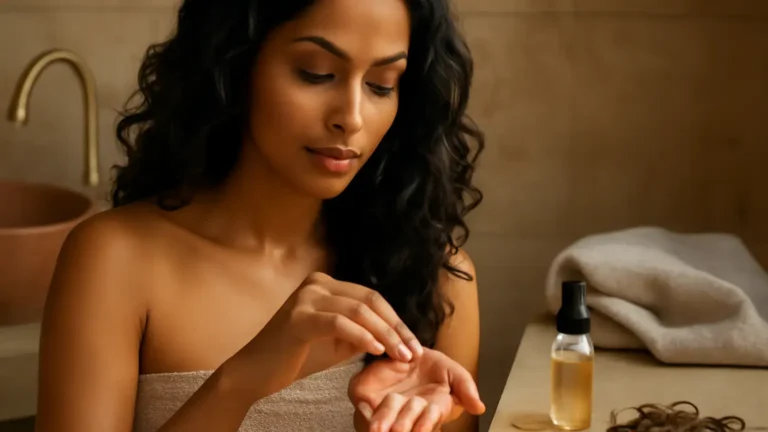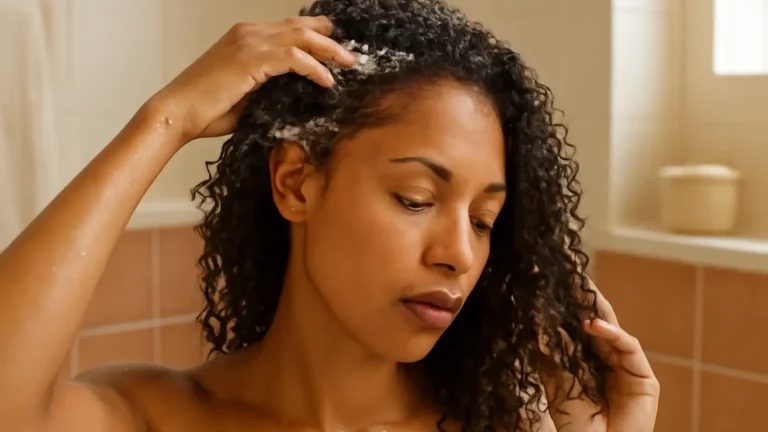
Curly Wavy Hair and Satin Pillowcases can make overnight care simpler for anyone whose curls or waves flatten, frizz or lose shape while sleeping. A smooth satin surface usually creates less friction than cotton, but it will not preserve every style perfectly. Pair a suitable pillowcase with dry, gently prepared hair, a loose pineapple or bonnet when useful, and realistic expectations about humidity, product hold and your next-day refresh.
Why overnight friction changes curl and wave definition
Hair rubs against a pillow every time you turn during sleep. That repeated movement can disturb clumps, lift the hair cuticle and pull moisture from the surface. The result may be frizz, tangles, uneven curl definition or waves that look stretched by morning. This is mechanical friction, not a sign that your hair is unhealthy by itself.
A smooth satin surface allows hair to move more easily than many textured fabrics. That can support hair breakage prevention, especially for dry, highly textured or easily tangled hair. It may also help keep styling product distributed through the hair rather than rubbed onto the pillow. However, a pillowcase cannot replace suitable conditioning, gentle detangling or a styling routine that matches your curl pattern.
For Indian climates, humidity is another important variable. Moisture in the air can expand the hair shaft and soften a style, even when you sleep on satin. A satin pillowcase may reduce avoidable rubbing, but it cannot guarantee perfectly defined curls after a hot, humid night.
Curly Wavy Hair and Satin Pillowcases: what the fabric actually does
Satin describes a smooth type of weave or finish, while silk is a natural fibre. Satin pillowcases can be made from polyester or other fibres; silk pillowcases are made from silk. Both may feel smooth, but their breathability, care requirements, price and durability can differ.
Silk versus satin pillowcase
When comparing silk versus satin pillowcase options, focus on the features you will use every night:
- Satin: generally offers a smooth, accessible surface and is often easier to wash, but some synthetic versions may feel warmer or less breathable.
- Silk: is a natural fibre with a soft, smooth hand feel, but it usually needs gentler washing and careful handling.
- Cotton: can feel breathable and familiar, yet its absorbent, textured surface may create more cotton pillowcase friction and draw product or moisture from the hair.
The best choice depends on comfort as much as hair. If you sleep hot, look for a smooth, lightweight and breathable sleep fabric. If your pillowcase feels sticky, overheats you or causes sweating, the hair benefit may not outweigh the sleep discomfort.
Who benefits most from a satin pillowcase for curly hair?
A satin pillowcase for curly hair is particularly useful for people who wake with tangled ends, compressed curl clumps, dry-feeling lengths or visible surface frizz. It can be helpful for:
- loose waves that become fluffy after rubbing against bedding;
- curls that lose their shape when sleeping with wet or damp hair;
- long hair that tangles at the nape and ends;
- dry or porous hair that responds poorly to repeated friction;
- anyone who dislikes wearing a bonnet overnight.
The result will vary with hair length, density, curl pattern, styling products, sleep movement and the condition of the hair before bed. People with fine waves may find that too much product or a tight overnight style creates more flattening than the pillowcase prevents. Smooth bedding is a support, not a complete styling system.
A practical bedtime hair routine for curls and waves
A reliable bedtime hair routine should minimise pulling while keeping hair dry enough to avoid flattened, damp clumps.
- Let hair dry fully where possible. Sleeping on wet hair increases stretching, tangling and uneven drying. If you must sleep before it is fully dry, avoid tightly tying it and use a gentle, low-tension arrangement.
- Use dry hands to check the shape. Do not brush out defined curls or repeatedly rake through waves. Lightly scrunch only areas that need encouragement.
- Choose a loose lift. Gather longer hair loosely at the crown with a soft scrunchie. The aim is to keep the lengths from being trapped beneath your head, not to create tension at the roots.
- Cover or smooth the hair. Place the hair on the satin pillowcase, or add a bonnet if your hair needs more containment. Avoid elastic bands that leave a tight mark.
- Keep the bedding clean. Product, sweat and skin oils collect on any pillowcase. Follow the care label and wash it regularly so the smooth surface stays comfortable and functional.
Sleeping positions, the pineapple method and bonnets
Your sleeping position can affect the result as much as the fabric. Back sleepers may find it easier to place the hair above the crown and keep the sides free. Side sleepers can position the ponytail or bonnet slightly away from the area that receives the most pressure. If you move frequently, a smooth pillowcase offers a useful backup even when the hair shifts.
When the pineapple method helps
The pineapple method involves gathering hair loosely near the top of the head, usually with a soft scrunchie. It can protect longer curls from being crushed underneath the head. It may be less suitable for short hair, fine hair that loses root volume, or waves that become bent at the front. Do not pull the hair tightly or place the tie where it creates tension.
When to use a satin bonnet
A satin bonnet can help when your hair is very dense, long, fragile or prone to tangling. It keeps the lengths contained more consistently than a pillowcase alone. Choose a comfortable size that does not compress the roots, slip over the face or leave a tight mark around the hairline. A bonnet is optional; a smooth pillowcase is often the simpler starting point.
What to expect the morning after wash day
Even with careful overnight protection, freshly styled curls and waves may look different in the morning. The roots can lose lift, individual clumps may separate, and the ends may need a small amount of water or product. This is normal. Hair is affected by pressure, body heat, humidity and the movement of the sleeper.
For wash day curls, give the style time to form and set before sleeping. A strong-hold styling product may preserve definition better than a light leave-in alone, but applying more product at bedtime is not automatically better. Heavy layers can leave fine waves limp or create residue on the pillowcase.
For a morning refresh, mist your hands with water and gently cup or scrunch the areas that have lost shape. Add a very small amount of lightweight styling product only if needed. Avoid saturating the whole head unless you are prepared to dry it fully again. If the hair feels rough, reassess cleansing, conditioning and product balance rather than blaming the pillowcase.
Common mistakes that reduce the benefit
- Sleeping with wet hair: damp strands are more vulnerable to stretching and tangling.
- Using a tight pineapple: tension can flatten the front, disturb the roots and stress the hairline.
- Choosing a slippery but hot fabric: discomfort may lead to sweating and more morning frizz.
- Ignoring the zip and seams: rough edges can catch hair, so check the construction as well as the surface.
- Expecting zero frizz: a pillowcase reduces one source of disturbance; it does not control humidity or erase existing dryness.
- Washing too infrequently: accumulated oil and styling residue can make the surface feel less fresh and may transfer back to the hair.
How to choose and care for the pillowcase
Look for a genuinely smooth surface, secure stitching and a size that fits your pillow without bunching. If you are choosing between synthetic satin and silk, compare care instructions, warmth, breathability and your budget rather than assuming one material suits every sleeper. A removable, washable cover is practical for regular use.
For pillowcase care, follow the manufacturer’s label, avoid rough washing methods that damage the finish and allow the case to dry completely before use. If you use rich oils, creams or heavy stylers, wash the cover more often. Keep a spare cover available so clean bedding does not become an occasional luxury.
Concise takeaway
Curly Wavy Hair and Satin Pillowcases work well together because a smooth surface can reduce overnight friction and help preserve the shape you created. Start with dry hair, a loose arrangement and a comfortable pillowcase. Add the pineapple method or a satin bonnet when your length, density or sleep movement calls for more containment. Expect easier morning refreshes, not perfect curls every day.
Products that may help with this routine
Choose only what fits your skin, hair or personal needs. Use the links below to view current options on Amazon India.
Frequently Asked Questions
Does a satin pillowcase help curly hair?
Yes. It can reduce rubbing compared with many cotton pillowcases, which may mean fewer tangles, less surface frizz and better retention of curl shape. It cannot prevent every effect of humidity, pressure or sleeping movement.
What is the best way to sleep with wavy hair?
Let the hair dry fully, avoid brushing out the wave pattern, and loosely lift longer hair with a soft scrunchie if that preserves your shape. Use a satin pillowcase, and consider a bonnet only if your hair needs extra containment.
How can you protect curls overnight without a bonnet?
Use a smooth satin pillowcase, sleep with fully dry hair and place longer curls loosely above the head with a soft scrunchie. This combination can reduce friction without requiring a covering.
Is silk better than satin for frizzy hair?
Not automatically. Both can provide a smooth surface, while the practical difference may come down to breathability, care, construction, comfort and budget. Choose the option you can use consistently without overheating.
Can you use the pineapple method for wavy hair?
Yes, but keep it very loose and test it on a small section of your routine. Fine or short waves may become flattened or bent, so a satin pillowcase alone may work better.
How do you refresh curls the morning after wash day?
Mist your hands with water, gently scrunch flattened areas and use a small amount of lightweight styling product if needed. Avoid soaking the entire head unless you can dry it completely again.