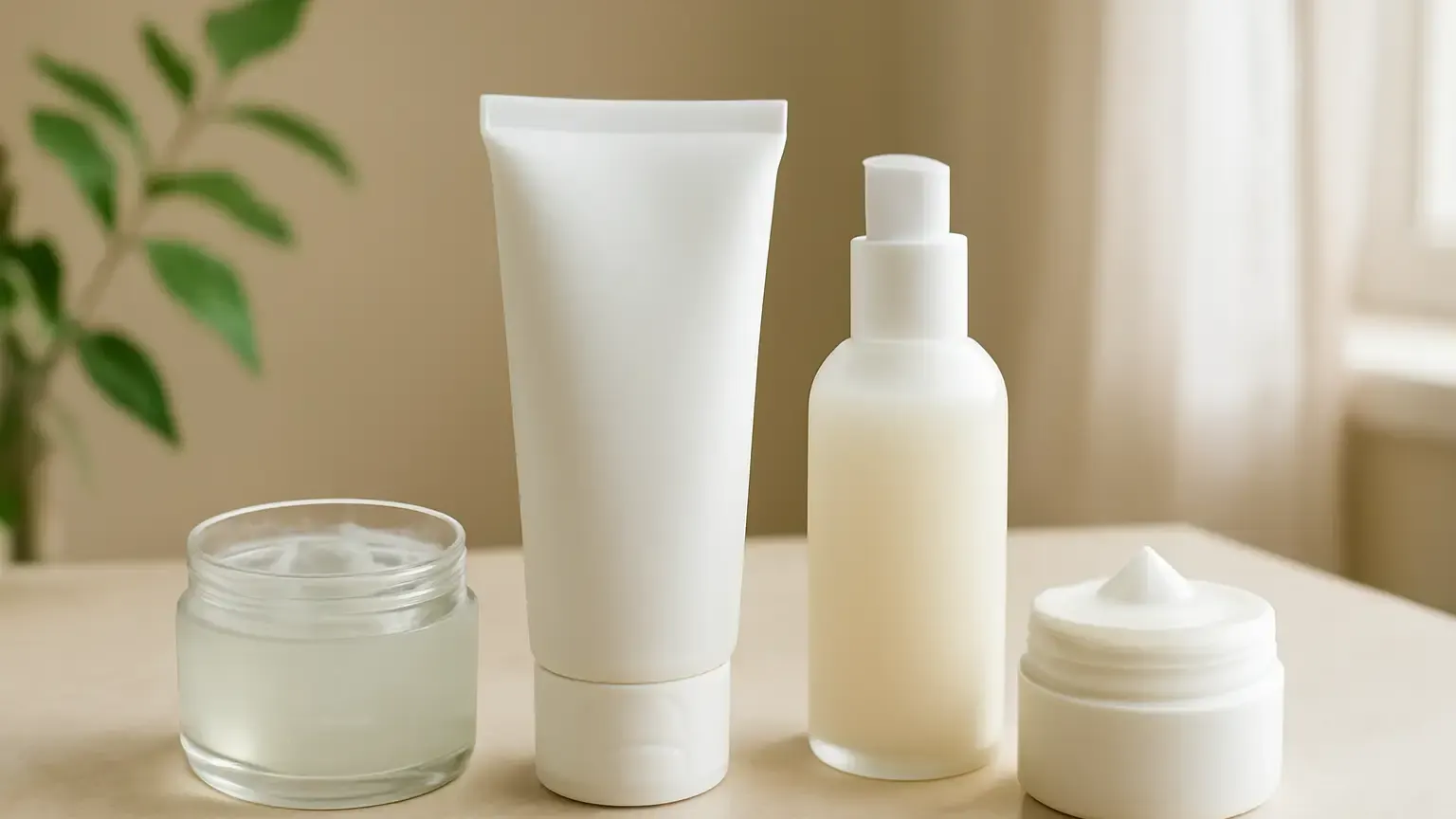
Glowing Skin and Azelaic Acid can work well together when the goal is a calmer, more even-looking complexion rather than instant brightness. This guide is for adults with uneven tone, occasional blemish marks or redness-prone skin who want a simple routine. Start with a mild cleanser, a comfortable moisturiser and daily sunscreen; introduce azelaic acid on alternate nights and increase only if your skin remains settled.
Azelaic acid is a skincare ingredient often chosen for the look of uneven tone, post-blemish marks, mild redness and rough texture. It belongs to a family of naturally occurring acids, but its role in a routine is different from a strong exfoliant. Rather than aggressively peeling the skin, it is generally used as a gradual, leave-on treatment that supports a more balanced appearance.
Results are usually subtle and progressive. The aim is not glass-like skin overnight, but a complexion that looks more even, less visibly marked and comfortable enough to maintain. Your cleanser, moisturiser and sunscreen matter just as much as the treatment step because irritation can make dullness and redness more noticeable.
Where azelaic acid fits in a skincare routine
A basic azelaic acid skincare routine has four parts: cleanse, treat, moisturise and protect. At night, apply the product after cleansing and before moisturiser, unless the instructions on your particular formula say otherwise. In the morning, sunscreen should be the final skincare step.
- Cleanse: Remove sweat, sunscreen and surface residue without leaving the skin tight.
- Apply azelaic acid: Use a thin layer on fully dry or comfortably damp skin, depending on how sensitive you are and what the label recommends.
- Moisturise: Follow with a simple formula to reduce dryness and support the skin barrier.
- Use sunscreen in the morning: UV exposure can make uneven tone and post-blemish marks look more persistent.
Some people prefer the “moisturiser sandwich” method: apply a light layer of moisturiser, use azelaic acid once it settles, then add another small amount of moisturiser. This can be useful when you are new to active ingredients or have easily reactive skin.
How to introduce azelaic acid gradually
Gradual introduction skincare is more useful than applying a treatment every day from the first use. Begin with a patch test on a small area, such as along the jawline or behind the ear, and observe the area for a day before applying the product more widely. A patch test cannot predict every reaction, but it is a sensible first check.
A simple four-week starting plan
- Week 1: Use azelaic acid once or twice at night, with at least two recovery nights between applications.
- Week 2: If there is no ongoing stinging, swelling or marked irritation, try it on alternate nights.
- Week 3: Continue alternate nights and focus on whether your skin feels comfortable the following morning.
- Week 4: Consider increasing frequency only if your skin is settled and the product directions allow it.
A little tingling may occur with some formulas, especially on sensitive skin, but persistent burning, itching, swelling or a worsening rash is a reason to stop using the product and seek professional advice. More product will not produce faster results; it can simply increase discomfort.
Choose supporting products that reduce irritation
Cleanser: keep the first step uncomplicated
A gentle cleanser for sensitive skin is usually the safest pairing. Look for a low-fragrance or fragrance-free wash with a creamy, lotion-like or low-foaming texture. It should remove daily grime and sunscreen without leaving a squeaky, stretched feeling.
Avoid using a scrub, cleansing brush or very hot water around the same time as azelaic acid. If your skin is dry or sensitive, cleansing only at night and rinsing with water in the morning may feel more comfortable, provided your morning routine still suits your skin and environment.
Moisturiser: choose comfort over weight
A lightweight moisturiser is a good starting point for combination or oily skin, while a richer cream may be more suitable for dry skin. A gel cream moisturiser can work well in hot, humid Indian weather when you want hydration without a heavy finish. For easily irritated skin, look for barrier-supportive ingredients such as ceramides, glycerin, panthenol or squalane.
Non-comedogenic skincare labels may help people who are prone to clogged pores, but they are not a guarantee that a product will suit everyone. Introduce one new product at a time so you can identify what is causing a reaction if your skin changes.
Sunscreen: make the morning step consistent
Use a broad-spectrum sunscreen every morning, ideally with at least SPF 30, and apply enough for the face and exposed neck. Choose a fluid, gel, lotion or cream texture according to your skin type and climate. A lightweight fluid can be comfortable for oily skin, whereas a moisturising cream may suit dry skin better.
Can azelaic acid be used with sunscreen? Yes, they can be part of the same morning routine when your skin tolerates the treatment. Apply azelaic acid first, allow it to settle, then use sunscreen as the final step. Reapply sunscreen when you are outdoors for extended periods, sweating or wiping your face.
What can and cannot be combined with azelaic acid?
Azelaic acid can sit within a routine containing straightforward hydrators and moisturisers. Niacinamide is commonly used with it when both products are comfortable for your skin, but combining several brightening products is not automatically better. Keep the rest of the routine predictable while you assess your tolerance.
Be more cautious with exfoliating acids such as glycolic, lactic or salicylic acid, and with retinoids or strong peeling products. These active ingredients may be useful in a broader routine, but applying them all at once can make dryness and sensitivity harder to manage. If you want to use more than one treatment, alternate nights rather than layering everything together.
Also avoid applying azelaic acid immediately after shaving, waxing or other activities that leave the skin tender. Do not use it on broken skin. If you already use prescribed treatment for a skin concern, ask your dermatologist or doctor how to position additional actives rather than changing prescribed care yourself.
Who may benefit from azelaic acid?
Azelaic acid may suit people looking for support with the appearance of uneven skin tone, lingering post-blemish marks, mild congestion or visible redness. It is often considered a relatively flexible active, but “gentle” does not mean irritation-free. Personal tolerance, product strength and the rest of your routine all matter.
It may be less suitable to start during a period of severe dryness, active peeling or a compromised skin barrier. If your face is persistently painful, swollen, intensely itchy or developing a spreading rash, pause experimentation and consult a qualified clinician. A dermatologist can also help distinguish ordinary blemish marks from concerns that need targeted care.
Set realistic expectations for a more even complexion
How long does azelaic acid take to improve uneven skin tone? There is no single timetable. Some people notice that their skin feels smoother or looks calmer after several weeks, while visible changes in marks and tone can take longer. Take a photo in similar lighting every few weeks instead of judging your skin from one day to the next.
Your outcome also depends on daily sun protection, picking or squeezing blemishes, hormonal changes, product irritation and the original cause of discolouration. Azelaic acid can support a more even-looking appearance, but it cannot guarantee a particular shade, erase marks instantly or replace professional assessment for persistent concerns.
Common mistakes to avoid
- Starting daily: Frequent use is not essential at the beginning. Build tolerance first.
- Applying too much: A thin, even layer is generally enough; excess product can feel irritating and pill under other layers.
- Skipping sunscreen: Inconsistent UV protection can undermine your effort to improve the look of uneven tone.
- Changing everything together: New cleanser, serum, moisturiser and treatment at once make reactions difficult to trace.
- Mixing too many actives: Alternate exfoliating acids and retinoids until you understand your skin’s response.
- Expecting instant glow: Healthy-looking skin is usually the result of steady, non-irritating care.
A practical routine to remember
Morning: Rinse or cleanse gently, apply moisturiser if needed, and finish with broad-spectrum sunscreen.
Azelaic acid night: Cleanse, apply a thin layer of azelaic acid, then moisturise. Use it once or twice weekly at first, progressing only when your skin remains comfortable.
Recovery night: Cleanse and moisturise without other treatment actives. This gives you a simple baseline and helps maintain skin barrier support.
The best approach to Glowing Skin and Azelaic Acid is patient and practical: use a modest amount, pair it with soothing textures, protect your skin from the sun and judge progress over several weeks rather than overnight.
Products that may help with this routine
Choose only what fits your skin, hair or personal needs. Use the links below to view current options on Amazon India.
Frequently Asked Questions
How do you use azelaic acid for glowing skin?
Cleanse gently, apply a thin layer of azelaic acid at night, moisturise and use sunscreen every morning. Begin once or twice weekly, then increase gradually if your skin stays comfortable.
What should you use with azelaic acid in a skincare routine?
Pair it with a mild cleanser, a simple moisturiser and broad-spectrum sunscreen. Hydrating ingredients such as glycerin, panthenol and ceramides are generally practical companions.
Can azelaic acid be used every day?
Some people can eventually use it daily, but it is better to begin on alternate nights or once or twice weekly. Follow the product directions and reduce frequency if irritation develops.
Which moisturiser is best with azelaic acid?
Choose a fragrance-free, comfortable moisturiser suited to your skin type. A lightweight or gel cream texture may suit oily skin, while a richer barrier-supporting cream can suit dry or sensitive skin.
Can azelaic acid be used with sunscreen?
Yes. Apply azelaic acid before sunscreen in the morning if your skin tolerates that schedule, allow the layers to settle and use sunscreen as the final step.
How long does azelaic acid take to improve uneven skin tone?
Progress varies, but visible changes usually require consistent use over several weeks or longer. Daily sunscreen and avoiding irritation are important for a more even-looking result.