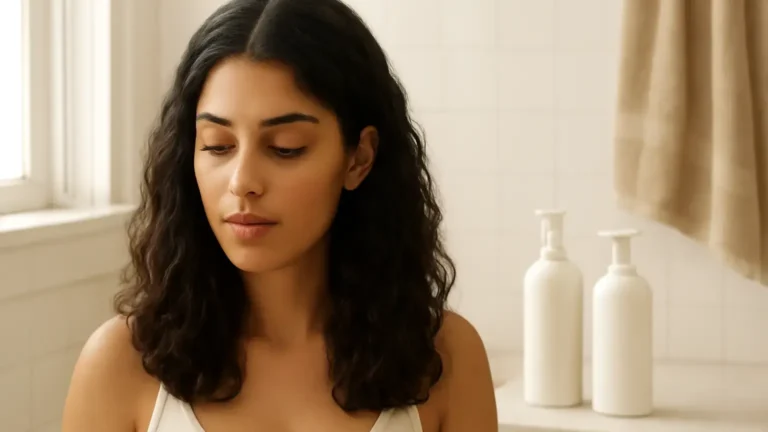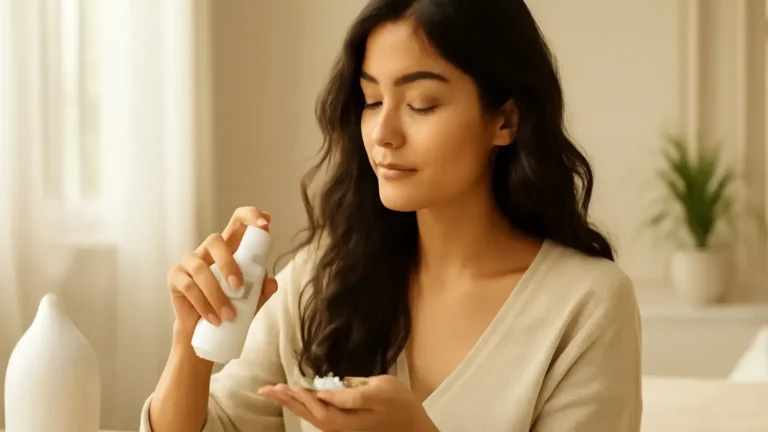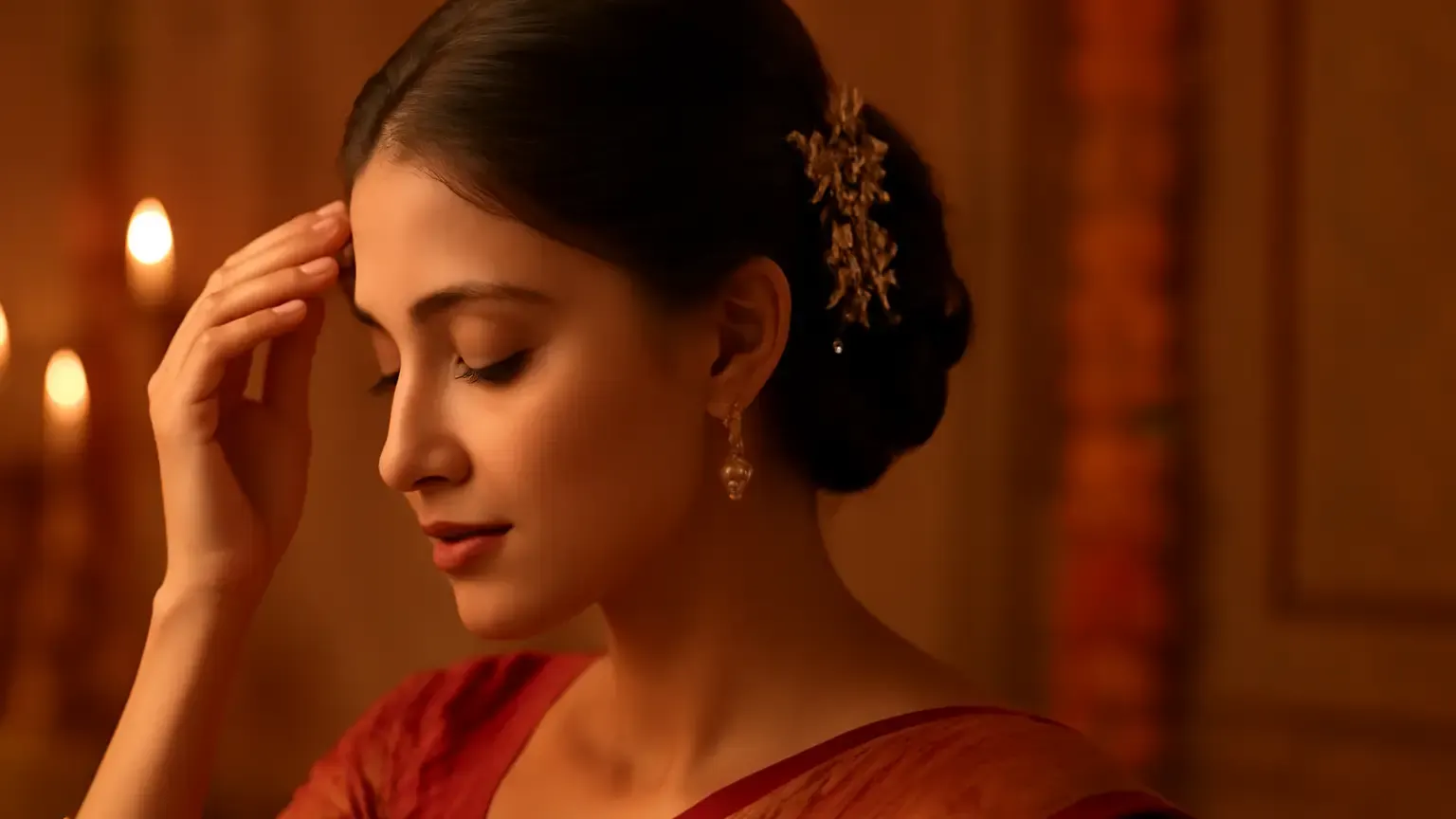
These hair care tips for festive hairstyles are for anyone wearing an updo, braid, bun or embellished style for weddings, Diwali gatherings and long celebrations. The safest approach is simple: keep sections comfortable, spread weight with padding, choose smooth accessories, secure the style without pulling, and remove it slowly before detangling. That combination helps reduce root stress, snagging and avoidable breakage while keeping your festive look polished.
Festive hairstyles can look beautiful in photographs, but an elaborate bun, braid or pinned-up style may stay on your head for several hours. Repeated pulling in one direction, tight elastics, rough clips and heavy accessories can put stress on the hairline and the hair shaft. Good styling is not only about whether a look stays in place; it is also about how comfortably it can be worn and removed.
Why festive hairstyles can stress the roots
When hair is pulled firmly for a long period, the roots and surrounding scalp experience continuous tension. This is often called traction. A single comfortable occasion does not automatically mean there is a problem, but frequent tight styling, soreness or repeated snapping around the hairline are signs to reassess your technique.
Hair is also more vulnerable to breakage when it is wet, heavily brushed, repeatedly teased or trapped under rough ornaments. The risk increases when a style combines a tight base with a heavy gajra, matha patti, hair chain or multiple metal pins. The aim is not to avoid festive styling altogether. Instead, distribute the load, reduce friction and give yourself an easy removal plan.
Start with low-tension sectioning
Sectioning decides where the pulling force goes. Before parting the hair, identify the direction in which the finished style will sit. Avoid creating a very narrow, tightly pulled section at the temples or hairline simply to make the style look sleek.
- Use wider sections: A broad, clean section generally distributes tension better than a thin strand carrying the entire weight of a braid or accessory.
- Keep the parting natural: Do not repeatedly force your hair into a sharply different part if the roots feel resistant. A soft side part or gentle centre part can be easier to wear.
- Anchor close to the base without pinching: Hold the section steady, but check that you can slide a fingertip underneath the secured area.
- Alternate direction when possible: If you style your hair often, avoid placing the pressure in exactly the same area at every event.
These low-tension hairstyles may appear less rigid than a tightly slicked style, but they can still look refined with controlled flyaways, a smooth finish and thoughtfully placed accessories.
Prepare the hair before an updo or braid
Pre-styling hair preparation should make the hair manageable without leaving it slippery or overloaded. Begin with clean, fully dry hair unless a professional stylist has a specific reason to work on damp hair. Damp strands stretch more easily and can be damaged when pulled or pinned repeatedly.
- Detangle from the ends upwards with a wide-tooth comb or a gentle detangling brush.
- Apply a small amount of a lightweight leave-in conditioner to the lengths and ends if they feel dry or rough.
- Keep oils and rich products away from the roots if they make the hair slippery; excessive slip can encourage tighter pinning.
- Use heat-protective products when blow-drying, curling or smoothing with hot tools, following the product directions.
- Do not repeatedly backcomb the same area just to create volume. Consider temporary hair padding instead.
If you are visiting a salon, explain whether the style must last through dancing, travel, humidity or a long ceremony. This helps the stylist choose a secure but flexible base rather than compensating with excessive tightness.
Use padding and accessories to spread the weight
Hair padding for updos can create height and shape while reducing the need to pull every strand tightly over a large bun or roll. A lightweight foam donut, mesh roll or soft padding is usually more comfortable than building all the volume from teased hair. It should be covered securely by the hair and positioned so it does not press into one small area of the scalp.
When choosing scalp-friendly hair accessories, look for smooth surfaces, rounded edges and a comfortable weight. Check decorative chains, combs and clips for sharp points, exposed joins or rough metal that could catch strands. Place statement pieces where the surrounding hair can support them instead of hanging a heavy ornament from a few fragile strands.
Better bobby pin placement
Hairstyle bobby pin placement matters more than simply adding more pins. Insert pins along the direction of the style and use a crossed pair when you need extra hold. Avoid pushing a pin directly into the scalp or repeatedly opening it against the same strand. If a pin catches, remove it by easing the hair away from the tip rather than pulling it straight out.
Silk scrunchies for hair or other fabric-covered elastics can be gentler than narrow rubber bands for ponytails and temporary sections. They still need to be comfortably loose and should not be wrapped so many times that the hair is compressed.
Choose a secure but flexible festive style
The best style depends on hair density, length, texture, accessory weight and how long you will wear it. A low bun or loosely anchored braid may suit someone who wants less lift at the crown. A padded bun can suit fine hair that needs shape without aggressive teasing. A half-up style may reduce the amount of hair gathered into one tight anchor.
| Style decision | What to consider |
|---|---|
| High versus low placement | A low or mid-height anchor may feel more comfortable if the crown or temples are sensitive to pulling. |
| One heavy accessory versus several light pieces | Several light pieces can distribute weight, provided each is smooth and securely supported. |
| Tight braid versus relaxed braid | A braid should hold its shape without creating pain, visible pulling or a tight ridge at the roots. |
| Teasing versus padding | Padding usually provides volume with less repeated brushing and backcombing. |
During the appointment or trial, move your head, smile, bend slightly and check the style from different angles. If the scalp feels tender before you leave, the style is already too tight. Ask for adjustment immediately rather than waiting for discomfort to intensify.
Manage the style during a long celebration
Festive updo maintenance is easier when you prevent small problems from becoming pulling or snagging. Keep a few spare smooth pins, a small fabric-covered elastic and a clean comb in your bag. If an ornament shifts, do not tighten every surrounding section. Remove or reposition the accessory and reinforce the base at a nearby, comfortable point.
Heat, sweat and humidity can make the scalp feel uncomfortable, especially during outdoor ceremonies or crowded venues. Dab moisture at the hairline rather than rubbing the area vigorously. Avoid repeatedly touching, twisting or retightening the style. If you develop increasing pain, throbbing discomfort or a strong pulling sensation, loosen the style when practical.
For people with a history of fragile or easily snapping hair, protective styling for Indian hair should focus on gentle handling, reduced friction and reasonable wear time. A festive look should not need to remain in place overnight or for several consecutive days.
Remove the hairstyle without creating new breakage
How to remove a festive hairstyle without damaging hair is mostly a matter of patience. Do not pull out a cluster of pins or unwind a braid forcefully, especially if hairspray or styling cream has made strands stiff.
- Support the bun, braid or accessory with one hand so its weight is not hanging from the roots.
- Take off large accessories first, then remove pins one at a time in the opposite order to which they were inserted.
- Open elastics gently. If an elastic is tangled or cutting into the hair, consider carefully snipping the elastic rather than ripping through the knot.
- Separate the hair with your fingers before reaching for a comb.
- Loosen product build-up with a little water or conditioner if needed; do not scrub aggressively.
For a braid, undo the end first and work upwards slowly. For a bun, release the outer pins before disturbing the centre. These steps reduce the chance that a hidden knot will be dragged through several strands.
Follow a gentle post-event hair routine
Post-hairstyle hair care should be calm and simple. Once the hair is loose, finger-detangle the ends and then work gradually towards the roots. If the lengths feel coated with product, shampoo the scalp gently with the pads of your fingers rather than the nails. Follow with conditioner on the mid-lengths and ends.
After washing, press water out with a soft towel or cotton T-shirt instead of rubbing. Let the hair dry partly before detangling again, unless your hair type is easier to manage while damp with conditioner. A small amount of leave-in conditioner can help reduce friction, but no product can undo repeated mechanical pulling. Give the hair a break from tight ponytails, high buns and heavy accessories for the next day or two.
Hair breakage prevention also includes observing patterns. If short snapped hairs appear repeatedly around one parting, or if styling causes ongoing tenderness, change the placement and reduce frequency. Persistent scalp pain, marked redness, swelling or noticeable thinning should be discussed with a dermatologist or doctor rather than managed only with cosmetic products.
Common mistakes to avoid
- Starting with a very tight base: Extra pins rarely make an uncomfortable foundation healthier.
- Hanging all the decoration from the hairline: Move weight towards a supported bun or braid structure.
- Using rough or damaged accessories: Replace clips and elastics with bent edges, exposed metal or snagging surfaces.
- Brushing through a fixed style: Detangle in sections after releasing pins and accessories.
- Sleeping in the style: Overnight pressure and friction extend the wear time unnecessarily.
- Ignoring pain because the event has just started: Comfort is a styling decision, not an afterthought.
Concise takeaway
The most reliable hair care tips for festive hairstyles are to section gently, use padding instead of excessive teasing, choose smooth lightweight accessories, place pins strategically and remove everything slowly. Secure-but-flexible styling protects comfort better than maximum tightness. If a style hurts, slips because it is overloaded or repeatedly causes snapping, adjust the technique or choose a lighter design for the next celebration.
Products that may help with this routine
Choose only what fits your skin, hair or personal needs. Use the links below to view current options on Amazon India.
Frequently Asked Questions
How can I prevent hair breakage from festive hairstyles?
Use wider, comfortable sections; avoid repeated tight pulling; choose lightweight, smooth accessories; use padding for volume; limit teasing; and remove pins and elastics slowly after the event. Give your hair a break from tight styles afterwards.
What are the best hairstyles to reduce tension on hair roots?
Low or mid-height buns, relaxed braids, half-up styles and lightly anchored padded updos can reduce concentrated tension. The best choice is one that stays secure without scalp pain or a tightly pulled hairline.
How do I remove a festive hairstyle without damaging hair?
Support the style, remove large accessories first, take out pins one at a time, open elastics gently and loosen knots with your fingers before combing. Undo braids from the ends upwards.
How should I detangle hair after a tight braid?
Release the braid slowly from the bottom, separate strands with your fingers, add a little conditioner if needed and detangle from the ends towards the roots in small sections.
Are hair accessories bad for the scalp?
Accessories are not automatically harmful, but heavy, sharp or tightly attached pieces can create pressure, snagging and friction. Choose smooth, lightweight designs and place them on a well-supported section of the hairstyle.