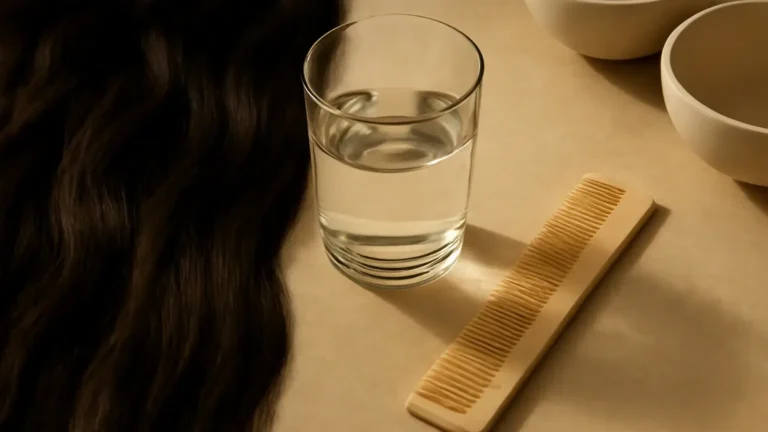
Hair Care Tips for Pre-Event Oiling are simplest when you match the timing to your texture and hairstyle. Dry, coarse or curly hair usually benefits from gentle oiling the night before a wash, while fine or oily hair may need a brief pre-wash treatment—or no oil before heat styling. This guide is for anyone preparing for a wedding, festival or celebration and wants clean, flexible, event-ready hair without heaviness, residue or styling problems.
Choose the timing before you choose the oil
The right question is not simply whether oiling is good for hair. It is whether oil will support the finish you want on the day. A sleek blowout, soft curls and a traditional braid each respond differently to leftover oil, moisture and product layering.
As a general rule, oiling works best as a pre-wash hair oiling step rather than as a last-minute styling product. It can make dry lengths feel more conditioned before cleansing, but oil left on the surface may reduce volume, make curls fall flat or interfere with heat styling. The timing also depends on how quickly your scalp becomes oily, how dense your hair is and whether you are washing it yourself or visiting a salon.
- Choose the night before if your hair is dry, coarse, curly or prone to frizz and you will wash it before styling.
- Choose a short treatment if your lengths need softness but your scalp gets oily easily or your hair is fine.
- Skip oil on the event day if you are heat styling unwashed hair, want root lift or have a professional appointment that includes cleansing.
Night-before oiling: who benefits most?
Oiling the night before can suit dry and thick hair because it gives the treatment time to sit on the lengths before the next wash. It is particularly practical for hair that feels rough after frequent washing, sun exposure, swimming or repeated festive styling. For curly or wavy hair, a small amount may also help reduce the dry, fluffy feeling that appears after cleansing.
However, overnight is not automatically better. A long application may leave a fine scalp greasy, transfer onto pillowcases or encourage excessive rubbing while sleeping. If you have a sensitive scalp, avoid vigorous massage and stop if the routine causes discomfort. Keep the focus on the mid-lengths and ends when the scalp is already oily.
A simple night-before routine
- Detangle gently with your fingers or a wide-tooth comb before applying anything.
- Warm a small amount of lightweight hair oil between your palms. The hair should look lightly coated, not wet.
- Apply mainly from the mid-lengths to the ends. Use only the residue on your fingertips near the scalp if needed.
- If you massage, use light fingertip pressure for a few minutes; do not scratch or tug.
- Protect the pillow with a towel or scarf and wash the next day with a suitable shampoo.
For very dry hair, a small amount of conditioner after shampooing can provide additional slip. Oiling does not replace cleansing, conditioning or a heat protectant.
Short pre-wash oiling for fine or oily hair
A 20- to 60-minute treatment is often a better hair oiling routine for fine hair, combination scalps and people who dislike a coated feeling. It gives the lengths a little preparation without committing to an overnight application. This approach is also useful if you have an early morning event and want to wash your hair on the same day.
Use less product than you think you need. Divide the hair into a few sections, smooth oil over the lengths and ends, then leave it while you get ready. Rinse and shampoo thoroughly, concentrating cleanser at the scalp rather than aggressively scrubbing the ends. If the hair still feels coated after one wash, a second gentle cleanse may be appropriate, but repeated harsh washing can leave the lengths dry.
For oiling for fine hair, avoid saturating the roots and avoid thick, strongly fragranced mixtures if you know your scalp is reactive. A light oil or a product labelled for pre-wash use may be easier to remove. Always follow the product directions rather than assuming that more time or more quantity will produce a better result.
When skipping oil is the better choice
If your event hairstyle involves a blow-dryer, curling iron or straightener on the same day, freshly washed and fully dried hair is usually easier to shape than oily hair. This is the key point in heat styling preparation: oil is not a substitute for a heat protectant, and adding oil immediately before hot tools can make it difficult to judge how much product is on the hair.
Skip pre-event oiling when:
- your hair is already clean, soft and manageable;
- you need volume at the roots or a light, airy finish;
- your scalp becomes greasy quickly;
- you have a salon appointment and the stylist plans to wash or prep your hair;
- you are wearing a style that depends on grip, bounce or defined curl hold.
Instead, wash according to your usual routine, dry the hair completely and use a heat protectant suitable for your styling method. Keep finishing serum or oil for the ends after styling, and use only a tiny amount. This can support hair frizz control without making the roots look wet.
Hair oiling before festive styling by texture
Dry, coarse or thick hair
Try a light-to-moderate night-before application, especially if the event is the following evening and you have time for a test wash. Concentrate on the lengths and ends, then shampoo and condition as normal. If the hair remains heavy, reduce both the quantity and contact time at the next wash.
Fine, straight or low-density hair
Choose a short pre-wash treatment or skip oil altogether. Keep the roots clean if you want an updo, blowout or bouncy ponytail. A small amount of leave-in conditioner on the ends may be more suitable than a full scalp application.
Wavy or curly hair
For oiling for curly hair, apply sparingly to the drier sections and wash with enough care to avoid leaving residue. Curly hair may look smoother after conditioning, but excess oil can reduce curl definition. Style on wet or damp hair using your familiar products rather than introducing several new products immediately before an event.
Oily or easily irritated scalp
Focus on the lengths, shorten the contact time and avoid forceful scalp massage. If oiling repeatedly causes itching, redness, flaking or discomfort, leave it out of the routine and seek advice from a dermatologist if symptoms persist or are concerning.
Build the wash and styling schedule
Hair wash timing matters as much as oiling itself. If your hair usually looks best one day after washing, schedule the wash accordingly rather than testing a new routine on the morning of the celebration. For a morning event, wash the previous evening if that matches your normal results. For an evening event, a same-day wash may work for oily or fine hair, while dry or curly hair may prefer more time for moisture and shape to settle.
A practical schedule looks like this:
- Two days before: Test the oil quantity and wash method if you are using a new product or preparing for an important function.
- Night before: Oil dry or coarse lengths lightly, then secure hair loosely and protect the pillow.
- Event morning: Use a short pre-wash treatment only if your hair tolerates same-day washing well.
- Before styling: Make sure hair is clean enough for the planned look, completely dry before hot tools and protected from heat.
- After styling: Smooth a trace of serum or oil over the ends only if needed.
For a salon appointment, ask whether the planned service requires clean, dry hair. A stylist may prefer to control the preparation products themselves, particularly for intricate braids, extensions or heat-based looks.
Common mistakes that can spoil an event hairstyle
The most common error is applying too much oil because the hair feels dry at the start. Once washed, excess oil can require more cleansing and leave the ends rough. Another mistake is oiling the scalp immediately before using a straightener or curling iron. Heat tools should be used with the manufacturer’s safety guidance and a suitable protectant, not over a heavy coating of oil.
Other avoidable problems include tying oiled hair too tightly, sleeping with wet or heavily saturated hair, trying a new oil blend before a major function and applying oil over several layers of styling product. If you have extensions, chemically treated hair or a recent salon service, follow the professional’s aftercare instructions because the ideal routine may differ.
Concise takeaway
These Hair Care Tips for Pre-Event Oiling come down to texture, wash timing and the finish you want. Use light night-before oiling for dry, thick or curly hair; choose a brief pre-wash treatment for fine or oily hair; and skip oil before same-day heat styling when you need clean roots, lift and reliable hold. Whatever you choose, test the routine before the event and keep the quantity modest.
Products that may help with this routine
Choose only what fits your skin, hair or personal needs. Use the links below to view current options on Amazon India.
Frequently Asked Questions
Should I oil my hair the night before an event?
Usually, yes, if your hair is dry, coarse, thick or curly and you will wash it before styling. Apply a small amount mainly to the lengths and ends, then shampoo the next day. Fine or oily hair may be better with a short treatment or no oil.
When should I oil my hair before heat styling?
Use oil as a pre-wash treatment the night before or 20–60 minutes before washing, not immediately before a curling iron, straightener or blowout. Style clean, fully dry hair with a suitable heat protectant.
How long should I leave oil in hair before washing?
For fine or oily hair, 20–60 minutes is often enough. Dry, thick or curly hair may tolerate a light overnight application. Use a small quantity and adjust the timing if the hair remains greasy after washing.
Is oiling good before festive hairstyle?
It can be helpful before washing when dry lengths need softness, but it is not ideal immediately before every festive hairstyle. Oily residue can reduce volume, curl hold and grip, so the planned finish should guide the decision.
Should I skip hair oil before a salon appointment?
Often, yes, especially if the salon will wash or prep your hair, or if the hairstyle needs volume and grip. Ask the stylist whether they want clean, dry hair and follow their service-specific instructions.
How can I prevent greasy hair after oiling?
Use less oil, keep it mostly on the lengths and ends, shorten the contact time and cleanse the scalp thoroughly without aggressively scrubbing the ends. Test the routine before an important event.