A high porosity hair routine works best when it adds moisture in layers and protects the hair shaft from losing it quickly. This seven-step plan is for hair that feels dry soon after washing, frizzes in humidity, tangles easily or has been coloured, bleached or heat-styled. The key decision is balance: use rich conditioning where lengths need it, but keep cleansing, oils and protein measured so your hair feels soft rather than coated or limp.
High porosity hair has cuticles that are more raised or uneven, so water and conditioning ingredients can enter quickly but also escape quickly. Porosity can be naturally higher or increase after colouring, bleaching, frequent heat styling, sun exposure and mechanical wear. It is not a medical diagnosis, and a single strand-in-water test is not a reliable way to classify your whole head.
Useful clues include hair that becomes wet quickly, dries unusually fast, absorbs products readily, develops frizzy dry hair in humid weather or feels rough and tangled at the ends. The routine below focuses on moisture retention without turning every wash into a heavy product stack.
What high porosity hair needs from a routine
The aim is not to permanently “close” the cuticle. Instead, reduce unnecessary swelling, friction and product overload while supporting a healthier-feeling surface. A good routine usually combines gentle cleansing, a moisture-rich conditioner, careful detangling, a leave-in layer and a light sealant.
Pay attention to how your hair responds. If it feels stretchy, mushy or limp, reduce heavy conditioning and review your protein moisture balance. If it feels stiff, brittle or straw-like, use less protein and add more flexible moisture. High porosity hair is not one texture: fine straight hair may need far less product than dense curls or coils.
High porosity hair routine: 7 practical steps
1. Cleanse gently, but do not leave buildup behind
Start with a gentle shampoo on the scalp, using your fingertips rather than scratching with nails. Let the lather rinse through the lengths instead of aggressively rubbing them. Clean hair accepts conditioning more evenly, while a product-coated surface can feel dry even when it is carrying too much residue.
Choose a cleanser according to your scalp and wash frequency. If you use styling creams, oils or silicone-rich products often, a clarifying shampoo for buildup can be useful occasionally. It should not automatically replace your regular shampoo or be used every wash. In hard-water areas, mineral deposits may also make hair feel dull and rough; a suitable chelating or hard-water cleanser can help when used according to its label.
2. Use a moisture-rich conditioning treatment
After rinsing shampoo, apply conditioner from the mid-lengths to the ends, where moisture loss and wear are usually greatest. For very dry or chemically processed lengths, use a deep conditioning treatment once a week or every 7–14 days. Follow the product directions rather than leaving it on indefinitely.
Ingredients such as fatty alcohols, plant oils, aloe, glycerin and conditioning agents can improve softness and slip. In very humid weather, highly humectant formulas may make some hair feel puffier; observe your own response rather than avoiding an ingredient automatically. Alternate a moisturising mask with a mild protein-containing treatment only if your hair benefits from it. Excess protein can make some hair feel rigid, while too little support may leave damaged hair weak and overly stretchy.
3. Detangle wet hair with plenty of slip
Detangling wet hair is often easier when the strands are coated in conditioner, but soaking-wet hair can also be fragile. Work in sections, begin at the ends and move towards the roots. Use fingers first, followed by a wide-tooth comb or a flexible detangling brush if that suits your texture.
Do not force a knot through the length. Add more conditioner or water, separate the section and loosen it gradually. This small habit supports hair breakage prevention because it reduces pulling at the root and snapping along porous ends. Detangle as often as your style requires, not automatically every day.
4. Layer a leave-in conditioner while hair is damp
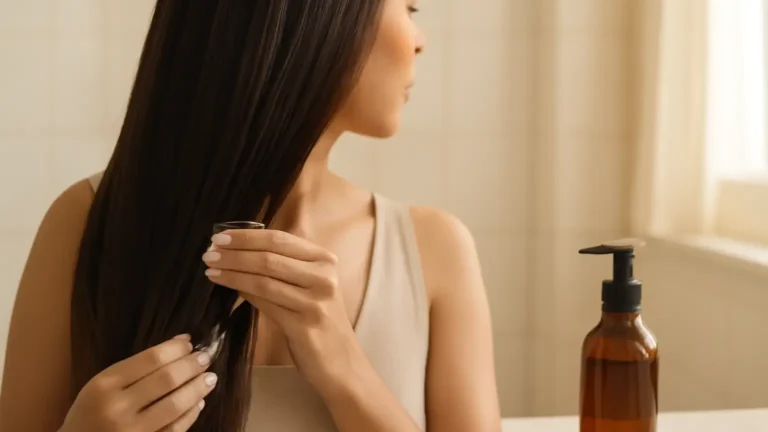
After rinsing, gently squeeze out excess water with your hands or a smooth microfibre towel. Apply a small amount of leave-in conditioner to damp lengths, concentrating on the driest areas. Damp hair helps spread the formula, so you may need less than you would on dry hair.
For fine hair, choose a spray or fluid leave-in and start with one or two pumps. For thick, curly or coily hair, a creamier leave-in may provide more slip. The right amount is the smallest quantity that improves softness and detangling without leaving a sticky film. If hair looks greasy at the roots, keep leave-in products away from the scalp.
5. Seal with a cream or lightweight oil
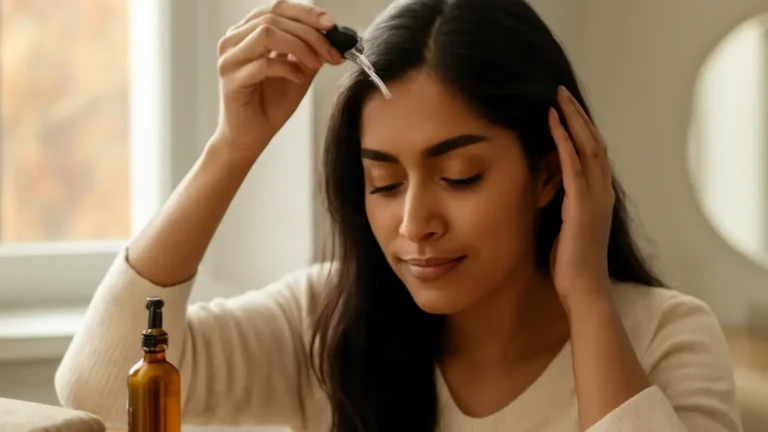
Sealing does not lock water in permanently, but a finishing layer can slow moisture loss and reduce roughness. Apply a small amount of styling cream over the leave-in, or smooth one to three drops of a lightweight hair oil over the ends once hair is mostly dry. Squalane, argan, jojoba or grapeseed-style textures may feel lighter than thick butters on fine lengths, though individual results vary.
Oil and cream do different jobs: a cream can add conditioning, hold and softness, while oil mainly improves slip and surface smoothness. Do not keep adding oil to compensate for hair that is actually dirty or under-conditioned. If your lengths become limp, stringy or difficult to wash clean, reduce the amount and reserve sealing for the ends.
6. Protect hair from heat and friction
Use heat protection for hair whenever you blow-dry, straighten or curl. A heat protectant does not make unlimited heat safe, so keep tools at a moderate temperature, avoid repeated passes and dry hair fully before using hot irons. Air-drying is not automatically better if hair remains wet for many hours and is repeatedly handled; choose the method that creates less total stress for your texture and lifestyle.
Friction can also lift the cuticle and increase tangling. Pat rather than rub with a towel, avoid tight styles that pull at fragile edges, and consider a satin bonnet for hair or satin pillowcase at night. A loose braid, pineapple or low-tension protective style may help, but do not secure wet hair tightly or leave a style in when the scalp feels uncomfortable.
7. Refresh without repeated over-washing
High porosity hair does not need to be shampooed every time it looks less defined. Between washes, mist lightly with water or use a small amount of diluted leave-in, then smooth or reshape sections. For curls and coils, scrunching with wet hands may revive shape without adding another full product layer.
Wash based on scalp oil, sweat, pollution and styling residue. In India’s hot, humid or dusty conditions, you may need more frequent cleansing than someone in a cooler climate, but frequent washing should still be paired with a gentle formula and conditioner. If the scalp feels itchy, painful, persistently flaky or unusually irritated, seek advice from a dermatologist rather than masking the symptoms with more oils or dry shampoo.
How to choose high porosity hair products
Build a small, repeatable set instead of buying every product labelled for damaged hair. A sensible starting kit includes a gentle shampoo, rinse-out conditioner, one weekly mask, a leave-in and one light finishing product. Look for products that provide slip and conditioning, then change only one item at a time so you can identify what helps.
Low pH hair products may help the hair surface feel smoother after cleansing, but “low pH” alone does not guarantee a good formula. Consider texture, fragrance tolerance, wash frequency and whether your hair is coloured or chemically treated. The best high porosity hair products are the ones that leave your hair manageable without persistent coating, heaviness or scalp discomfort.
A simple weekly schedule for Indian weather
- Wash day: Cleanse the scalp, condition the lengths, detangle in sections, then apply leave-in and a small sealing layer.
- Midweek: Refresh only the dry or frizzy areas with damp hands or a light mist. Avoid repeatedly layering oil over old product.
- Once every 7–14 days: Use a deep conditioning treatment if lengths remain dry, and adjust the frequency according to softness and weight.
- When hair feels coated: Clarify occasionally, then follow with conditioner. Do not respond to buildup by adding more moisturiser.
- When hair feels stiff or weak: Reassess protein use, heat, detangling and tight styles before buying another product.
Common mistakes that cause moisture loss
- Applying heavy oils to dry, dirty hair and expecting them to replace water-based conditioning.
- Rubbing hair vigorously with a rough towel or combing from roots to ends.
- Using a strong clarifying shampoo too often, then trying to correct the dryness with multiple masks.
- Applying rich creams near the scalp when only the ends need extra care.
- Using high heat repeatedly without protection or holding a hot tool on one section for too long.
- Following a protein-heavy schedule even when hair already feels stiff and brittle.
Concise takeaway
The most effective high porosity hair routine is a moisture-and-protection system, not a single miracle product. Clean the scalp gently, condition thoroughly, detangle with slip, layer a suitable leave-in, seal sparingly, reduce heat and friction, and refresh without washing by habit. Review the routine every few weeks according to softness, tangling, buildup and volume so your lengths stay conditioned without becoming weighed down.
Products that may help with this routine
Choose products based on your skin, hair or personal needs rather than buying every item in a routine.
- Gentle Shampoo For Dry Damaged Hair Amazon India
(paid link) See relevant options on Amazon - Deep Conditioning Hair Mask Amazon India
(paid link) See relevant options on Amazon - Leave-in Conditioner For Frizzy Hair Amazon India
(paid link) See relevant options on Amazon - Satin Bonnet For Hair Amazon India
(paid link) See relevant options on Amazon
Frequently Asked Questions
How do I care for high porosity hair?
Use gentle cleansing, a moisture-rich conditioner, careful section-by-section detangling, a damp-hair leave-in and a small amount of cream or lightweight oil. Protect the lengths from heat and friction, and clarify only when buildup is noticeable.
What is the best routine for high porosity hair in India?
Wash according to scalp sweat, pollution and product buildup, which may mean more frequent cleansing in hot or humid weather. Condition the lengths every wash, use light layers, protect hair from humidity and friction, and avoid adding oil repeatedly between washes.
How often should you wash high porosity hair?
There is no fixed number for everyone. Wash when the scalp is oily, sweaty, uncomfortable or coated with products. Use a gentle shampoo for regular washing and reserve clarifying or hard-water cleansing for occasional use when residue persists.
What products are good for high porosity hair?
Look for a gentle shampoo, a conditioner with good slip, a suitable deep conditioning treatment, a leave-in conditioner and a light cream or oil. Fine hair often needs fluid textures, while dense curls or coils may tolerate richer formulas.
How can I retain moisture in high porosity hair?
Apply conditioner and leave-in products to damp hair, seal the ends lightly, reduce rubbing and high heat, and protect hair during sleep. Limit unnecessary handling and avoid piling new products over old buildup.
Can high porosity hair use oil?
Yes, but oil is best used sparingly as a finishing layer after water-based conditioning. Start with a few drops on the ends and reduce the amount if hair becomes greasy, limp or difficult to cleanse.