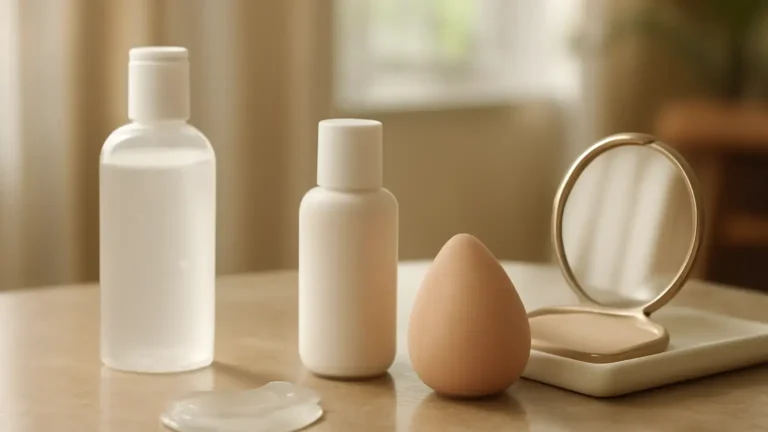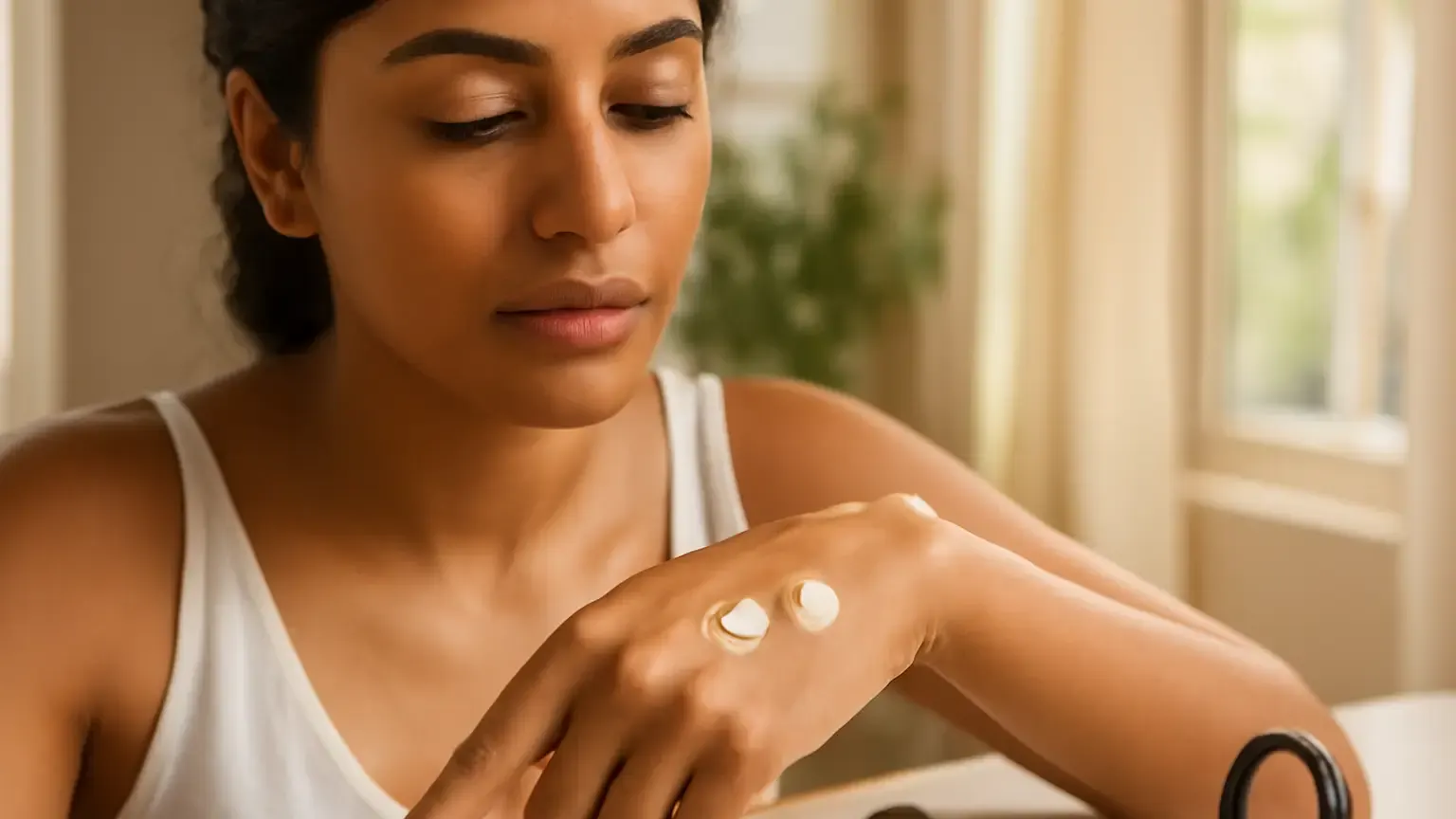
Oily Skin Sunscreen is easiest to choose when you compare finish rather than chase a promise of permanently oil-free skin. For people in India managing shine, humidity and makeup, a gel finish usually feels light, a matte finish gives stronger surface control, silicone textures can smooth the look of pores, and a dewy formula may suit drier areas. The best pick is the one you can apply generously, reapply comfortably and wear consistently.
What to compare before buying an Oily Skin Sunscreen
An effective sunscreen choice for oily skin is not defined by how dry it feels for the first hour. Look at four practical factors: protection, texture, finish and how well it behaves during the rest of your routine. A formula can reduce visible shine without stopping your skin from producing oil, and that distinction matters because over-drying may make the product uncomfortable or difficult to use consistently.
For daily outdoor exposure, look for clearly labelled broad-spectrum SPF 50 protection and a UVA rating such as PA+++ or higher, depending on the product label and your personal needs. SPF mainly communicates UVB protection, while the UVA rating helps you compare protection against longer-wave UVA exposure. No finish can compensate for applying too little sunscreen or skipping reapplication.
- Texture: Gel, lotion, fluid, cream and silicone-based sunscreen textures spread differently and leave different after-feels.
- Finish: Matte, natural, satin or dewy describes the appearance after the formula sets.
- Wear: Consider sweating, commuting, mask use, humidity and whether makeup will sit over it.
- Reapplication: A comfortable sunscreen is more useful than a very matte one that you avoid applying again.
Gel sunscreen: light comfort for humid Indian weather
A gel sunscreen is often a convenient starting point for people who dislike heaviness. It usually spreads quickly, feels light during warm weather and can work well for combination or oily areas. This makes it a popular option as a sunscreen for humid weather, particularly for morning routines that already include moisturiser and makeup.
Gel textures are not automatically matte, and they are not automatically suitable for every person with oily skin. Some set to a natural finish, while others leave a slightly shiny or tacky layer. Give the formula enough time to settle before judging it. If it feels comfortable but looks too reflective, a small amount of translucent powder on the centre of the face may provide a more practical solution than changing to a drying product.
Choose a gel texture when you value quick spreading, low weight and easy layering. It may be less suitable if your skin becomes tight around the cheeks or if you need a richer protective feel in dry, air-conditioned environments.
Matte sunscreen: stronger shine control, with trade-offs
A matte sunscreen is designed to reduce surface reflectivity after setting. It can be useful for the forehead, nose and chin, or for anyone who prefers a polished look without adding powder. Matte formulas may contain absorbent powders or film-forming ingredients that help the finish stay less shiny, but the result varies with climate, skincare underneath and the amount applied.
The main advantage is immediate cosmetic control. The main trade-off can be drag, tightness, visible dryness or pilling when several layers are rubbed together. Apply a thin, even layer of moisturiser first if your cheeks feel dry, then allow it to settle. Avoid repeatedly massaging a matte formula once it starts to set; pressing and smoothing in sections can reduce rolling.
A matte finish can be a good choice for office makeup and photographs, but do not use the finish as proof that the product is non-comedogenic or suitable for everyone. If congestion or persistent irritation concerns you, check the ingredient list, patch test where appropriate and seek professional advice for ongoing problems.
Silicone-based and natural finishes under makeup
When a silicone-based sunscreen helps
A silicone-based sunscreen often has a smooth, primer-like slip. It may make makeup application easier by creating an even-feeling surface and reducing the sensation of roughness. This texture can suit people who want sunscreen under makeup, especially when foundation tends to catch on dry patches or look uneven over a very watery formula.
However, smooth slip does not guarantee that every foundation will layer well over it. Use compatible amounts, let sunscreen set and press foundation on rather than vigorously rubbing. If products pill, simplify the morning routine, reduce rubbing and test whether the moisturiser, sunscreen or primer is responsible. A formula that layers well on bare skin may behave differently over a rich cream.
Natural or dewy finishes
A dewy sunscreen finish reflects more light and can make skin look fresh, but it may appear oily on the T-zone in hot weather. It can work well for normal-to-combination skin, for dry cheek areas or for people who prefer a luminous base. If you like the texture but not the shine, apply powder only where needed rather than covering the entire face.
“Natural finish” is usually a useful middle ground: less flat than a matte sunscreen and less reflective than a dewy formula. Because finish names are not standardised, product descriptions and user expectations should be treated as guides rather than guarantees.
How to choose a non greasy sunscreen for oily skin
Use this decision process instead of choosing only by a front-label claim:
- Match the finish to your day. Select matte for a low-shine makeup look, gel or natural for everyday comfort, and dewy for a more luminous appearance.
- Think about your climate. A lightweight sunscreen may feel more comfortable in coastal heat, while a slightly moisturising lotion may be better in dry indoor air.
- Check the protection label. Prioritise broad-spectrum SPF 50 and a clearly stated UVA rating when that level suits your routine and exposure.
- Consider makeup timing. If you apply foundation, choose a texture that settles without excessive rubbing or pilling.
- Test the whole routine. Try sunscreen over your usual moisturiser, then wait several minutes before assessing shine and makeup wear.
- Plan for reapplication. If you spend time outdoors, select a product you can reapply in a practical way, even if the finish becomes less perfect later in the day.
A non greasy sunscreen for oily skin may still leave a protective film, and that is not necessarily a flaw. Sunscreen needs to form an even layer. “Non-greasy” should mean comfortable and visually manageable for you, not completely absent from the skin.
Reapplication, sweat and makeup: making the finish work
Sunscreen reapplication becomes more important after heavy sweating, swimming, towel drying or extended outdoor exposure. A sweat-resistant sunscreen may stay in place better during activity, but it is not invulnerable. Follow the product directions and reapply after water exposure or significant rubbing.
Before reapplying over makeup, gently remove excess oil with a clean tissue or blotting paper. Do not scrub. For light makeup, press a sufficient amount of sunscreen over small sections and allow it to settle; a sponge may help distribute the layer, but it should not be used to absorb most of the product. For heavier makeup, reapplying a lotion or fluid underneath a refreshed base may give more even coverage than repeatedly rubbing sunscreen over foundation.
Powder sunscreen products and sprays can be convenient for touch-ups, but convenience should not lead to assuming that a small dusting provides the same coverage as a properly applied primary layer. Use your main sunscreen generously in the morning, then treat touch-up formats as part of a considered reapplication strategy.
Common mistakes with sunscreen for oily skin India routines
- Choosing extreme dryness: A very tight finish may feel uncomfortable and encourage skipping sunscreen or applying too little.
- Using too little because of shine: Reducing the amount changes the protection you can reasonably expect from the label.
- Layering too many products: Multiple serums, rich moisturiser, primer and sunscreen can increase pilling, particularly when each layer is rubbed.
- Ignoring the neck and ears: These areas are exposed too and are often missed when the face routine is rushed.
- Confusing a matte finish with acne care: A cosmetic finish does not diagnose or treat persistent breakouts.
- Changing products too quickly: Evaluate the complete routine in your usual weather, while remaining alert to stinging, rash or discomfort.
If you develop persistent burning, swelling, rash or worsening skin concerns, stop using the irritating cosmetic product and consult a dermatologist or doctor. People using prescribed skincare should follow their clinician’s guidance rather than changing treatment based only on a sunscreen finish.
Quick takeaway: the best finish depends on your priority
Choose gel when light comfort is the priority, matte when visible shine control matters most, silicone-based textures when makeup smoothness is the deciding factor, and a natural or dewy finish when you prefer radiance or need more comfort on drier areas. The most useful Oily Skin Sunscreen is one with suitable broad-spectrum protection that you can apply in an adequate amount, wear with your routine and reapply when exposure demands it. Finish should support consistency, not replace it.
Products that may help with this routine
Choose only what fits your skin, hair or personal needs. Use the links below to view current options on Amazon India.
Frequently Asked Questions
What is the best sunscreen for oily skin in India?
There is no single best formula for everyone. In India, a broad-spectrum SPF 50 product with a gel, natural or matte finish can be a practical choice for oily skin, provided it feels comfortable, suits your climate and layers well with your routine.
Which sunscreen finish is best for oily skin?
Matte usually offers the strongest visible shine control, while gel and natural finishes may feel more comfortable for daily wear. Choose based on your skin’s comfort, humidity, makeup use and willingness to reapply.
How to reapply sunscreen over makeup?
Blot excess oil gently, then press a suitable sunscreen over small areas instead of scrubbing. For heavier makeup, reapply after refreshing the base when practical. Touch-up powders or sprays should not automatically be assumed to replace a properly applied primary layer.
Is gel sunscreen good for oily skin?
Gel sunscreen can be good for oily skin because it often feels light and spreads quickly, especially in humid weather. Check the actual finish, since some gel formulas set natural or dewy rather than fully matte.
What SPF should oily skin use in India?
Many people choose broad-spectrum SPF 50 for regular outdoor exposure, while the right routine also depends on the amount applied, UVA labelling, time outdoors and reapplication after sweating or water exposure.