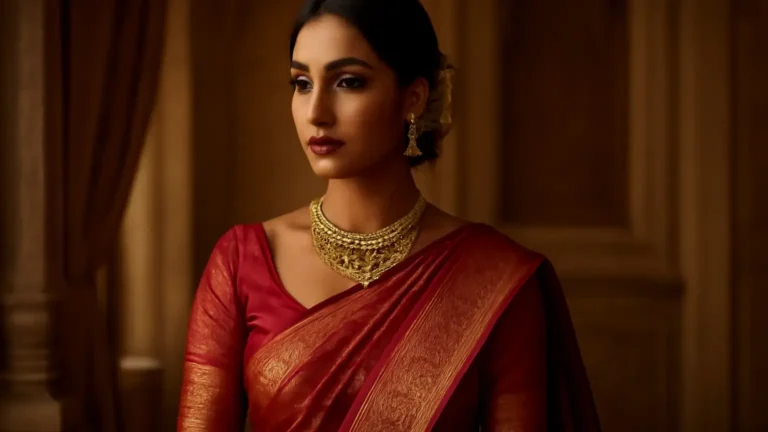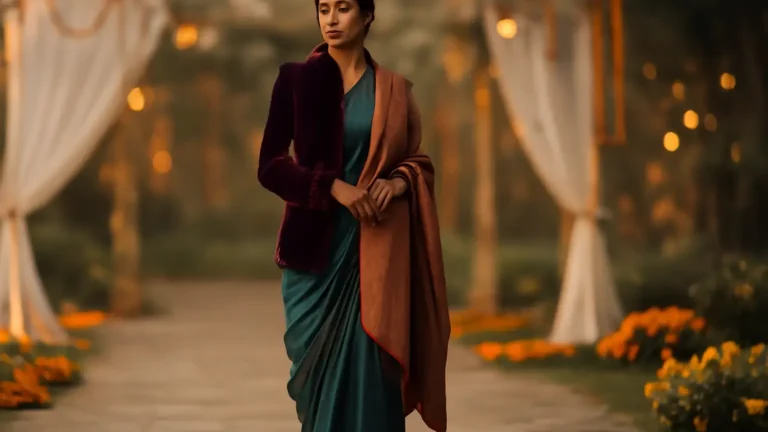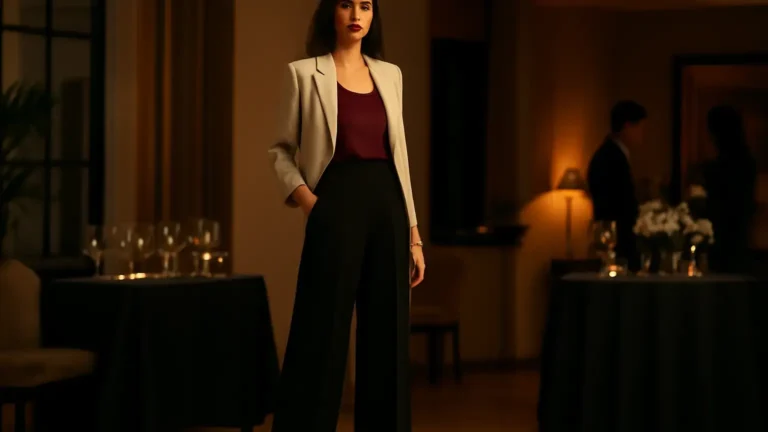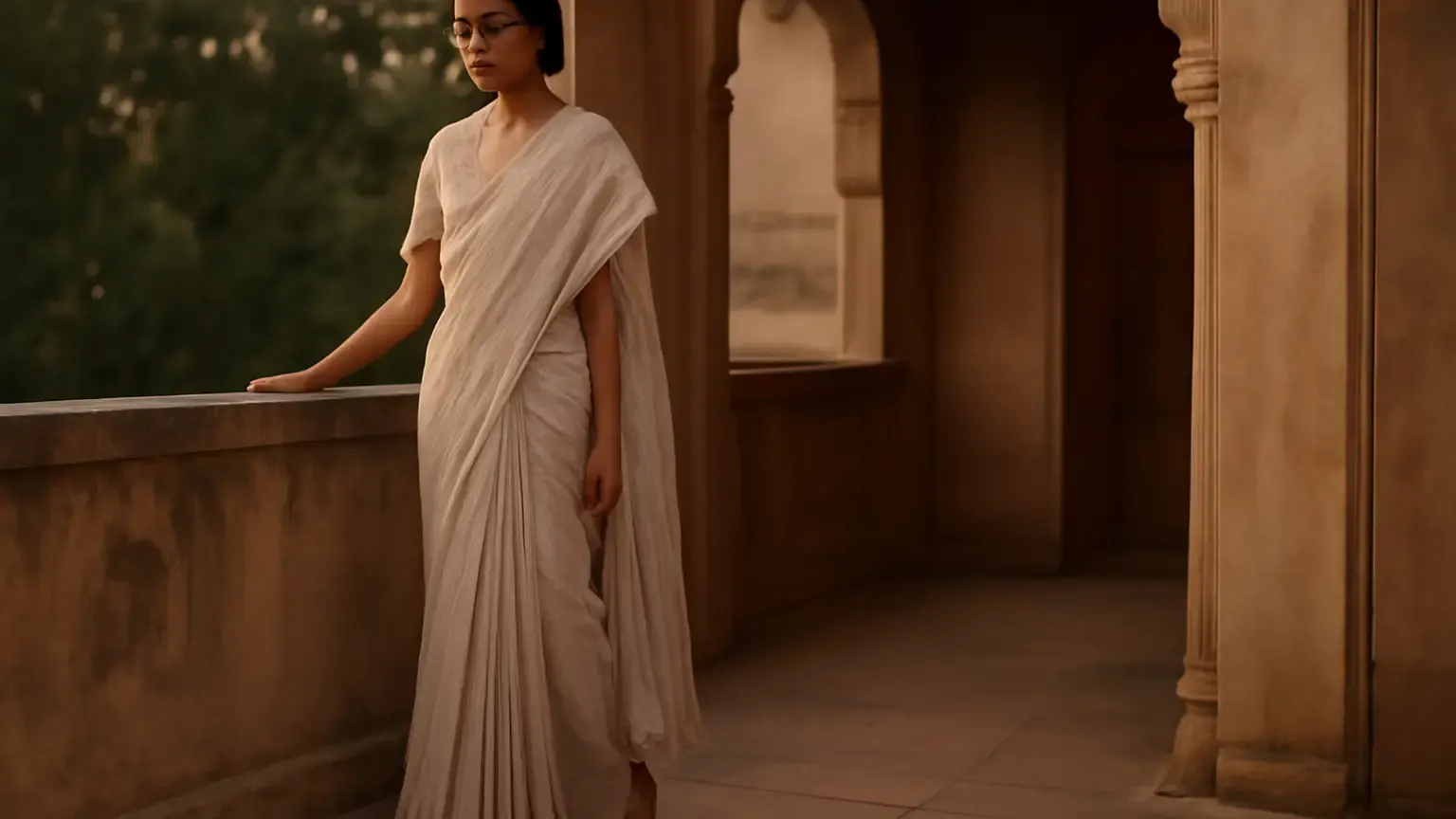
October fashion trends India are easiest to wear when you build around breathable fabrics and add one removable layer for the evening. This guide is for anyone dressing for Navratri, Diwali preparations, office events or family dinners across India’s changing October weather. Choose from six practical looks—cotton sarees, coordinated sets, kurta separates and easy western-Indian combinations—then finish with supportive festive footwear so your outfit stays polished from warm afternoons to cooler nights.
October sits between seasons in India. Afternoons can still feel warm and humid, while evenings may turn noticeably cooler in Delhi, Jaipur, Lucknow, Chandigarh and other northern cities. In Mumbai, Goa, Chennai and coastal Kerala, humidity often remains the bigger concern. The most useful approach is not heavy autumn dressing but transitional weather dressing: breathable base pieces, relaxed silhouettes and one layer that can be removed or added.
For festive plans, prioritise comfort as carefully as colour and embellishment. Natural or blended fabrics, flexible waistlines and shoes you can walk in will make a greater difference than a heavily decorated outfit. These six looks translate current October outfit ideas India into practical combinations for work, gatherings and celebrations.
1. Cotton saree with a fine, removable layer
A crisp cotton, mulmul or lightweight handloom saree is one of the most reliable forms of breathable festive wear. Pick a solid colour, a narrow contrast border or a subtle woven motif rather than dense all-over embroidery. A sleeveless or short-sleeved blouse works for a warm daytime event; for evening, keep a fine cotton, silk-cotton or linen-blend jacket nearby.
For easy cotton saree styling, use a neat front pleat, a secure petticoat or fitted underskirt and a blouse with enough room around the armhole. A small shoulder bag prevents the pallu from becoming difficult to manage. Add slim earrings and one bangle instead of multiple pieces if you want the weave and border to remain the focus.
- Best for: puja visits, daytime festive lunches and intimate family celebrations.
- Choose in humid cities: airy cotton, mulmul or cotton-linen.
- For cooler north Indian evenings: add a cropped jacket or fine shawl after sunset.
2. Tonal kurta-palto set with a statement dupatta
A coordinated kurta palazzo set creates a polished outfit without requiring complicated styling. Look for a straight or gently flared kurta with a palazzo that skims rather than clings. A tonal set in ivory, rose, teal, rust or olive looks modern, while a contrasting statement dupatta supplies the festive detail.
Keep the base relatively simple when the dupatta has zari, mirror work, block printing or a bold border. Drape it over one shoulder for a gathering, or wear it around both shoulders when travelling between venues. If your event involves sitting on the floor, choose a dupatta length that will not trail and palazzo trousers that allow comfortable movement.
This is also a strong option for day-to-night outfits. Wear the kurta with small studs and flats in the afternoon, then change to chandelier earrings, a compact potli and a deeper lip colour for dinner. The same set works across several dress codes without looking overdone.
3. Lightweight co-ord set with Indian accessories
Relaxed co-ord sets are useful when you want a contemporary silhouette but still need festive character. Try a cropped or hip-length shirt with wide-leg trousers, a tunic with straight pants or a relaxed waistcoat over a matching base. Cotton poplin, linen blends, viscose and soft chanderi-style fabrics can work well, provided the garment is not too sheer or stiff.
Bring in the Indian detail through accessories rather than adding more layers. A beaded potli, embroidered sling, jhumkas or a printed scarf can shift the outfit from casual to celebration-ready. This look suits people who find a saree restrictive or prefer a clear waist-and-trouser combination.
For a warm October afternoon, select a short-sleeved top and keep a longline overshirt in your bag. For the evening, a sleeveless waistcoat or lightweight embroidered jacket adds structure without the heat of a fully lined festive coat.
4. Kurta with separates for flexible festive dressing
Build an outfit from separates when you want more repeat wear. Pair a printed or embroidered kurta with solid cigarette pants, a flowing skirt or tailored trousers. This gives you the visual ease of a set while allowing each piece to work with clothes already in your wardrobe.
For monsoon-friendly fabrics in places where October showers are still possible, choose quick-drying cotton blends, lightweight rayon or washable synthetic blends with a matte finish. Avoid very long hems and heavily embellished fabrics that become difficult to clean or dry. A kurta with side slits is practical for walking, while a slightly cropped hem is easier to keep away from wet pavements.
Use jewellery layering selectively: combine a short chain with medium-length beads, or wear stacked bangles with small earrings. Two considered layers usually look more refined than several competing statement pieces.
5. Printed skirt, fitted top and open overshirt
A printed midi or maxi skirt paired with a fitted cotton top offers movement and a clear way to regulate temperature. Choose a small floral, geometric, ajrakh-inspired or abstract print if you want versatility. A plain top balances a lively skirt, while a printed top can work with a solid skirt in ochre, chocolate, navy or deep green.
Add an open overshirt in cotton, denim-light fabric or linen blend. It functions as a casual layer for air-conditioned venues and cooler evenings, then can be tied around the waist when the temperature rises. This combination is particularly useful for college events, informal office gatherings and festive cafés where a traditional outfit may feel too formal.
The colour palette for October can bridge summer and festival dressing: use cream, terracotta, marigold, berry, forest green, indigo and muted pink. If your wardrobe is mostly neutrals, introduce colour through the skirt, scarf or footwear rather than buying a full outfit.
6. Lightweight anarkali with practical festive footwear
A fluid anarkali looks festive while allowing air to circulate, especially when made in cotton-silk, georgette with a breathable lining or a light viscose blend. Choose a moderate flare rather than a very full skirt if you will use public transport or walk outdoors. A three-quarter sleeve can provide evening coverage without feeling heavy.
Finish with comfortable festive footwear. Low block heels, cushioned juttis, soft kolhapuris, embellished flats and supportive sandals are usually more practical than narrow high heels for long celebrations. Check that the shoe has a stable sole and does not rub at the heel; festive dressing should not depend on enduring pain.
If the anarkali is richly detailed, keep the accessories focused: one pair of earrings, a slim ring and a small bag are enough. A light stole can provide extra warmth in a heavily air-conditioned venue, but it should not be so broad that it overwhelms the flare of the garment.
How to choose an October outfit for your city and schedule
For hot and humid regions
Prioritise loose fits, breathable weaves and a cotton or linen-blend base. Keep synthetic lining to a minimum, especially around the bodice and waist. Sandals or open flats are useful, but select a pair with a secure strap if you expect to walk.
For northern cities and cooler evenings
Use a short-sleeved base with a removable overshirt, cropped jacket, fine shawl or sleeveless waistcoat. Layering over a breathable garment is more adaptable than starting with a thick outfit that becomes uncomfortable indoors.
For office-to-festive plans
Start with a restrained base—tonal trousers and kurta, a simple saree or a co-ord set—then carry one upgrade piece. Statement earrings, a festive dupatta, metallic flats or a textured bag can change the look in minutes.
A simple five-minute styling routine
- Check the forecast and venue: consider humidity, rain, air conditioning and how much walking is involved.
- Select the breathable base: cotton, mulmul, linen blend, light viscose or another fabric that does not trap unnecessary heat.
- Add one flexible layer: choose a jacket, overshirt, shawl, waistcoat or dupatta rather than several heavy pieces.
- Balance the detail: if the garment is ornate, keep the jewellery and bag simpler; if the outfit is plain, let one accessory lead.
- Test movement: sit, walk, lift your arms and check the hem before leaving home.
Common mistakes to avoid
The first mistake is dressing for an imagined autumn rather than your local weather. A thick, lined outfit may be uncomfortable in Chennai or Mumbai, while a single thin layer may not be enough in a cool northern evening. The second is choosing delicate footwear for an event that involves standing or outdoor walking. The third is combining a heavy dupatta, ornate blouse, large jewellery and embellished shoes at once; visual weight becomes distracting, and the outfit is harder to wear.
Also avoid buying a trend without considering repeat use. A cotton saree can be restyled with a shirt blouse, a kurta can work with jeans or trousers, and a co-ord can be separated into several outfits. Versatility is especially valuable when October includes multiple celebrations across different days.
Takeaway
The most wearable October fashion trends India are about adaptable fabrics, relaxed movement and thoughtful finishing rather than heavy seasonal layers. Start with a breathable base, add one removable piece, choose footwear for the actual schedule and use one accessory to create the festive focus. That formula keeps each of these six looks comfortable through warm afternoons and cooler evenings.
Products that may help with this routine
Choose only what fits your skin, hair or personal needs. Use the links below to view current options on Amazon India.
Frequently Asked Questions
What to wear in October in India?
Choose breathable cotton, mulmul, linen blends or light viscose, then add one removable layer such as a fine jacket, overshirt, shawl or dupatta. Adjust the combination for your city’s humidity and evening temperature.
What are the best October outfit ideas India for festivals?
Good options include a cotton saree with a fine jacket, a kurta-palazzo set with a statement dupatta, a lightweight anarkali, or a coordinated set styled with Indian jewellery and a festive bag.
How do you style light layers for Indian autumn?
Begin with a breathable short-sleeved or sleeveless base and add one open overshirt, cropped jacket, sleeveless waistcoat or fine shawl. Keep the layer easy to remove indoors or during warmer afternoons.
What is comfortable festive footwear for October?
Low block heels, cushioned juttis, soft kolhapuris, embellished flats and secure sandals can work well. Choose a stable sole, enough toe room and a pair that will not rub during walking or standing.
What are autumn fashion trends India shoppers can wear in warm weather?
The most practical autumn fashion trends India shoppers can adapt include tonal co-ord sets, breathable separates, light layering, earthy or jewel-toned colours and festive accessories used with simple base pieces.
How can I dress for cooler evenings in India without overheating?
Wear a light, breathable base and carry a removable cotton-linen jacket, fine shawl, overshirt or waistcoat. This gives evening coverage while allowing you to adapt when the venue or weather becomes warmer.