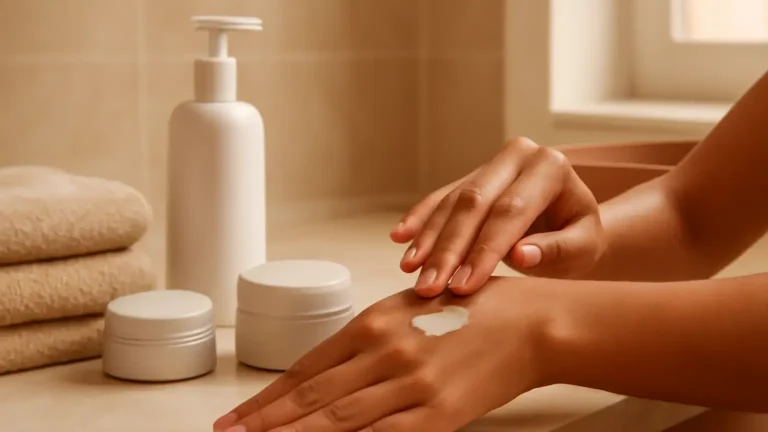
A dry skin face mask can make pre-event skin feel softer and look fresher, but the best formula depends on how tight, flaky or makeup-sensitive your skin feels. This guide is for people preparing for a wedding, party or important day who want hydration without last-minute irritation. Choose a cream mask for richness, a gel mask for light comfort, a sleeping mask for overnight support or a wash-off mask for a controlled, low-residue finish.
How to choose a dry skin face mask before an event
Start with your skin’s immediate need rather than the most impressive ingredient list. Skin that feels tight after cleansing usually benefits from a richer cream texture. Skin that feels warm, mildly dehydrated or uncomfortable in humid weather may prefer a cooling gel. If the event is the next morning, an overnight sleeping formula can help reduce the feeling of surface dryness, provided it is familiar to your skin. A wash-off mask is useful when you want hydration but do not want a noticeable layer beneath makeup.
For a simple decision, use this guide:
- Choose a cream mask for persistent tightness, rough patches or a dry, air-conditioned room.
- Choose a gel mask for lightweight hydration, warm weather or skin that dislikes heavy finishes.
- Choose a sleeping mask when you have an evening to prepare and already know the formula suits you.
- Choose a wash-off mask when you want a shorter treatment and easier control over residue before makeup.
A mask supports a routine; it does not replace a gentle cleanser, moisturiser or daytime sunscreen. The most reliable pre-event skincare routine is usually the one that keeps products familiar and the skin barrier comfortable.
1. Cream mask: the richer option for tight, rough skin
A cream mask is generally the most comforting choice when dryness is linked to a weakened-feeling skin barrier, frequent cleansing or indoor air conditioning. Its emollient base can make rough skin feel smoother, while occlusive ingredients help reduce moisture loss from the surface. Look for a formula containing ingredients such as ceramides, squalane, shea butter or fatty alcohols if your skin tolerates them.
Use a thin, even layer on clean, slightly damp skin. Leave it on for the time stated on the label, then gently remove any excess with lukewarm water or a soft damp cloth if it is designed as a rinse-off product. If the mask is leave-on, press the remaining product into the skin instead of rubbing. Follow with a small amount of moisturiser if your skin still feels tight.
Best for: flaky-looking areas, winter dryness, long days in air conditioning and people who prefer a cushiony finish.
Watch out for: very rich layers under foundation, heavily fragranced formulas and masks containing several unfamiliar botanical extracts. A rich texture is not automatically better for every face.
2. Gel mask: lightweight hydration for warm or humid days
A gel mask can be a good hydrating face mask for dry skin when you want comfort without oiliness. Many gel textures rely on humectants such as hyaluronic acid and glycerin, which attract water to the outer layers of skin. They work best when followed by a moisturiser that helps hold that water in, especially in a dry room.
Apply the gel in a moderate layer rather than coating the face heavily. If the product is meant to be washed off, rinse it at the recommended time. If it is a leave-on gel, allow it to settle fully before applying sunscreen or makeup. A sticky finish can cause pilling when multiple layers are added, so keep the rest of the routine simple.
Best for: humid Indian weather, skin that feels thirsty but dislikes heavy creams, and daytime preparation several hours before makeup.
Watch out for: applying a humectant-rich product to completely dry skin and leaving it without a moisturising layer. Also avoid assuming that a cooling sensation means better hydration; menthol or strong fragrance may feel fresh but can be uncomfortable for sensitive skin.
3. Sleeping mask: overnight support, not a last-minute experiment
A sleeping mask is usually a leave-on final step designed to sit over skincare overnight. It may contain humectants, emollients and light occlusives to support dry skin hydration while you sleep. This can be convenient before an early-morning event, but the formula should ideally be tested several nights in advance.
In the evening, cleanse gently, apply any familiar hydrating serum or toner if you use one, and finish with a thin layer of sleeping mask. Do not apply a thick coat simply because the skin feels dry; excess product can transfer to bedding or feel uncomfortable. The next morning, cleanse according to your normal routine rather than scrubbing away every trace.
Best for: overnight preparation, dry indoor environments and people who already know their skin tolerates leave-on products.
Watch out for: trying a new sleeping mask for the first time on the night before an event. If you are wondering, “can I use a sleeping mask before makeup?”, the answer is yes when the product is familiar, fully settled and not leaving a slippery film. Otherwise, choose a simpler routine.
4. Wash-off mask: a controlled option before makeup
A wash-off mask offers a defined treatment window, which makes it practical when you want to remove any remaining product before applying makeup. For dry skin, select a creamy, moisturising wash-off formula rather than a clay-heavy or strongly exfoliating one. Ingredients such as glycerin, ceramides and plant oils may provide comfort, while a fragrance-free skincare formula can be easier to tolerate if your skin is reactive.
Apply the mask to clean skin without scrubbing. Keep it on only for the stated duration; allowing it to dry hard can leave dry skin feeling tighter. Rinse with lukewarm water, pat gently and apply moisturiser while the skin is still slightly damp. Leave enough time for the face to settle before primer or foundation.
Best for: a same-day routine, people who dislike residue and anyone who wants to evaluate the skin before makeup.
Watch out for: peel-off masks, gritty scrubs and strong acid combinations immediately before an event. These can increase the chance of visible redness, stinging or patchiness.
Ingredients that make a mask more useful for dry skin
Humectants: add water-focused hydration
Glycerin, hyaluronic acid, panthenol and beta-glucan are common humectants. They can make skin feel more supple by attracting water to the surface. In a dry climate or air-conditioned room, seal them with a moisturiser rather than using a watery mask alone.
Emollients and ceramides: improve surface comfort
Emollients help soften rough-feeling areas, while ceramides are lipids used in many products designed for barrier support. Squalane, fatty alcohols and selected plant oils may also provide a smoother feel. The ideal choice depends on personal tolerance and the texture you can comfortably wear.
Occlusives: reduce moisture loss
Petrolatum, dimethicone and certain waxes or oils can form a protective layer. They may be especially useful at night, although some people find them too heavy beneath makeup. Read the product directions because not every mask is intended to be left on.
How to use a face mask for dry skin safely before an event
- Plan ahead. Use a new product several days before the event, not for the first time on the day itself.
- Patch test first. Apply a small amount to an inconspicuous area, such as the jawline or behind the ear, and observe for irritation according to the product’s directions.
- Cleanse gently. Remove sunscreen and makeup without hot water, brushes or vigorous rubbing.
- Use a moderate layer. More product does not always mean more hydration and can interfere with makeup.
- Respect the timing. If you are asking how long to leave a hydrating face mask on dry skin, follow the label rather than extending the treatment.
- Finish simply. Apply moisturiser after a rinse-off mask, then sunscreen if it is daytime. Avoid adding several new serums.
For an event the same day, apply the mask at least one to two hours before makeup so the skin can settle. Remove excess shine with gentle pressing, not repeated cleansing.
Common mistakes to avoid before a special occasion
- Using a strong exfoliating mask: smoother-looking skin is not worth risking stinging or redness immediately before photographs.
- Layering several masks: combining a gel, cream and exfoliating product makes it difficult to identify what caused discomfort.
- Skipping moisturiser after a gel: humectants often need a comfortable finishing layer, particularly in dry weather.
- Applying a heavy mask directly under makeup: this can contribute to slipping, pilling or an uneven base.
- Ignoring fragrance: if your skin often reacts to scented products, choose a fragrance-free option and complete patch testing.
Choosing a face mask for dry skin in India
Climate and setting should influence the decision. In hot, humid coastal weather, a gel or light wash-off mask may feel more comfortable. In northern winter, dry interiors or rooms with constant air conditioning, a cream or sleeping formula may better suit surface tightness. If you are travelling, consider the water quality, climate change and how much time you have before makeup.
Packaging and directions matter too. Choose a product with clear usage instructions, a sealed container and an ingredient list you can review. A simple, familiar formula is often more useful than a heavily marketed mask with many active ingredients. If dryness is persistent, painful, intensely itchy, cracked, or accompanied by swelling or a spreading rash, seek advice from a dermatologist rather than relying on cosmetic masks.
Quick takeaway
The best dry skin face mask is the one that matches your texture preference, timing and tolerance. Pick a cream mask for richer comfort, a gel for lightweight hydration, a sleeping mask for familiar overnight support or a wash-off mask for controlled same-day use. Patch test new products, avoid aggressive experiments before an event and keep the rest of your routine calm.
Products that may help with this routine
Choose only what fits your skin, hair or personal needs. Use the links below to view current options on Amazon India.
Frequently Asked Questions
What is the best dry skin face mask before an event?
A cream mask is often best for tight or rough skin, while a gel mask suits lightweight hydration. Choose a familiar formula and avoid testing a new product immediately before the event.
How do you use a face mask for dry skin?
Cleanse gently, apply the recommended amount to slightly damp skin, follow the label’s timing, rinse only if directed and finish with moisturiser. Patch test unfamiliar products first.
Can I use a sleeping mask before makeup?
Yes, if it is a familiar product, used the night before and fully absorbed by morning. Avoid trying a new sleeping mask on the night before an important event.
Is a cream or gel mask better for dry skin?
A cream mask is usually better for tight, rough or very dry-feeling skin. A gel mask may be more comfortable in humid weather or for people who dislike rich, occlusive textures.
How long should I leave a hydrating face mask on dry skin?
Use the timing printed on the product. Leaving a mask on longer does not guarantee better hydration and may increase tightness or irritation, especially if it dries on the skin.
What should I look for in a face mask for dry skin in India?
Consider the local climate, indoor air conditioning and the finish you need under makeup. Look for familiar moisturising ingredients such as glycerin, ceramides or emollients, and patch test first.