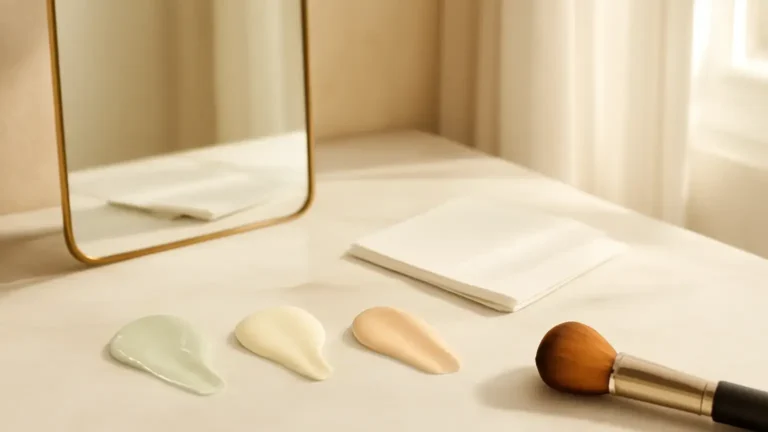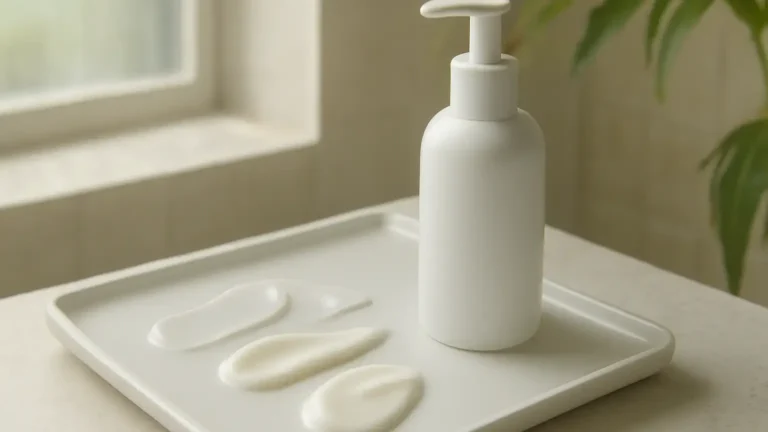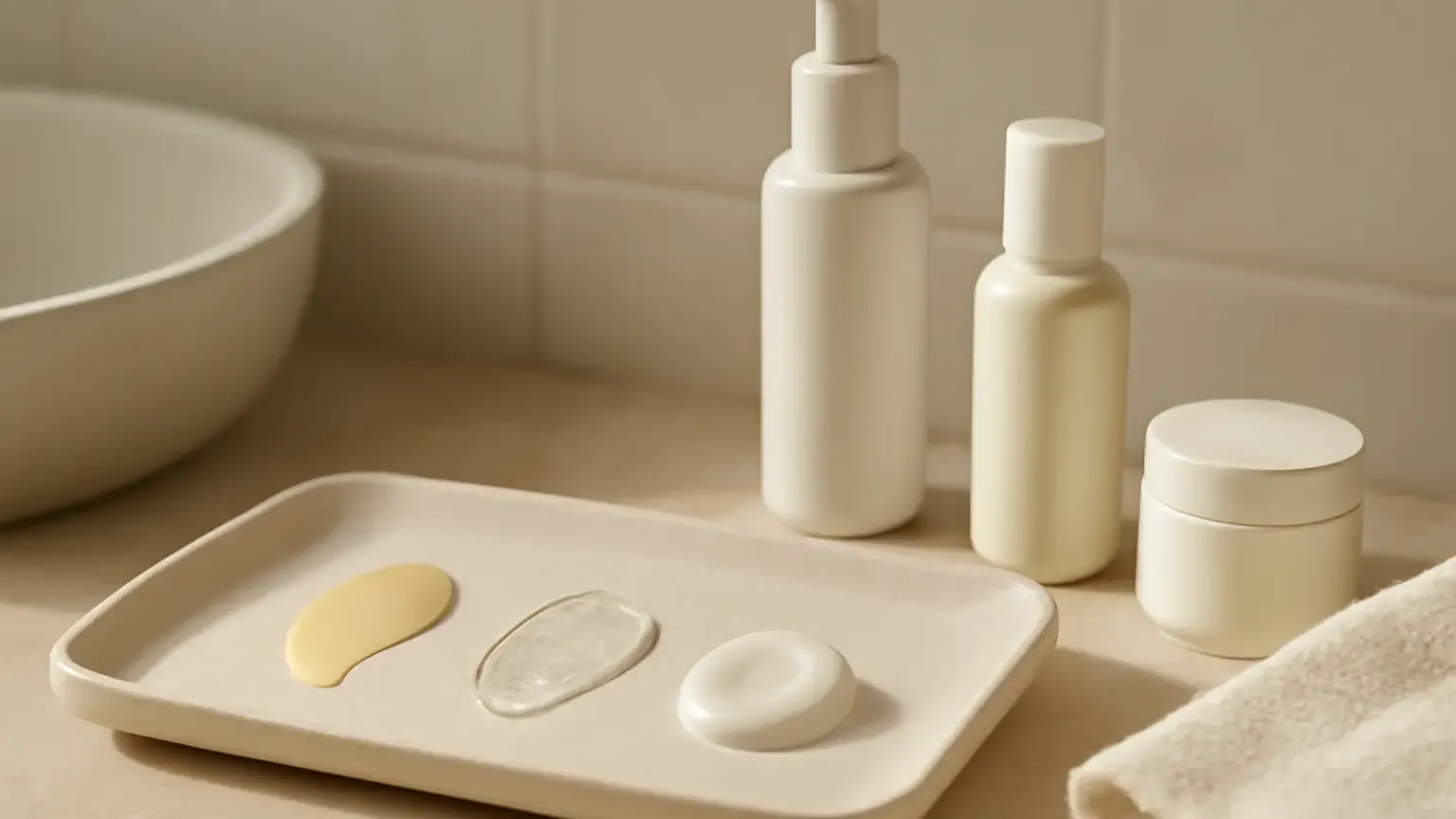
The best acne prone skin sunscreen is the one that feels comfortable enough to reapply, not simply the one with the driest finish. For oily, combination or breakout-prone skin in India, choose a fluid for invisible layering, a gel for a fresh low-shine feel, or a lightweight cream when your barrier feels tight. This guide compares shine, pilling, makeup compatibility and humid-weather comfort so you can choose a finish you will actually use generously every day.
Sun protection matters even in an acne-focused routine, but the texture can determine whether you apply enough and reapply later. A sunscreen that feels greasy, pills over moisturiser or leaves a noticeable cast may be technically suitable yet practically abandoned. Finish is therefore a useful buying filter alongside SPF, broad-spectrum coverage and skin tolerance.
What makes a good acne prone skin sunscreen?
A good option should provide broad-spectrum SPF protection, spread evenly without excessive rubbing and sit comfortably on your skin. “Non-comedogenic” can be a helpful label, but it is not a universal guarantee that a product will suit every person. Pores, formulas and skin responses vary, so use the claim as one clue rather than the entire decision.
Look for a finish that matches your routine. An oil-free sunscreen can be appealing if you dislike heaviness, while a water-based sunscreen often suits people who prefer a lighter, quick-set layer. Neither label automatically makes a formula better; the complete texture, filters, emollients and your own tolerance matter.
- For shine control: consider a matte sunscreen or a low-residue gel.
- For easy layering: choose a fluid that spreads in thin, even passes.
- For dryness or barrier discomfort: a lightweight cream may be more comfortable than a very mattifying formula.
- For outdoor exposure: prioritise reliable broad-spectrum SPF and reapplication, not only the cosmetic finish.
Fluid sunscreen: the most versatile everyday finish
Fluid sunscreens are usually thin and spread quickly across the face. They can work well for combination skin, people who wear sunscreen under makeup and anyone who dislikes a thick layer. A fluid may also be a practical choice for sunscreen for oily skin when it sets without a slick after-feel.
Where fluid formulas work well
- They can be distributed in light layers across the forehead, cheeks and nose.
- They often sit neatly under concealer when given a few minutes to settle.
- They may feel less occlusive in hot, humid weather than a dense cream.
The caveat is technique. Very runny formulas can move before you have covered the face evenly, and some can sting sensitive eyes. Apply in sections, avoid vigorous rubbing and allow your skincare underneath to settle. If the fluid rolls into small flakes, the problem may be incompatible layers, too much product underneath or insufficient drying time rather than the sunscreen alone.
Gel sunscreen: fresh, light and often shine-conscious
A gel sunscreen is commonly chosen by people who want a fresh, lightweight feel. It can suit oily or combination skin, especially in warm Indian weather, and may be comfortable for daytime routines with minimal moisturiser. The answer to “is gel sunscreen better for oily acne prone skin?” is not always yes: it is better only when the finish remains comfortable, protective and non-irritating for you.
Some gels dry to a soft matte finish; others remain slightly dewy. Check how the product behaves after ten to fifteen minutes rather than judging it immediately. A formula that feels weightless at first may become sticky under sweat, while an aggressively matte product may leave tightness that encourages over-layering or makes flaky areas more visible.
Choose a gel when
- Your main concern is a heavy or greasy feel.
- You use a simple morning routine and want fewer rich layers.
- You prefer a low-shine base for everyday errands or office wear.
Choose another finish if your skin is peeling, uncomfortable or easily irritated by a strongly mattifying texture. A lightweight sunscreen is not automatically moisturising enough for every skin type.
Lightweight cream: better when comfort comes first
A lightweight cream sunscreen has more cushion than a gel or fluid without necessarily feeling thick. It can be useful for normal-to-combination skin, dehydrated oily skin or anyone whose barrier feels tight after cleansing. When comparing a lightweight cream or fluid sunscreen for acne prone skin, ask whether your face needs slip and comfort or a faster, drier set.
Cream textures can layer nicely over a modest amount of moisturiser, but too many emollient products may create shine. If you use a cream sunscreen, you may be able to simplify the morning routine by skipping moisturiser on oilier areas. Do not deliberately leave dry areas unprotected or under-moisturised just to achieve a matte look.
Compare the three finishes before you buy
| Finish | Feel and shine | Layering and pilling | Often suits |
|---|---|---|---|
| Fluid | Thin; low to moderate shine | Usually easy in small layers, but needs settling time | Combination skin, makeup users, everyday wear |
| Gel | Fresh; low shine to soft matte | Can pill if rubbed over tacky layers | Oily skin, humid climates, minimal routines |
| Lightweight cream | Cushioned; natural to dewy | Often comfortable, though rich layers may roll | Normal, dehydrated or easily tight skin |
This is a starting framework, not a ranking. A well-formulated gel may suit one person while a fluid works better for another. If you are searching for the best sunscreen for acne prone skin in India, include heat, humidity, commuting, air-conditioning and your makeup habits in the decision.
How to prevent sunscreen pilling and patchiness
- Keep the morning base simple. Use a gentle cleanser if needed, a suitable moisturiser and sunscreen. Multiple silicone-rich, film-forming or tacky layers can compete on the skin.
- Use enough sunscreen. Apply an even face-and-neck amount according to the product directions. Do not spread a tiny quantity into an invisible film and assume you have full protection.
- Apply in sections. Dot the formula over one area, smooth it gently, then move on. This is particularly helpful with runny fluids.
- Wait before makeup. Give the sunscreen time to settle before pressing foundation or concealer over it.
- Press rather than repeatedly rub. During touch-ups, pat thin layers where practical. Repeated friction can disturb the base and irritate active breakouts.
For reapplication over makeup, a practical approach is to use a clean cushion, sponge or fingertips to press a suitable sunscreen layer onto exposed areas, then touch up makeup if necessary. Sprays and powders may be convenient, but do not assume a light mist or dust automatically equals the full protective amount.
How to choose sunscreen for acne prone skin India routines
Indian climate and lifestyle can change what feels wearable. In hot, humid conditions, gel or fluid textures may reduce the temptation to skip sunscreen because of sweat and shine. In dry indoor air or cooler months, a lightweight cream can prevent a tight finish. For long outdoor days, water and sweat resistance may matter, but reapply as directed and remove the product thoroughly at night.
Check the label for SPF and broad-spectrum or UVA/UVB protection. A high SPF does not mean you can use less, stay out indefinitely or ignore hats and shade. If white cast is a concern, especially with some mineral filter formulas, test the finish along the jaw in daylight. If fragrance, alcohol or a particular filter causes discomfort, choose a simpler alternative rather than forcing the product into your routine.
Common mistakes with non comedogenic sunscreen for acne prone skin
- Choosing “matte” over comfort: excessive dryness can make the routine unpleasant and encourage skipping applications.
- Changing several products at once: it becomes difficult to identify what caused congestion or irritation.
- Applying sunscreen only to visible spots: exposed skin needs an even protective layer; acne-prone areas are not exempt.
- Over-cleansing at night: remove sunscreen thoroughly with a method your skin tolerates, but avoid harsh scrubbing.
- Assuming every breakout is caused by sunscreen: timing, sweat, makeup, hair products and other skincare can also contribute.
Patch-test new products when possible and introduce one change at a time. Stop using a product if you develop significant burning, swelling, hives or worsening irritation. Persistent, painful or concerning breakouts deserve advice from a qualified dermatologist; do not stop prescribed treatment without speaking with the prescriber.
Our practical finish-first verdict
Choose a fluid if you want the most adaptable layer for commuting, makeup and combination skin. Choose a gel if shine, heat and a fresh feel are your biggest obstacles. Choose a lightweight cream if comfort, dryness or barrier support determines whether you apply enough. The winning acne prone skin sunscreen is the one that offers dependable protection, suits your routine and makes reapplication realistic.
Takeaway: start with finish, then check broad-spectrum SPF, tolerance, layering behaviour and your real climate. A comfortable formula used consistently is more useful than an idealised texture left unopened.
Products that may help with this routine
Choose only what fits your skin, hair or personal needs. Use the links below to view current options on Amazon India.
Frequently Asked Questions
What is the best sunscreen for acne prone skin in India?
There is no single best formula for everyone. A fluid or gel often feels easier in hot, humid conditions, while a lightweight cream may suit skin that feels tight. Choose broad-spectrum protection, a comfortable non-comedogenic option where possible, and a finish you can apply generously and reapply.
Is gel sunscreen better for oily acne prone skin?
Gel sunscreen can be a good choice when you prefer a fresh, low-shine feel, but it is not automatically better. Check whether it stays comfortable, does not pill with your routine and does not cause irritation or tightness.
Which sunscreen finish is best for acne prone skin?
Fluid is usually the most versatile, gel often feels lightest for oily skin, and lightweight cream is more comfortable when skin feels dry or tight. The best finish is the one you will use in the correct amount every day.
How do I reapply sunscreen over makeup without pilling?
Let the original sunscreen set, then press a compatible sunscreen onto exposed areas in thin layers rather than rubbing repeatedly. Simplifying the skincare underneath and allowing each layer to settle can reduce pilling.
Can sunscreen clog pores on acne prone skin?
Any product may feel unsuitable for an individual, even when labelled non-comedogenic. Introduce it gradually, patch-test where practical, avoid changing several products at once and seek professional advice for persistent or severe breakouts.
Should I use a lightweight cream or fluid sunscreen for acne prone skin?
Use a fluid when you want fast spreading and easy makeup layering. Choose a lightweight cream when your skin feels tight or dehydrated and needs more cushion. Either can work if it remains comfortable and protective.