The best acne prone skin sunscreen is the one you can apply generously and reapply without feeling greasy, heavy or bumpy. This comparison is for people in India managing shine, humidity, makeup and frequent outdoor exposure—not for treating acne. Choose gel for a cooler matte feel, fluid for easy layering, mineral for a more cushiony sensitive-skin option, or tinted sunscreen when tone-evening helps you reapply. The practical winner is the finish you will comfortably use every day.
Start with the finish, not the acne label
Sunscreen protects skin from ultraviolet exposure; it is not an acne treatment. “Non-comedogenic” can be a useful product description, but it is not a guarantee that every formula will suit every person. Your ideal choice depends on texture, climate, how much you apply, whether you wear makeup and how easily you can reapply.
For acne-prone skin, the most wearable sunscreen is usually lightweight enough for a full face-and-neck application, comfortable around active blemishes and compatible with the rest of your routine. A formula that feels too oily may encourage under-application. One that dries too quickly may pill when layered. Finish is therefore a practical decision factor, not merely a cosmetic preference.
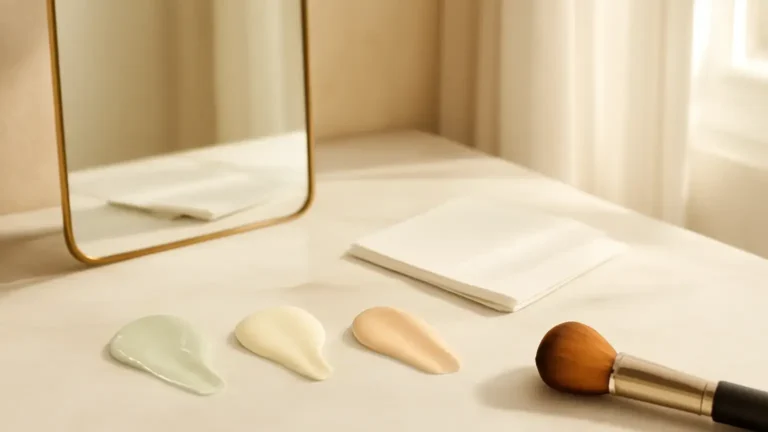
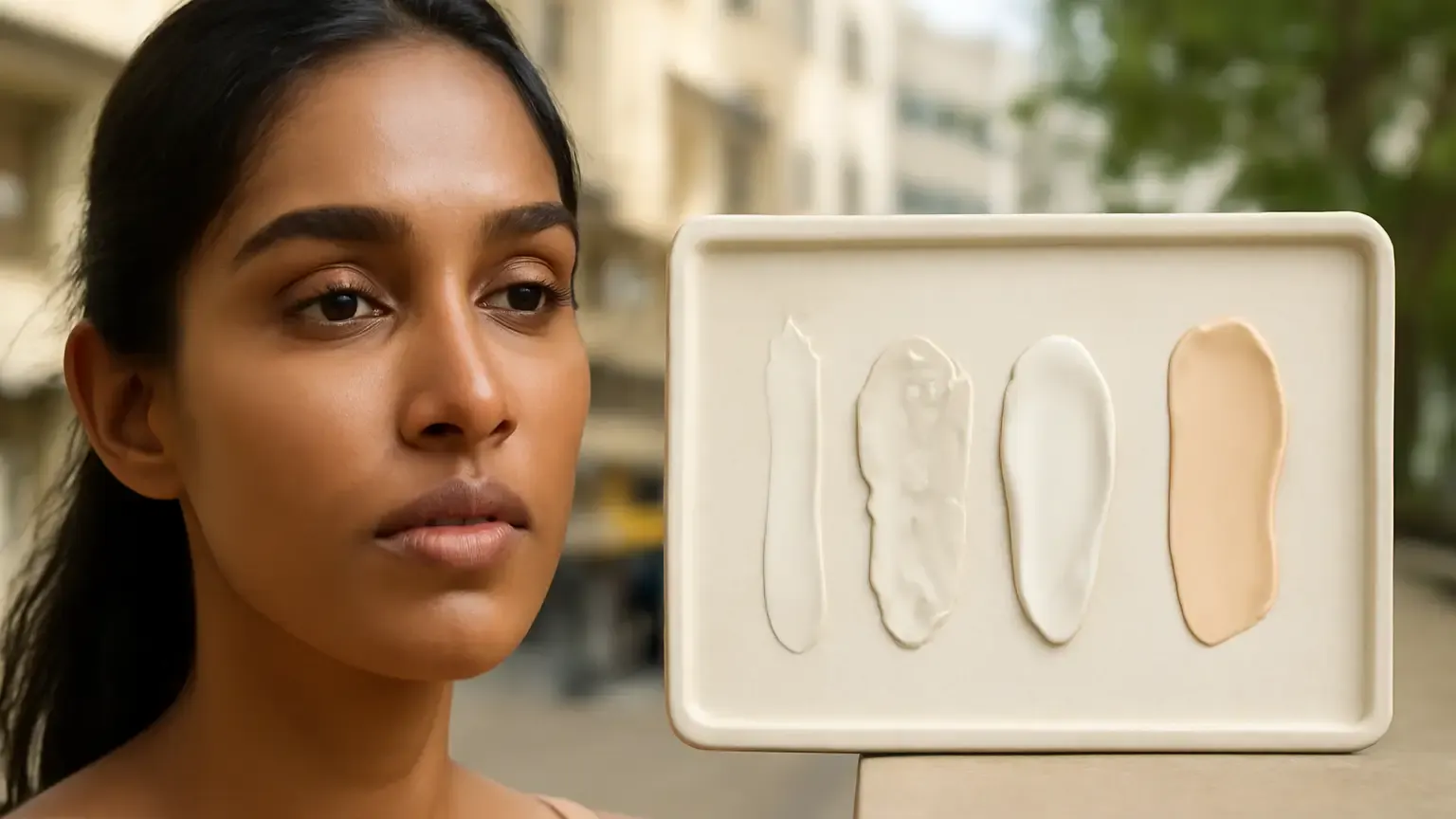
Quick comparison: four sunscreen finishes
| Finish | What it feels like | Best for | Watch-outs |
|---|---|---|---|
| Fluid | Thin, spreadable and often low-weight | Layering, normal-to-oily skin and everyday city use | Can look shiny or separate if shaken poorly or over-layered |
| Gel | Cool, quick-spreading and often fresh | Oily skin, humid weather and people who dislike creaminess | May feel tight or sting around a stressed skin barrier |
| Mineral | More cushioning, sometimes creamy or powdery | Sensitive-skin routines and those preferring zinc oxide-based formulas | Possible cast, drag or dryness depending on the formula and skin tone |
| Tinted | Sun protection with a skin-tone veil | Reducing visible cast and simplifying light makeup | Shade range, transfer and reapplication over existing makeup can vary |
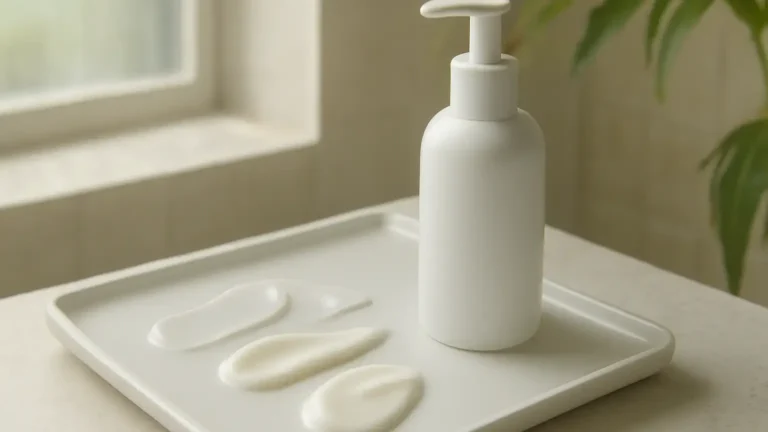
Fluid sunscreen: the easiest layer for many routines
A fluid sunscreen has a thin consistency that spreads quickly across the face. It can be a strong choice when you use a hydrating serum, moisturiser or makeup underneath and do not want several thick layers. Shake directions matter because some fluid formulas can separate in the bottle.
Look for a finish that becomes comfortable after a few minutes rather than judging it immediately. A fluid may initially look dewy, then settle to a natural sheen. If you have combination skin, apply your usual moisturiser more lightly on the forehead and nose, while keeping enough comfort on drier areas.
Who should choose a fluid?
- People who want a lightweight sunscreen for humid weather without a strongly powdery feel.
- Anyone layering sunscreen under makeup or facial hair.
- Those who prefer to build coverage in two controlled passes rather than rub in one heavy layer.
Gel sunscreen: fresh and useful for oily skin
Gel sunscreen for oily skin is popular because the texture often feels cooler and less occlusive than a rich cream. It may leave a matte sunscreen finish, a natural finish or a slightly tacky film, so the word “gel” alone does not predict the final look. Check the product’s finish description and allow it to set before adding makeup.
A gel can be comfortable in hot, humid conditions, but comfort is still personal. If your skin feels tight, itchy or unusually dry after application, the formula may not be the right match, particularly when your cleanser or other products are already drying. Do not compensate by applying less sunscreen.
How to make a gel formula sit better
- Use a thin, fully absorbed moisturiser only where needed.
- Apply sunscreen to dry or lightly damp—not wet—skin according to the label.
- Spread in sections and press gently rather than repeatedly rubbing as it sets.
- Give it a few minutes before concealer or foundation to reduce sunscreen pilling prevention problems.
Mineral sunscreen: a considered option for sensitive routines
Mineral sunscreen commonly uses zinc oxide, sometimes with other mineral UV filters. It can feel more substantial than a fluid or gel and may offer a reassuringly cushioned finish for people who find lightweight formulas uncomfortable. Mineral sunscreen for sensitive skin is not automatically irritation-free, however; the complete formula, rubbing, fragrance and your own sensitivity all matter.
The main cosmetic concern is a pale or grey cast, especially with higher mineral-filter levels and deeper skin tones. A well-dispersed formula or a tinted version may reduce this effect. Mineral products can also emphasise dry patches, so avoid applying them over visibly flaky skincare layers.
If a sunscreen repeatedly causes burning, swelling or a persistent rash, stop using that product and seek advice from a qualified dermatologist or doctor. Persistent or severe breakouts also deserve professional guidance rather than repeated product switching.
Tinted sunscreen: when tone-evening improves consistency
Tinted sunscreen for Indian skin can make daily protection more visually comfortable by adding a veil of pigment. Some tinted formulas contain iron oxides, which are colour pigments; the amount and shade are not the same as a universal foundation match. Test the tint in daylight along the jawline, and remember that one shade may look different after the formula sets.
Tint can be especially useful when a white cast would otherwise make you skip sunscreen. It may replace light base makeup, but it should not be treated as an exact substitute for your usual complexion product unless the coverage and shade suit you. For a natural look, apply the sunscreen evenly first, then add concealer only where needed.
How the finishes behave with sweat, water and makeup
A sweat resistant sunscreen can remain more comfortable during commuting, walking or outdoor work, but “sweat resistant” does not mean permanent protection. Water resistant sunscreen claims are time-limited and depend on the product label. Reapply after heavy sweating, swimming, towelling or extended outdoor exposure, following the stated instructions.
Gel and fluid textures often feel less heavy during hot weather, while mineral and tinted products may be more noticeable when layered. That does not make one category universally better. If you sweat heavily, prioritise a formula with a clearly stated water-resistance claim, a finish you can tolerate and a practical reapplication plan.
For sunscreen under makeup, let the sunscreen form an even film before applying base products. Too many silicone-heavy layers, vigorous rubbing or applying wet skincare underneath can increase pilling. A thin moisturiser, sunscreen, setting time and then makeup is usually simpler than stacking multiple primers.
Reapplication without making skin feel overloaded
For outdoor use, reapplication is as important as the first application. How much sunscreen should you apply to your face? A commonly used practical guide is approximately two finger lengths for the face and neck together, although the exact amount depends on the product and its instructions. Apply enough to create the tested level of protection, rather than stretching a small amount across a large area.
A simple reapplication routine
- Blot excess sweat or oil gently; do not scrub the skin.
- If makeup is present, press away surface oil with a clean tissue or blotting paper.
- Use a compatible fluid, gel or tinted formula and apply in sections with light pressing.
- For bare skin, spread a fresh, even layer. Over makeup, accept that some touch-up may be needed for an even film.
- Reapply more often after sweating, swimming, towelling or prolonged sun exposure.
Powder SPF products may be convenient for shine control, but do not assume a quick brush-over provides the same amount as a properly applied sunscreen layer. They are better considered a touch-up aid than the only protection for a long outdoor day.
How to choose a sunscreen for acne prone skin India routines
- For oily skin and humid commutes: start with a gel or thin fluid, especially if a matte sunscreen finish helps you apply enough.
- For combination skin: choose a fluid or natural-finish gel and adjust moisturiser underneath by area.
- For sensitive-feeling skin: consider a fragrance free sunscreen and compare mineral formulas with comfortable, non-dragging textures.
- For makeup users: prioritise sunscreen under makeup performance, quick setting and low pilling over an excessively dry finish.
- For visible cast concerns: compare a tinted formula in daylight, rather than assuming every tinted sunscreen suits every Indian skin tone.
- For frequent outdoor exposure: choose a labelled sweat resistant sunscreen or water resistant sunscreen and plan reapplication before you leave.
Common mistakes that make a good formula feel unsuitable
- Applying too little because the finish feels rich, then judging the product on inadequate protection.
- Rubbing continuously after the sunscreen has started setting, which can create rolling or flakes.
- Using a strong exfoliating or drying routine underneath and blaming the sunscreen for all resulting discomfort.
- Testing only on the hand, where texture and shade may behave differently from the face.
- Choosing “matte” at all costs and ending up with tightness that makes consistent use difficult.
- Assuming non-comedogenic labelling removes the need to observe how your own skin responds.
Concise takeaway
Choose gel when you want a fresh, low-grease feel; fluid when layering and easy spreading matter; mineral when a cushioned sensitive-skin routine suits you; and tinted when colour helps you avoid a visible cast or simplify makeup. The best acne prone skin sunscreen is the one you can apply in an adequate amount, wear comfortably and reapply for the exposure you actually get.
Products that may help with this routine
Choose only what fits your skin, hair or personal needs. Use the links below to view current options on Amazon India.
Frequently Asked Questions
Which sunscreen finish is best for acne prone skin?
There is no single best finish for everyone. Gel usually suits people who prefer a fresh, less greasy feel; fluid suits easy layering; mineral can suit sensitive-feeling routines; and tinted can reduce visible cast. Choose the finish that lets you apply enough and reapply comfortably.
What is the best sunscreen for acne prone skin in humid weather?
A lightweight gel or fluid is often the most comfortable starting point in humid weather, especially for oily or combination skin. Check the complete formula, allow it to set and choose a labelled sweat-resistant option when you spend time outdoors.
How do I reapply sunscreen over makeup without pilling?
Blot sweat and excess oil first, then press a compatible sunscreen over the skin in small sections rather than rubbing repeatedly. Allow the original layer to set, and expect to touch up makeup if an even film is difficult to maintain.
Is tinted sunscreen suitable for acne prone skin?
Tinted sunscreen can be suitable if its texture feels comfortable and the shade blends well. Tint does not make a product an acne treatment, so assess the full formula, avoid applying over irritated skin and stop using it if persistent discomfort occurs.
Is gel or fluid sunscreen better for oily acne prone skin?
Gel may feel fresher and less creamy, while fluid may spread more easily and layer better under makeup. Compare the set finish, moisturiser compatibility and reapplication comfort instead of choosing by texture name alone.
How much sunscreen should I apply to my face?
Use enough to provide the product’s tested protection; a commonly used practical guide is about two finger lengths for the face and neck together. Follow the product label and reapply after sweating, swimming, towelling or extended exposure.