An oily skin moisturiser should hydrate without leaving a heavy film, but the best texture depends on your climate, routine and finish preference. Gel suits humid mornings and shine-prone skin; lotion offers more balanced comfort; fluid works well when you want fast absorption and easy layering. This guide is for anyone in India comparing textures, especially people who wear sunscreen or makeup, and it helps you choose the option that feels comfortable without skipping essential barrier support.
Oily skin still needs moisturiser. When the surface feels tight or dehydrated, applying a harsh, drying routine can make skincare uncomfortable and may encourage more frequent oiliness for some people. The useful question is not whether to moisturise, but which texture gives enough hydration for your skin without excess shine, pilling or heaviness.
Gel, lotion or fluid: what is the difference?
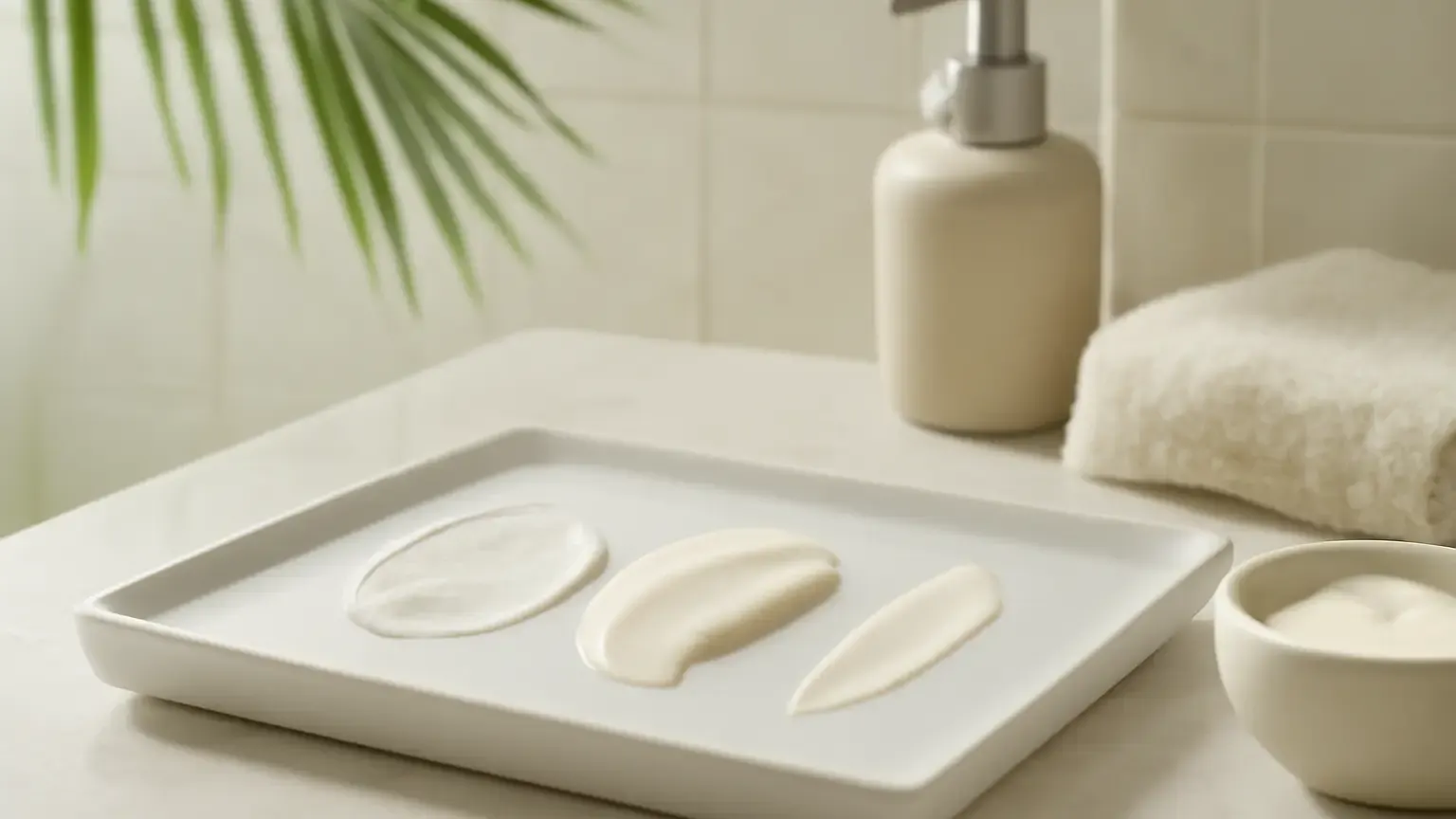
These names describe texture rather than a universal performance category. Two products labelled “gel” can feel completely different depending on their humectants, emollients, silicones and film-formers. Use the following as a practical starting point rather than a rigid rule.
| Texture | Finish and feel | Usually suits | Watch for |
|---|---|---|---|
| Gel | Cool, light and quick-absorbing; often low-shine | Humid weather, oily or combination skin, morning use | May feel insufficient in dry air or after strong active products |
| Lotion | Fluid cream with moderate softness and comfort | Normal-oily skin, changing seasons, balanced routines | Some formulas can feel rich if they contain heavier emollients |
| Fluid | Thin, spreadable and usually easy to layer | People who dislike a sticky finish, sunscreen or makeup users | Very watery formulas may need careful application to avoid overuse |
When a gel moisturiser for oily skin makes sense
A gel moisturiser is often the easiest choice for hot, humid parts of India or for skin that becomes shiny soon after cleansing. Its light slip can provide comfortable hydration without the waxy feel some richer creams leave behind. It can also be convenient for a simple morning skincare routine for oily skin: cleanse, apply a small amount of gel, allow it to settle, then use sunscreen.
Look for hydration from ingredients such as glycerin, panthenol or hyaluronic acid, while remembering that a gel can still contain ingredients that do not suit every person. A fragrance-free option may be preferable if your skin is easily irritated. If your face feels tight within an hour, flakes around the nose or becomes uncomfortable after cleansing, the lightest gel may not be enough on its own.
When lotion is the better everyday compromise
A lotion usually sits between a gel and a cream. It can be a useful option when you want skin hydration without greasiness but need more softness than a very lightweight gel provides. This makes it practical for combination skin, air-conditioned offices, cooler months and routines that include potentially drying steps.
A well-formulated lotion can include barrier-supporting ingredients such as ceramides, fatty acids or cholesterol alongside humectants. The exact ingredient list matters more than the label. If you are seeking an oil-free moisturiser, check the product description and full ingredient list rather than assuming every lotion contains oil. “Oil-free” also does not automatically mean non-irritating or suitable for everyone.
Why a fluid may work under sunscreen and makeup
A fluid moisturiser has a thin, spreadable consistency and is often chosen for quick layering. It can be especially useful if you dislike waiting between skincare steps or if a thick moisturiser causes sunscreen to roll into small flakes. For the best lightweight moisturiser for oily skin under sunscreen, prioritise fast settling, an even film and compatibility with your sunscreen rather than choosing solely by the word “fluid”.
A fluid may also be a good makeup-friendly moisturiser when it leaves a smooth, non-slippery surface. Apply a thin layer to slightly damp, not dripping-wet, skin and give it a short settling period. If your sunscreen is already moisturising, you may need less moisturiser underneath. Using too much of either product is a common cause of pilling.
Choose by Indian climate, finish and routine
For hot and humid weather
Start with a gel or very light fluid. A moisturiser for humid weather should feel comfortable after application and should not leave a thick layer that mixes unpleasantly with sweat. A water-based moisturiser can be a useful direction, but “water-based” does not guarantee a matte finish; inspect the whole formula and your skin’s response.
For dry indoor air or cooler months
Consider a lotion, or use a slightly more cushioning fluid if your skin feels tight. You do not need to switch to a heavy cream automatically. Applying a modest amount to damp skin can improve comfort while keeping the finish manageable.
For a matte appearance
A mattifying moisturiser may reduce visible shine, but the effect can vary and may not last through a warm day. It should not leave your skin painfully tight. If the formula feels drying, use less often or choose a balanced lotion instead. Shine control and hydration are not opposites, but they require a formula your skin can tolerate consistently.
How to choose an oily skin moisturiser step by step
- Assess how your skin feels after cleansing. If it feels comfortable but becomes shiny quickly, begin with a gel or fluid. If it feels tight, choose more cushioning hydration.
- Check your climate and schedule. Humidity, commuting, exercise and air-conditioning can all change which texture feels best.
- Read the full ingredient list. Look for humectants and, if needed, barrier-supporting ingredients. If you are concerned about breakouts, a non-comedogenic moisturiser label may be a helpful filter, but it is not a guarantee for individual skin.
- Consider the next step. Test the product with your sunscreen and makeup. A moisturiser that feels perfect alone may pill when layered.
- Patch test and introduce gradually. Apply a small amount to a limited area first, particularly when the formula contains fragrance, exfoliating ingredients or other unfamiliar components.
Can oily and acne-prone skin use lotion or fluid?
Yes. Oily skin is not automatically incompatible with lotion or fluid textures. Someone seeking an acne-prone skin moisturiser should focus on a simple, comfortable formula and avoid assuming that a very dry finish is safer. Skin that becomes irritated can be harder to keep comfortable under sunscreen.
For how to choose moisturiser for oily acne-prone skin, begin with a small amount of a straightforward product, introduce only one new item at a time and observe your skin over several days. If you experience persistent, painful or worsening breakouts, marked redness, swelling or irritation, consult a dermatologist rather than trying to solve the problem by repeatedly changing products. Do not stop prescribed treatment without medical advice.
Common mistakes that make moisturiser feel wrong
- Skipping moisturiser after over-cleansing: A squeaky-clean feeling is not proof that skin is balanced.
- Using too much: Start with a small, even layer. You can add a little more to drier areas.
- Choosing only by “matte” claims: A dry, tight finish may be uncomfortable and difficult to layer.
- Ignoring sunscreen compatibility: Rub, wait briefly and observe whether the two products pill together.
- Changing several products at once: This makes it difficult to identify what caused irritation or congestion.
The simple decision
Choose a gel if your priority is a cool, light feel in humid weather. Choose a lotion if you want a dependable middle ground with more comfort. Choose a fluid if quick absorption and layering under sunscreen or makeup matter most. In every case, apply enough for comfort, allow the product to settle and judge the finish after your complete routine—not from the moisturiser alone.
The best oily skin moisturiser is therefore the one you can use consistently: hydrating enough to support your skin barrier, light enough for your climate and compatible with the sunscreen you wear every day.</n
Products that may help with this routine
Choose only what fits your skin, hair or personal needs. Use the links below to view current options on Amazon India.
Frequently Asked Questions
Which moisturiser is best for oily skin in India?
A lightweight gel or fluid is often comfortable in hot, humid weather, while a lotion may suit combination skin, cooler months or air-conditioned environments. Choose based on your finish preference, skin comfort and how the product layers with sunscreen.
Is gel or lotion better for oily skin?
Gel is usually lighter and may feel better for very oily skin or humid mornings. Lotion provides more cushioning and may suit skin that feels tight or dehydrated. Neither texture is universally better; the formula and your routine matter.
What is the best lightweight moisturiser for oily skin under sunscreen?
Look for a thin gel or fluid that settles evenly, does not feel greasy and does not pill with your sunscreen. Apply a small amount, let it settle briefly and avoid layering excessive product.
Can oily skin use a fluid moisturiser?
Yes. A fluid can be a useful choice for oily skin because it spreads easily and often layers well under sunscreen or makeup. Check the full formula and stop using it if it causes persistent irritation or congestion.
How do I choose a moisturiser for oily, acne-prone skin?
Start with a simple, lightweight formula, consider a non-comedogenic moisturiser label as one screening factor and introduce one product at a time. Patch testing can help identify irritation, but persistent or painful breakouts need professional advice.
Do moisturisers make oily skin worse?
They do not necessarily make oily skin worse. A heavy or poorly tolerated formula may feel greasy or contribute to congestion, but skipping moisturiser can leave skin uncomfortable. Use a small amount of a suitable gel, lotion or fluid.