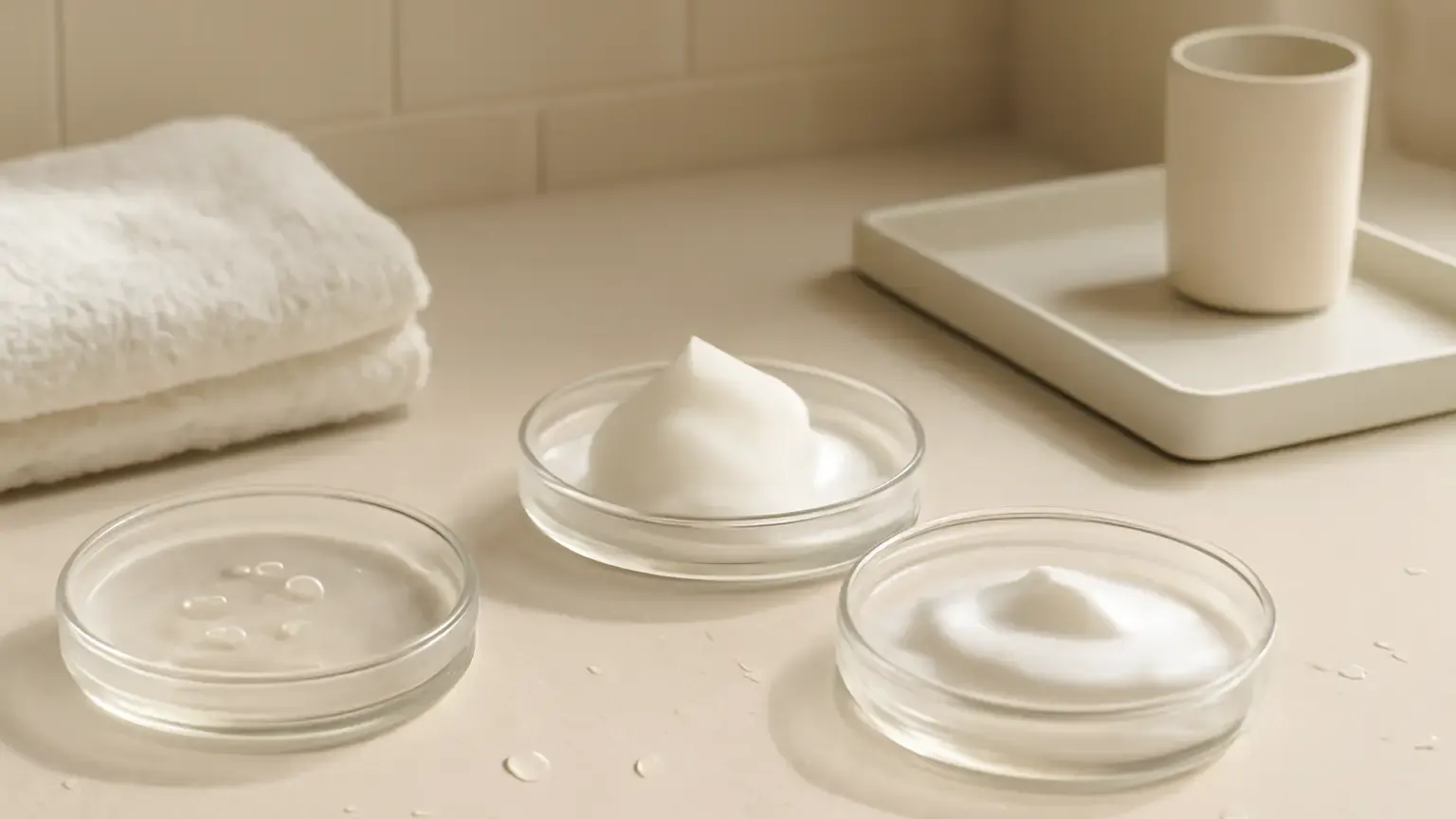
An oily skin face wash should remove sweat, sunscreen residue and excess sebum without leaving your cheeks squeaky or stretched. For most people in India, a lightweight gel is the easiest everyday choice; a soft foaming formula suits heavier oil and humid days, while a low-lather cleanser is better when sensitivity or post-wash tightness is a concern. The right pick depends on texture, cleansing strength and how your skin feels 10 minutes after rinsing.
What makes a good oily skin face wash?
Oily skin produces more sebum, but that does not mean it needs the strongest possible cleanser. A useful face wash should lift sweat, sunscreen, daily grime and excess oil while rinsing clean without making the face feel dry, hot or unusually stretched. The best formula is therefore not the one that creates the most foam. It is the one that cleans effectively and leaves the skin comfortable.
India’s heat, humidity, dust and frequent sunscreen use can make the face feel greasy by midday. However, washing aggressively can disturb the skin barrier. When that happens, you may notice flaky areas alongside shine, increased sensitivity or a tight feeling soon after cleansing. These are signs to reassess the formula, water temperature and washing frequency rather than simply buying a stronger face wash.
Gel, foam or low-lather: how the textures compare
Gel face wash
A gel face wash usually has a lightweight, slippery texture and low-to-moderate foam. It is often a practical starting point for normal-to-oily and combination skin because it can remove everyday sweat and oil without the dense, stripped feeling some high-foam products create. Gel formulas are particularly comfortable in warm weather and can work well as a morning cleanser.
Choose a gel when your T-zone becomes shiny but your cheeks do not feel heavily congested. Look for a pH-balanced formula and hydrating ingredients such as glycerin. If you use a gel with exfoliating ingredients, introduce it cautiously rather than assuming it is suitable for every wash.
Foaming face wash
A foaming face wash uses surfactants that create bubbles when massaged with water. Its richer lather can make the skin feel especially fresh after a hot, humid day or after sports. It may also suit people who prefer a more thorough-feeling cleanse before applying skincare.
The trade-off is that a strong or heavily fragranced foaming formula may remove too much surface oil for some people. This is more likely if you wash repeatedly, use hot water or scrub at the same time. A comfortable foam should rinse easily and leave no squeaky film. If your skin feels tight within a few minutes, switch to a gentler option or use the foaming product less often.
Low-lather cleanser
A low-lather cleanser produces little foam but can still clean effectively. It is a sensible option for sensitive skin, combination skin with dry patches, or anyone experiencing post-wash tightness. Low lather does not automatically mean weak cleansing; the formula’s surfactants, contact time and rinsing matter more than bubble volume.
This texture can feel less satisfying if you are used to a rich foam, especially after wearing water-resistant sunscreen. In that case, massage it over damp skin for around 30 to 45 seconds and rinse thoroughly. Avoid compensating by using a large amount or rubbing harder.
Which texture should you choose?
| Skin situation | Usually a useful starting point | What to watch for |
|---|---|---|
| Oily, humid-weather skin | Light gel or gentle foam | Dryness after rinsing |
| Very shiny T-zone | Moderate foaming face wash | Squeaky feel or cheek tightness |
| Combination skin | Gel or low-lather cleanser | Different needs across the face |
| Sensitive or easily irritated skin | Low-lather, fragrance-free option | Stinging, warmth or redness |
| Heavy sunscreen or makeup days | Gentle first cleanse, then face wash if needed | Over-cleansing and repeated rubbing |
For many readers searching for the best oily skin face wash for humid weather, a gentle gel offers the most balanced starting point. A foam may feel more suitable when sweat and oil are especially noticeable, while a low-lather formula is preferable when comfort and barrier support matter more than a very clean sensation.
Ingredients and formula details worth checking
Ingredients can help narrow a choice, but they should not replace attention to after-feel. A non-comedogenic cleanser may be helpful if you prefer products designed not to clog pores, although “non-comedogenic” is not a guarantee that every person will tolerate a formula.
A salicylic acid cleanser can be useful for an oilier routine because salicylic acid is an exfoliating ingredient that helps loosen buildup inside pores. However, it may be too drying for daily use if paired with scrubs, leave-on acids or other strong products. Start with the frequency recommended on the label and reduce use if your skin becomes uncomfortable.
For a straightforward daily cleanser, prioritise mild surfactants, a comfortable pH, no intense fragrance if you are easily reactive, and humectants such as glycerin. Niacinamide may appear in some formulas, but a rinse-off product has limited contact time, so do not choose a face wash based on one highlighted ingredient alone.
How often should you wash oily skin?
Most people with oily skin can begin with cleansing twice daily: once in the morning and once at night. If your face is comfortable after the morning wash, you may use a particularly gentle cleanser or simply adjust the routine according to sweat and product buildup. After exercise, rinse or cleanse if sweat remains on the skin for a long period.
More washing is not automatically better. Repeated cleansing through the day can increase dryness and irritation, especially when combined with hot water or vigorous rubbing. Blotting paper can remove surface shine between washes without repeatedly disturbing the skin. If you wear sunscreen or makeup, evening cleansing is the priority.
A simple evening routine
- Wash your hands before touching your face.
- Use lukewarm water, not very hot water.
- Massage the cleanser gently across the face for about 30 to 45 seconds.
- Rinse around the hairline, nose and jaw, where residue can remain.
- Pat dry with a clean, soft towel and apply a lightweight moisturiser.
Double cleansing is not essential for everyone. It can make sense when you have layered makeup or a water-resistant sunscreen that does not remove easily with one gentle wash. If you try it, keep both steps mild and avoid turning the process into prolonged scrubbing.
Signs your cleanser is too harsh
Pay attention to how your skin feels after the rinse and later in the day. The following signs suggest the routine may be too stripping:
- Persistent post-wash tightness or a stretched, squeaky feeling.
- Flaking around the nose, mouth or cheeks despite an oily T-zone.
- Stinging when you apply a basic moisturiser.
- Unusual redness, roughness or increased sensitivity.
- A cycle of feeling very dry immediately after washing and very greasy soon afterwards.
These signs do not prove that the cleanser is the only cause. Weather, over-exfoliation, shaving, strong active products and hot water can also contribute. Try reducing washing frequency, shortening massage time, changing to a gentler texture and moisturising consistently. If burning, swelling, severe irritation or persistent changes continue, consult a dermatologist or doctor rather than repeatedly changing products.
Common mistakes when choosing a face wash for oily skin
Choosing maximum foam: More bubbles do not necessarily mean better cleansing. Judge the product by how clean and comfortable your skin feels after drying.
Skipping moisturiser: Oily skin still benefits from lightweight hydration. Avoiding moisturiser because of shine can leave the routine feeling unbalanced, particularly after cleansing.
Using a scrub to control oil: Physical scrubbing can add friction and is rarely necessary for everyday cleansing. Gentle hand massage is enough for most routines.
Changing products too quickly: Give a basic routine enough time to show whether it causes tightness or irritation, while stopping sooner if there is clear discomfort.
Ignoring the rest of the routine: A cleanser cannot compensate for heavy occlusive products, unwashed pillowcases, excessive product layering or an unsuitable sunscreen texture. Evaluate the full routine rather than blaming one step automatically.
Final takeaway
The most dependable oily skin face wash is the one that removes sweat, sunscreen and excess oil without leaving your skin tight. Choose a gel for a balanced everyday cleanse, a gentle foam for a fresher feel in humid conditions, or a low-lather cleanser when sensitivity and comfort are priorities. Start with washing once or twice daily, use lukewarm water, moisturise afterwards and treat persistent irritation as a reason to seek professional advice.
Products that may help with this routine
Choose only what fits your skin, hair or personal needs. Use the links below to view current options on Amazon India.
Frequently Asked Questions
Is gel or foam face wash better for oily skin?
Neither texture is universally better. A gel is often a balanced everyday option, while a gentle foam may suit heavier oil, sweat and humid weather. Choose the one that cleans without post-wash tightness.
How often should you wash oily skin?
Most people can start with cleansing twice daily, morning and evening. Cleanse after heavy exercise if needed, but avoid repeated washing throughout the day if it causes dryness or irritation.
What does post-wash tightness mean?
Post-wash tightness usually means the skin feels stretched, squeaky or uncomfortable after cleansing. It can indicate that the formula, water temperature, washing time or frequency is too harsh for your skin.
Can oily skin use a low-lather cleanser?
Yes. A low-lather cleanser can remove everyday sweat and oil without a strong stripped feeling, making it useful for oily-combination or sensitive skin. Massage gently and rinse thoroughly.
Which cleanser is suitable for oily skin in India?
A lightweight gel or gentle foaming cleanser is a practical starting point for India’s heat and humidity. If your skin is sensitive or tight after washing, choose a low-lather, fragrance-free formula instead.