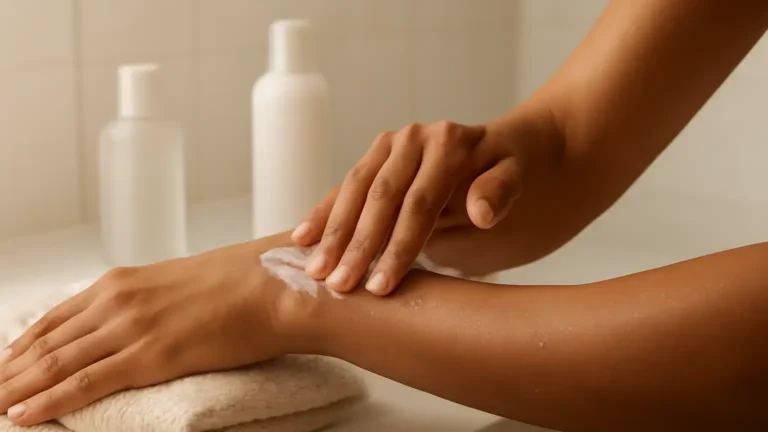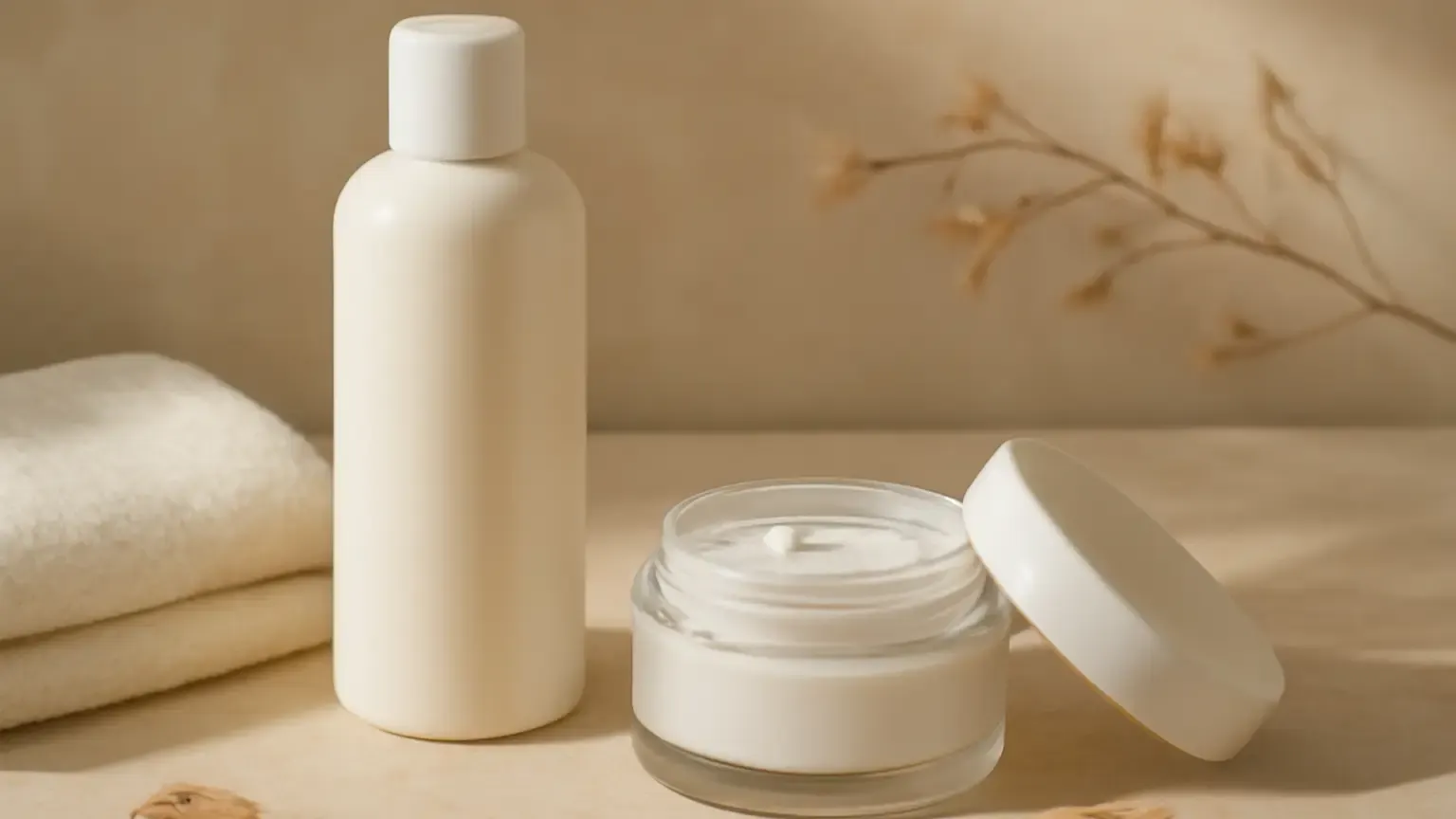
A dry skin body lotion works best when its texture matches the weather, your bathing habits and how much dryness you actually feel. Use a light, humectant-rich lotion in humid summer weather; choose a richer emollient or occlusive formula for winter, air-conditioning and rough patches. This guide is for anyone comparing a body lotion for dry skin and wanting comfortable, lasting softness without a greasy layer. The most effective time to apply is within a few minutes of bathing, while skin is still slightly damp.
Body skin does not need the same texture all year. A watery lotion may feel ideal during a humid monsoon, yet leave shins tight in a dry winter. Conversely, a dense body butter can be comforting in January but unpleasant in a hot, sticky afternoon. The right choice depends on three things: how the formula manages water, how well it smooths roughness, and whether it slows moisture loss.
How a dry skin body lotion moisturises
Moisturisers generally combine three types of ingredients. Understanding their roles makes the label and the texture easier to judge.
Humectants attract water
Humectants such as glycerin, hyaluronic acid and urea help draw water towards the outer layer of skin. They are common in a hydrating body lotion and can make skin feel fresher and more supple without a heavy finish. Humectants are particularly useful when skin feels tight after bathing, but they work best as part of a complete formula rather than alone.
Emollients smooth uneven texture
Emollients fill some of the tiny spaces between skin cells, making rough skin feel softer. Plant oils, fatty alcohols, squalane, cocoa butter and shea butter can contribute to this cushiony feel. An emollient-rich formula is useful for flaky shins, dry elbows and knees and skin that feels rough rather than simply tight.
Occlusives slow water loss
Occlusives form a protective layer that reduces evaporation from the skin surface. Petrolatum, mineral oil, waxes and some heavier plant butters are familiar examples. They are valuable for winter dryness, frequent hand or body washing and areas that become rough quickly. The trade-off is a richer, sometimes tackier finish.
Most effective products combine all three categories. Instead of searching for one miracle ingredient, look for a balanced formula that feels comfortable enough to use consistently.
Choose the texture by season and setting
Indian weather varies widely, so “light” and “rich” are more useful descriptions than a single year-round recommendation.
| Situation | Useful texture | What to look for |
|---|---|---|
| Hot, humid summer | Fluid lotion or gel-cream | Humectants, quick absorption and a non-sticky finish |
| Monsoon humidity | Light lotion | Comfortable spreadability without a waxy film |
| Dry winter or cold northern weather | Rich cream or body butter | Emollients, ceramides and an occlusive layer |
| Air-conditioned rooms | Medium cream | Humectants plus barrier-supporting lipids |
| Very rough patches | Targeted balm or dense cream | Occlusives and smoothing ingredients such as urea |
For summer and humid weather
A summer body lotion should spread quickly and leave little residue, especially if you dress soon after bathing. A fluid emulsion containing glycerin can provide comfortable hydration. If your skin is dry but you dislike heaviness, apply a smaller amount to damp skin rather than moving immediately to an extremely thick product.
For winter and dry indoor air
A winter body lotion usually needs more emollients and occlusives. Creams with ceramides, fatty ingredients or shea butter may feel more protective than a thin lotion. Use the richer texture on shins, forearms and hands, while keeping a medium cream for areas that do not feel as dry.
How to read the feel of a formula
Texture is a practical clue, but it is not a perfect measure of performance. Two products can both be called lotions and feel very different.
- Watery or gel-like: spreads fast and suits hot weather, but may need reapplication on very dry skin.
- Fluid lotion: a useful middle ground for daily use, particularly when you want a non-sticky body lotion.
- Rich cream: gives more cushion and is better suited to tight, rough or winter-stressed skin.
- Butter or balm: creates a more noticeable protective layer and works well on small, stubborn areas.
After applying, skin should feel comfortable and flexible, not coated for hours. If the product pills under clothing, remains greasy, or makes you avoid moisturising, it is probably too rich for that moment. If tightness returns quickly, the formula may be too light, you may be using too little, or your bathing routine may be drying the skin.
The best time to apply body lotion after bathing
The most useful answer to “when should I apply body lotion after bathing?” is within a few minutes, while skin is still slightly damp. Pat gently with a towel rather than rubbing completely dry, then smooth on the lotion. This helps trap some of the water already on the surface and makes spreading easier.
- Use lukewarm water instead of very hot water.
- Keep the bath or shower reasonably brief.
- Pat skin until it is damp, not dripping.
- Apply lotion generously to arms, legs, torso and any dry areas.
- Add a second layer to elbows, knees, heels or other rough spots if needed.
This is why lotion after shower is more than a convenient habit: it makes the product part of moisture retention rather than applying it to skin that has already dried out. If you bathe at night, moisturising before putting on sleepwear can also reduce friction and help the formula remain in contact with the skin.
Match ingredients to your skin concern
For everyday dryness, glycerin and emollients may be enough. If your skin often feels tight or rough, a ceramide body lotion can be a sensible option because ceramides are lipids naturally associated with the skin barrier. They do not make a product automatically suitable for everyone, so assess the full texture and your comfort.
A urea body lotion may help soften noticeably rough body areas, particularly when used as directed on the label. Choose a lower-strength cosmetic formula for ordinary body care and avoid applying products to broken, irritated or freshly shaved skin if they sting. For very rough heels, knees or elbows, a richer cream can be layered over a lighter lotion.
If fragrance tends to bother your skin, choose a fragrance-free body lotion. “Fragrance-free” is different from “unscented”, which may still contain ingredients used to mask odour. Those with sensitive skin should introduce one new product at a time and patch test on a small area first.
Build a practical body care routine for dry skin
A good body care routine for dry skin should be simple enough to repeat. Cleanse only as much as needed, avoid aggressive scrubbing and moisturise after bathing. A soft washcloth is usually sufficient; frequent rough exfoliation can make dryness feel worse.
Use a lighter lotion on areas that become sweaty and a richer product on shins, elbows, knees and heels. During winter or after long travel in air-conditioned spaces, moisturise twice daily if your skin feels tight. Sunscreen is also relevant for exposed body areas during daytime; a body lotion does not replace sun protection.
For people comparing the best moisturiser for dry body skin, consistency is a major decision factor. The best product is often the one with a suitable ingredient balance, a tolerable finish and packaging that makes regular application easy.
Common mistakes when moisturising dry body skin
- Waiting until skin is completely dry: this can make spreading harder and encourage using too little.
- Choosing the richest product in every season: an overly heavy finish may discourage daily use and feel uncomfortable in humid weather.
- Relying on oil alone: oil can reduce water loss but does not provide the same combination of humectant, emollient and occlusive support as a well-built moisturiser.
- Scrubbing away flakes: exfoliation does not solve the cause of dryness and can increase irritation when overdone.
- Ignoring ingredient comfort: burning, persistent itching or worsening redness is a reason to stop using that cosmetic product and seek professional advice if it continues.
A simple texture decision guide
Choose a light lotion if the weather is humid, your skin feels only mildly tight, or you need a quick-drying formula before dressing. Choose a medium cream if your skin feels dry in patches, you spend much of the day in air-conditioning, or a light lotion is not lasting until evening. Choose a body butter or balm for very dry areas, cold weather and overnight use, particularly when you can tolerate a protective finish.
Whichever texture you choose, apply it consistently to slightly damp skin and adjust with the season. A dry skin body lotion should leave your body feeling comfortable, supple and protected—not simply shiny. If severe dryness, cracking, pain, swelling or persistent itching does not settle with basic care, consult a dermatologist or doctor rather than repeatedly changing cosmetic products.
Takeaway
Humectants add water, emollients smooth roughness and occlusives help retain moisture. Pick a light, non-sticky lotion for humid months, a cream for everyday winter dryness and a butter or balm for targeted rough patches. Apply within a few minutes of bathing while skin is damp, then adjust the amount and richness according to comfort. That seasonal approach makes it easier to find a dry skin body lotion you will actually use.
Products that may help with this routine
Choose only what fits your skin, hair or personal needs. Use the links below to view current options on Amazon India.
Frequently Asked Questions
What is the best texture for dry skin body lotion?
A medium cream is a dependable starting point for dry skin because it can combine humectants, emollients and occlusives. Use a lighter fluid lotion in humid weather and a richer butter or balm for very rough patches.
When should I apply body lotion after bathing?
Apply it within a few minutes of bathing, while your skin is still slightly damp. Pat gently with a towel first, then spread the lotion to help retain surface moisture.
Which body lotion is best for dry skin in winter?
A rich cream with emollients and occlusive ingredients is generally more suitable for winter dryness than a very thin lotion. Ceramides, shea butter or petrolatum may support a more protective feel, depending on the formula.
Is body butter better than lotion for very dry skin?
Not always. Body butter is usually richer and can suit very dry areas or overnight use, while lotion may be more comfortable for larger areas and daily application. The better choice is the texture you can apply consistently without discomfort.
How do I choose a body moisturiser for Indian weather?
Match the texture to humidity and temperature. Choose a quick-absorbing lotion for hot, humid conditions, a medium cream for air-conditioned spaces, and a richer cream or butter for dry winter weather.
Can I use a non-sticky body lotion for dry skin?
Yes. Look for a balanced formula with humectants and emollients, and apply it to slightly damp skin. If tightness returns quickly, use more product or switch to a richer cream on the driest areas.