The wedding guest dress code India follows is usually a balance of festive polish, respectful coverage and all-day movement. This guide is for guests attending haldi, mehendi, sangeet, pheras, receptions or daytime weddings, with practical choices for heat, rain, dancing and venue changes. Use the ceremony checklist first, then adjust fabric, colour, neckline, footwear and accessories so your outfit feels celebratory without competing with the couple or becoming uncomfortable by hour three.
Start with the invitation, venue and ceremony schedule
Indian weddings rarely have one dress code for every event. A welcome lunch, turmeric ceremony, music night and formal reception can each call for a different level of dressiness. Before choosing an outfit, check the invitation wording, venue, start time and whether the event is indoors, outdoors or divided between several locations.
- Dress code wording: “Festive,” “traditional,” “cocktail,” “formal” and “pastel” each suggest a different finish. If the invitation names a colour palette, treat it as guidance rather than an obligation unless the family has specifically requested it.
- Timing: Day events suit lighter colours and breathable Indian fabrics, while evening receptions can take richer tones, shine and more structured tailoring.
- Movement: A ceremony involving a baraat, dancing or standing for long periods needs secure straps, manageable hems and footwear you can actually walk in.
- Coverage: Respectful dressing does not mean hiding your personal style. It means considering the family, religious setting and whether shoulders, midriff or legs need an extra layer during the ceremony.
If the schedule is unclear, ask a member of the wedding party. It is better to confirm whether a temple ceremony or outdoor lunch is involved than to rely on a generic party outfit.
Haldi and daytime ceremonies: choose colour, comfort and washable layers
Haldi ceremony outfit
A haldi is joyful, active and often messy. Choose a simple kurta set, cotton saree, short anarkali, relaxed sharara or easy salwar suit that allows you to sit, bend and move around. Yellow is traditional, but marigold, ivory, green, peach and soft pink can also work if they suit the invitation.
Prioritise fabrics that feel comfortable in heat, such as cotton, mulmul, linen blends or lightweight silk-cotton. Avoid elaborate trailing dupattas, delicate pale hems and heavily attached embellishment if guests are likely to participate in the turmeric ritual. A washable or easily managed outfit is more practical than a fragile one.
For coverage, wear a lining where needed and secure the dupatta with small, discreet pins. Flat juttis, kolhapuris or cushioned sandals are better than narrow heels on lawns, tiled courtyards or uneven outdoor paths. Keep jewellery light: small hoops, a watch, studs or colourful bangles are enough.
Day wedding guest outfit
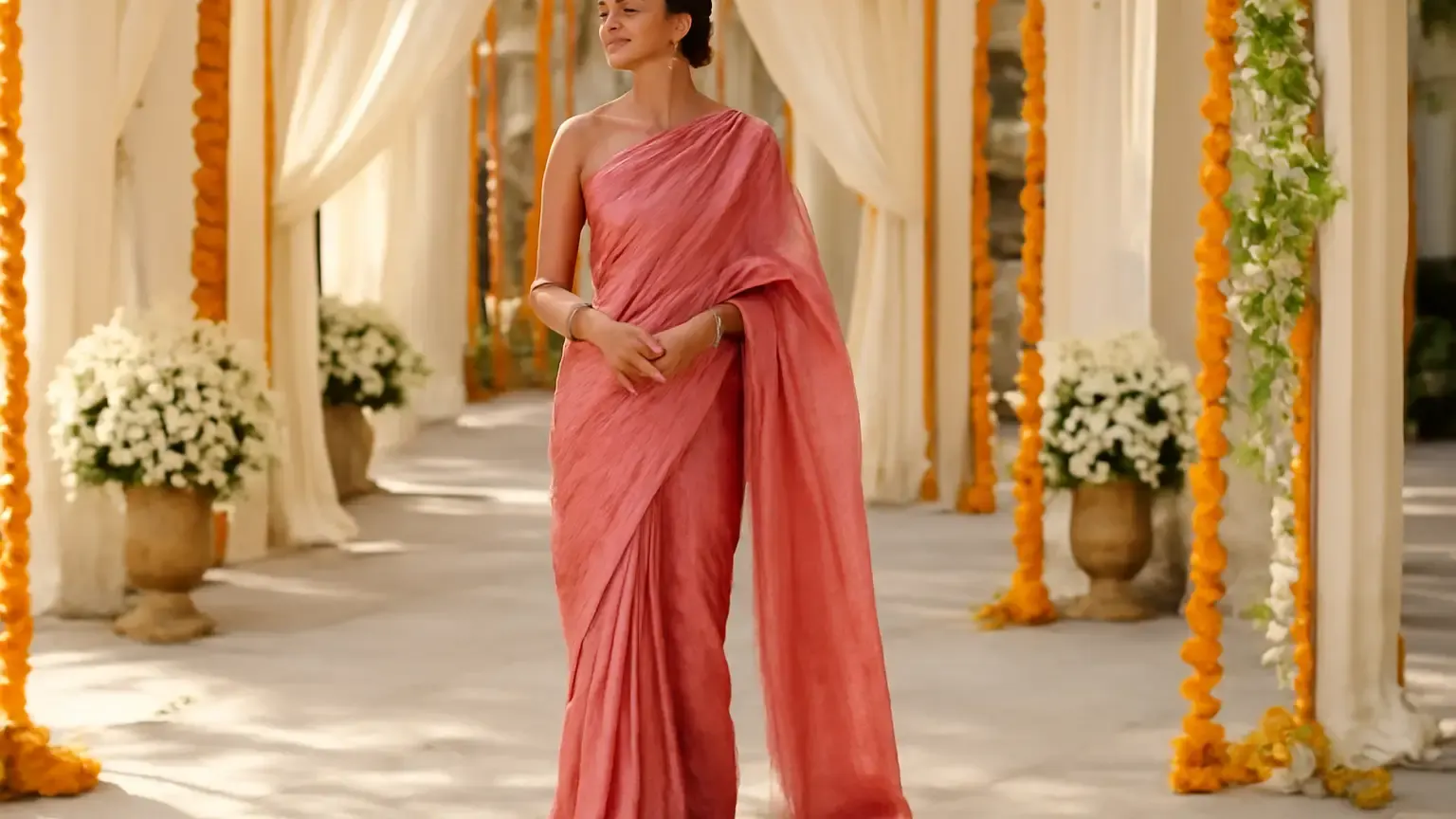
For a daytime wedding, use breathable construction rather than piling on accessories. A printed saree with a clean blouse, a pastel anarkali, a cotton-silk kurta set or a lightly embellished lehenga can look festive without feeling heavy. Men can consider a linen-blend kurta, textured Nehru jacket or well-fitted bandhgala in a lighter shade.
Daylight shows creasing and sweat more readily, so test how the fabric sits when you walk and sit. Lined garments can be more comfortable than transparent layers, but thick synthetic lining may feel warm. Choose a structured handbag or potli that leaves your hands free for greetings, food and photographs.
Mehendi and sangeet: dress for sitting, dancing and photographs
Mehendi function dress
A mehendi is usually less formal than the wedding ceremony but more decorative than an everyday lunch. Good options include a colourful sharara, a printed lehenga, a kurta with palazzo trousers or a pre-draped saree. Sleeves and necklines can be playful, but make sure the outfit does not interfere with the mehendi artist’s access to your hands and arms.
Wear a shorter or securely pinned dupatta if you will be sitting for a long application. Avoid rings and tight bracelets until the design has dried. If you want a statement look, put the emphasis on earrings, hair accessories or embroidery rather than accessories that could catch on the artist’s work.
Sangeet outfit ideas
The sangeet is the event where movement matters most. A lightweight lehenga with a comfortable waistband, a jumpsuit with a festive jacket, or a draped saree with a firmly secured pallu can work well. Select a hem that clears the floor and check whether you can raise your arms without the blouse shifting.
Sequins, mirror work and metallic details photograph beautifully, but balance them with a soft lining and a manageable weight. If you are performing, rehearse in the full outfit and shoes. Test turns, stairs, sitting cross-legged and lifting your arms before the event, not just the look in a mirror.
A small crossbody bag or wristlet is more useful than a large clutch when you are dancing. Use fashion tape only as a support, not as a substitute for a properly fitted garment. For long evenings, block heels, cushioned wedges or embellished flats are usually more dependable than very thin stilettos.
Pheras and religious ceremonies: combine elegance with respectful coverage
For pheras, a vivah ceremony or a visit to a place of worship, choose an outfit that stays secure while you sit, stand and move around the ritual space. A saree with a firmly pinned pallu, a modest lehenga, a long anarkali or a tailored kurta set can all be appropriate. In some venues, covering the head or removing footwear may be customary, so carry a lightweight scarf and wear shoes that are easy to take off.
Modest wedding guest outfits can still feel modern. Consider a high-neck blouse, elbow-length sleeves, a lined skirt, a jacket over a lehenga or a longline kurta with straight trousers. The aim is not to impose one standard of modesty; it is to respect the ceremony and dress in a way that will not require constant adjusting.
Keep embellishment intentional. A woven silk, brocade border, delicate zari or small crystals can provide occasion-appropriate polish without making the outfit look like bridalwear. Avoid a very long train, excessive red-on-red bridal styling or an outfit that could be confused with the couple’s designated look.
Reception and cocktail events: increase polish without sacrificing comfort
Indian wedding reception outfit
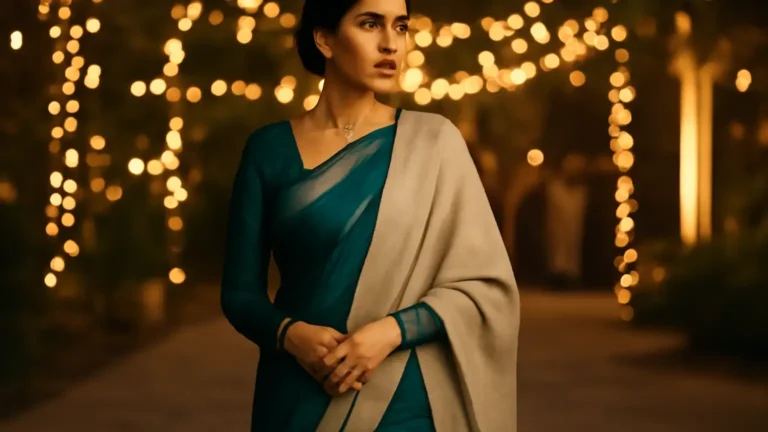
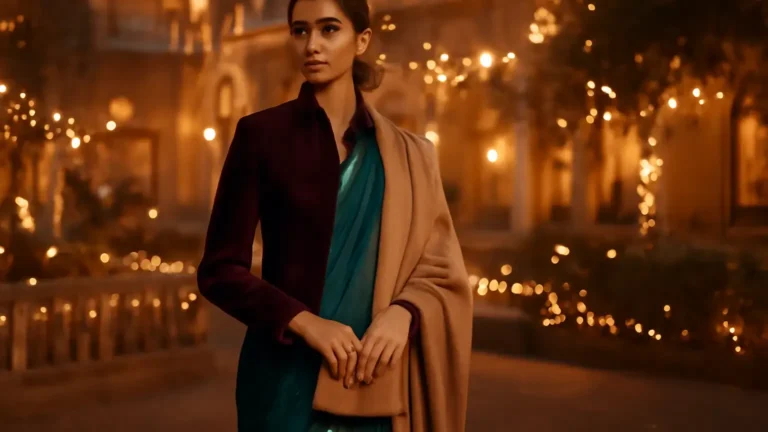
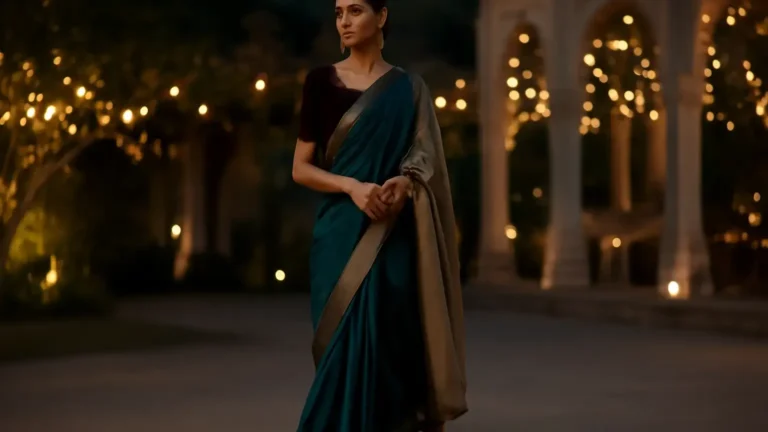
An Indian wedding reception usually allows the most evening glamour. Depending on the invitation, consider a satin or silk saree, a velvet or metallic lehenga, a tailored jumpsuit, an embellished anarkali or a sharply cut bandhgala. Jewel tones, deep neutrals, metallic accents and tonal embroidery can look sophisticated under evening lighting.
For a cocktail-style event, a sequinned saree, draped skirt with a blouse, embellished suit or formal dress with an Indian accessory may be suitable. Keep the overall finish festive rather than club-like, especially if elders, formal portraits or religious elements are part of the evening.
Choose one focal point: a statement blouse, dramatic earrings, a detailed dupatta or a strong shoe. Too many competing elements can make dressing and packing harder. A compact evening bag, secure hairstyle and low-maintenance makeup help the outfit remain practical through dinner and photographs.
Colour etiquette, fabrics and coverage: the decisions that prevent common mistakes
Wedding guest colour etiquette
Colour customs vary between families and regions, so there is no universal banned list. White may be associated with mourning in some communities, while red, deep maroon or bridal gold may be reserved for the bride or closely associated with her styling. Black can be acceptable at many contemporary receptions but may be discouraged by some families or for certain rituals.
When unsure, avoid an all-red bridal-style ensemble, very heavy gold-on-gold work and stark white for a traditional ceremony. You can still wear these colours as accents, prints or combinations if the family has not given different instructions. Ask about colour themes rather than guessing from social media photographs.
Fabrics for Indian wedding weather
Weather should influence the fabric more than a trend forecast. For summer, consider cotton-silk, linen blends, chiffon, georgette, mulmul and lightweight crepe, while remembering that heavily layered synthetic outfits may trap heat. For cooler evenings, silk, velvet accents, brocade or a formal jacket add warmth and structure.
For monsoon events, avoid hems that drag across wet ground and fabrics that become visibly heavy when damp. A lined outfit, compact umbrella and a shoe with some grip are practical additions. Air-conditioning at banquet halls can make a light shawl useful even when the outdoor temperature is high.
Build a reliable outfit checklist before the event
- Confirm the ceremony: Match formality to haldi, mehendi, sangeet, pheras, lunch or reception rather than repeating one outfit without adjustment.
- Check the fit in motion: Sit on the floor, climb stairs, raise your arms and walk for ten minutes. Fix slipping straps, loose waistbands and unsafe hems early.
- Plan the coverage layer: Add a scarf, jacket, shawl or pinned dupatta if the venue or ceremony calls for more coverage.
- Test the footwear: Wear wedding guest footwear at home first. Add gel cushions or blister protection only if they are comfortable and compatible with the shoe.
- Pack a small rescue kit: Carry safety pins, a few hairpins, tissues, stain-removal wipes, blister plasters, a phone charger and any required personal items.
- Keep accessories balanced: Match the scale of jewellery to the embroidery. Secure long earrings and avoid bags that constantly need to be held.
Common guest mistakes to avoid
The most common mistake is dressing for the photograph rather than the full event. A spectacular but restrictive outfit can become frustrating during a three-hour ceremony. Other avoidable issues include wearing slippery soles on grass, choosing a hem that catches underfoot, leaving a dupatta unsecured, ignoring the difference between day and evening light, and assuming every wedding has the same colour rules.
Guests also sometimes underdress a formal reception because the word “Indian” is treated as a complete dress code. Conversely, wearing the heaviest bridal-style outfit to a casual daytime function can appear out of proportion. Use the invitation, venue and family guidance as the final authority.
Quick takeaway
The best wedding guest dress code India choice is the one that matches the ceremony, respects the setting and lets you move comfortably. Pick breathable layers for daytime and haldi, secure and dance-friendly silhouettes for mehendi and sangeet, covered and practical styling for pheras, and a more polished finish for the reception. When in doubt, ask about colour preferences and ceremony customs, then choose comfort you can sustain until the last photograph.
Products that may help with this routine
Choose only what fits your skin, hair or personal needs. Use the links below to view current options on Amazon India.
Frequently Asked Questions
What should I wear to a haldi ceremony?
Choose a colourful, comfortable haldi ceremony outfit such as a simple kurta set, cotton saree, short anarkali or relaxed sharara. Use breathable or washable fabric, secure the dupatta and wear flat footwear because turmeric, heat and outdoor movement are common.
What to wear to an Indian wedding as a guest?
Match your clothes to the specific event. A light kurta set or saree suits a daytime function, a colourful lehenga or sharara works for mehendi or sangeet, a covered saree or anarkali suits pheras, and a formal saree, lehenga, suit or bandhgala fits an evening reception.
What colours should wedding guests avoid in India?
There is no single rule across India, but guests often avoid an all-red bridal-style outfit, very heavy bridal gold and stark white for traditional ceremonies. Black may be acceptable at a reception but should be checked with the family if customs are important.
What is the best outfit for an Indian wedding reception?
The best outfit for an Indian wedding reception depends on the invitation. A silk or satin saree, formal lehenga, embellished anarkali, festive jumpsuit or tailored bandhgala can work. Choose one statement feature and prioritise secure fit, comfortable lining and footwear suitable for standing and dancing.
What should I wear to an Indian wedding in summer?
Choose breathable Indian fabrics such as cotton-silk, mulmul, linen blends, lightweight georgette or crepe. Prefer lighter layers, secure silhouettes and footwear that handles outdoor surfaces. Carry a shawl or light cover-up if the reception venue is strongly air-conditioned.
Can I wear black to an Indian wedding?
Black can be appropriate for some modern evening receptions, but family and regional customs differ. Ask the hosts if you are attending a traditional ceremony, and consider adding festive colour or embroidery if black is permitted.