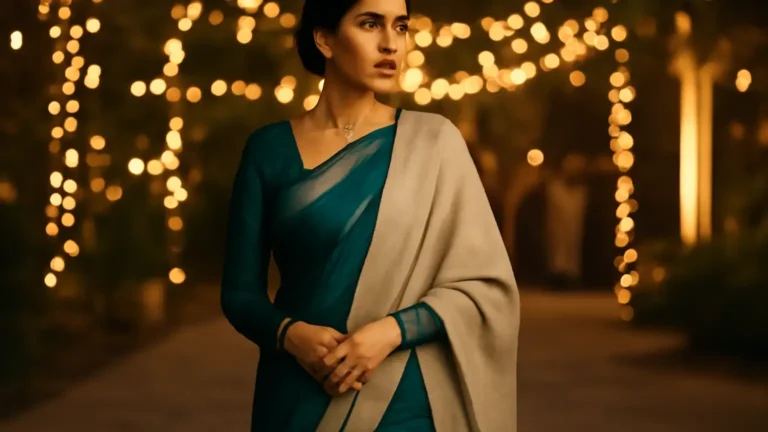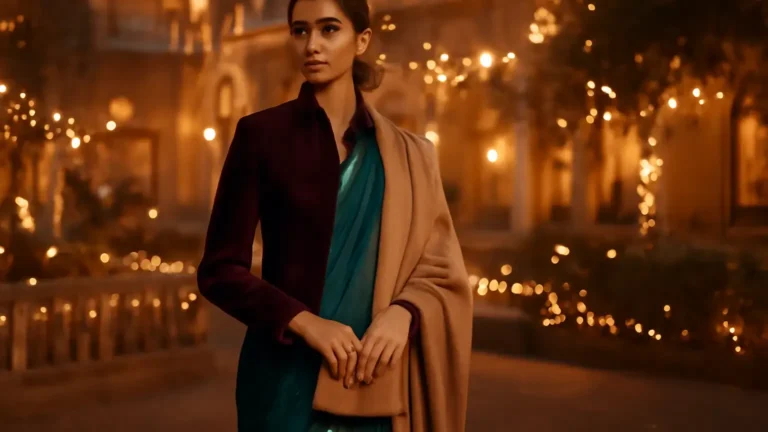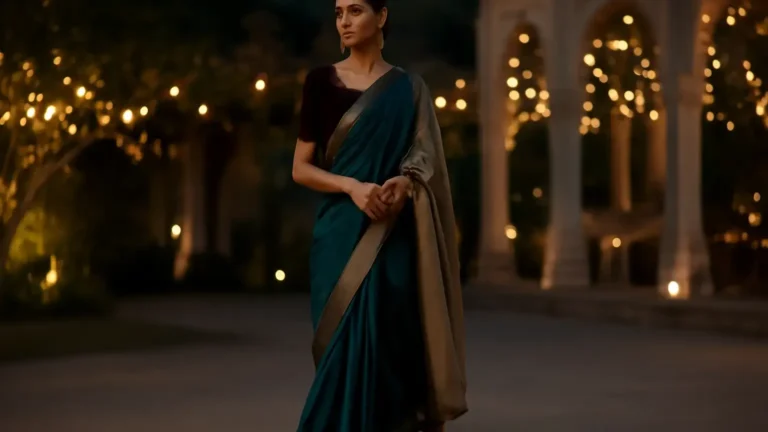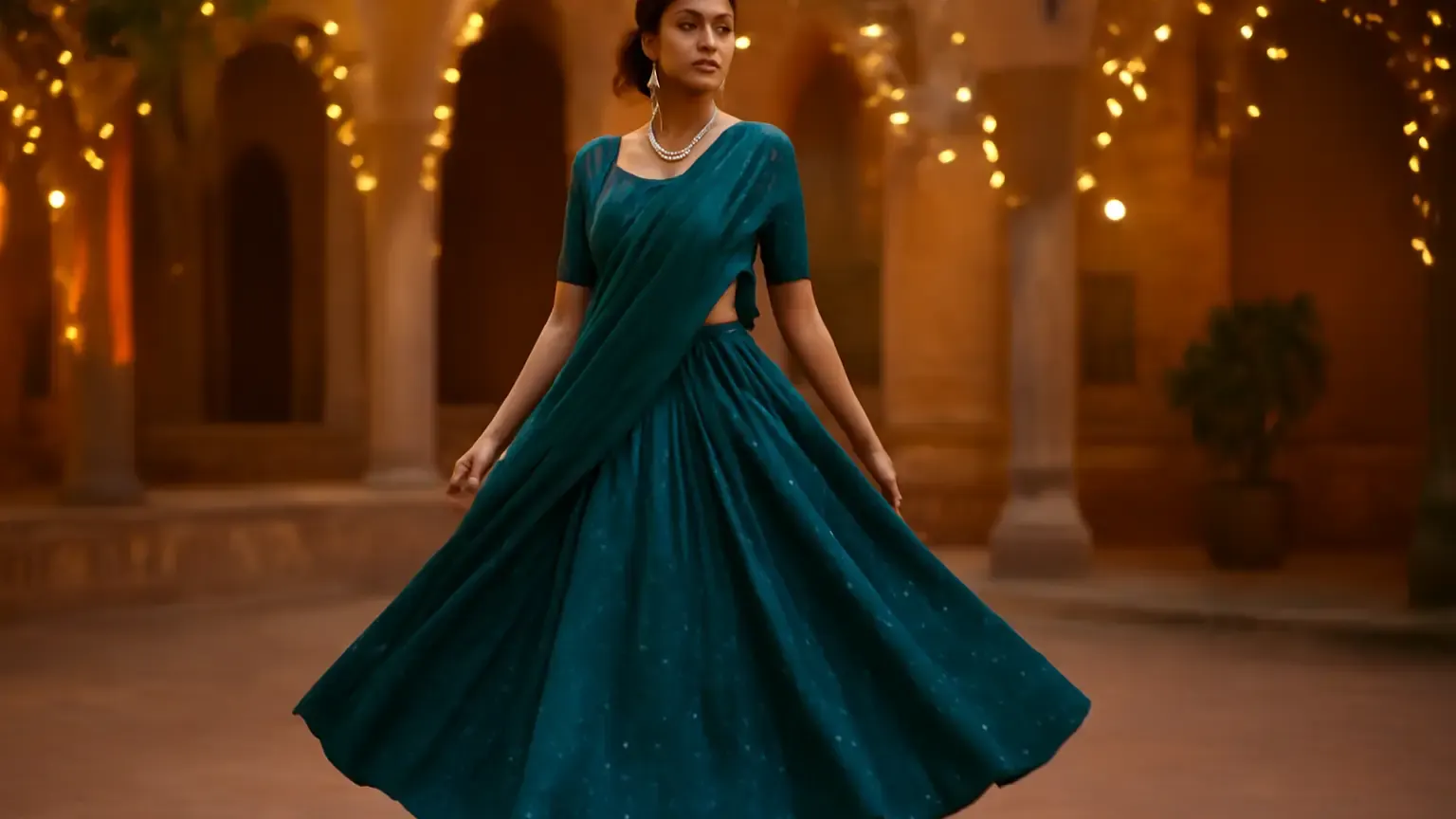
Navratri fashion for women works best when celebration-ready style does not compete with movement or comfort. For women attending garba, puja and daytime gatherings in warm Indian weather, choose airy cotton or cotton-blend fabrics, secure silhouettes, low-profile jewellery and cushioned footwear. A light lehenga, an easy kurta set or a pre-draped sari can look festive while helping you stay comfortable through hours of dancing, walking and sitting.
Navratri outfits need to do more than photograph well. They should allow a full range of movement, manage heat, stay reasonably secure while dancing and suit the formality of the occasion. The most reliable approach is to build an outfit around the event first, then add colour, craft details and accessories.
Start with the event: garba, puja or daytime gathering
The right outfit for a late-night garba circle is not always the best choice for a morning puja. Consider the duration, venue, weather, amount of walking and whether you will sit on the floor before choosing a silhouette.
- Garba: Pick a flared but manageable skirt, a well-secured chaniya choli, a short kurta set or a dhoti-style co-ord. The hem should clear your footwear, and the blouse should allow comfortable arm movement. These are practical garba outfit ideas for energetic events.
- Puja: A breathable kurta set, cotton lehenga or modest anarkali works well. For a puja outfit for women, prioritise easy sitting, a non-fussy dupatta and sleeves that do not require constant adjustment.
- Daytime events: Choose lighter colours, unlined fabrics and fewer layers. This is the moment for relaxed daytime festive dressing, such as a printed kurta with a flared palazzo or a simple skirt with a cotton blouse.
Breathable Navratri outfits: choose the fabric before the embellishment
Fabric affects comfort more than the amount of embroidery. Natural fibres and airy weaves generally feel easier in warm, crowded venues, although the lining, fit and construction also matter.
| Fabric or blend | Why it works | What to check |
|---|---|---|
| Cotton | Familiar, breathable and suitable for daytime wear | Look for a soft finish and enough opacity |
| Cotton voile or mulmul | Lightweight and comfortable for dupattas and blouses | It may need lining or careful draping |
| Cotton-silk blend | Offers a festive sheen without always feeling as heavy as silk | Check whether the inner lining traps heat |
| Viscose or rayon | Fluid drape and movement-friendly fall | Choose a breathable construction and follow wash instructions |
| Polyester-heavy blends | Can hold colour and pleats well | May feel warm during prolonged dancing |
For a cotton lehenga for Navratri, look for a skirt with a soft waistband, breathable lining and enough flare to move without becoming bulky. If you prefer a chaniya choli, reserve heavier mirror work for the yoke or border rather than covering the entire garment. A mirror work chaniya choli can be festive without becoming uncomfortable when its reflective details are balanced with a light base fabric.
Choose movement-friendly silhouettes
Movement-friendly silhouettes are shaped to stay in place while allowing the body to bend, turn and lift the arms. Fit is particularly important at the shoulder, waist and underarm; a garment that pulls in these areas will become tiring quickly.
Lehengas and chaniya cholis
A medium-flare skirt is often more practical than an extremely wide one for crowded garba floors. Check that the waistband lies flat, the drawstring or hook feels secure and the hem does not catch under your feet. A cropped blouse can be comfortable, but choose one that stays anchored during movement. If you prefer more coverage, add a lightweight jacket or a tucked-in short kurta.
Kurta sets and anarkalis
A straight or gently flared kurta with palazzos is a dependable option for puja and daytime gatherings. Anarkalis create movement through the skirt portion, while pants reduce the need to manage fabric. These styles also make useful Navratri outfit ideas for women when you want a reusable festive wardrobe rather than a one-night purchase.
Saris and pre-draped styles
A pre-draped sari or a sari worn with secure pleats can look elegant at a puja or family event. For dancing, pin the pleats discreetly and avoid a trailing pallu. A belt can help, but it should not be tight enough to restrict breathing or sitting.
Colour and detail: festive without adding unnecessary weight
Navratri naturally suits bright colour, but comfort does not require a heavily embellished outfit. Build interest through one strong detail: a bandhani dupatta, a contrast border, gota patti, printed fabric or a small area of mirror work.
Useful festive outfit colour combinations include fuchsia with orange, cobalt with yellow, green with pink, ivory with red and purple with a warm metallic accent. For daytime, soften saturated shades with cream, beige or pastel pink. At night, deeper jewel tones can carry the look while keeping the styling simple.
Keep embellishment away from areas that rub against the underarm, waist or neck. Rough sequins and stiff embroidery may look attractive on a hanger but can irritate skin during several hours of wear. If a garment feels scratchy during a five-minute trial, it is unlikely to become more comfortable on the dance floor.
Lightweight dupatta styling that stays secure
A dupatta should add colour and shape without becoming something you repeatedly hold. Lightweight dupatta styling is especially useful for garba because it reduces bulk around the arms.
- Drape it over one shoulder and pin it near the blouse strap or shoulder seam.
- For more coverage, cross it diagonally across the torso and secure it at the waist with a discreet pin.
- Choose cotton voile, mulmul or a light chiffon-like fabric when the outfit already has a decorated skirt.
- Avoid long, loose ends near candles, lamps, crowded dance circles or escalators.
Use safety pins carefully and cover sharp ends. Test the drape by raising both arms, turning and sitting before leaving home.
Navratri jewellery ideas and practical finishing touches
Jewellery can define a simple outfit, but large pieces may become distracting during active celebrations. Good Navratri jewellery ideas include one statement element with smaller supporting pieces: oxidised silver earrings with slim bangles, a short necklace with small jhumkas, or colourful beadwork with a plain kurta set.
For garba, avoid very long earrings, loose necklaces and stacks of bangles that catch on dupattas. Choose lightweight earrings with secure backs and remove anything that feels heavy after a short trial. A small potli or crossbody bag leaves both hands free for dancing and greeting people. Keep essentials such as tissues, a phone, a little cash and any personal comfort items in a bag that closes properly.
Comfortable ethnic footwear for long celebrations
Comfortable ethnic footwear should have a secure fit, a reasonably cushioned footbed and enough grip for the venue. Juttis, kolhapuris, flat sandals and low block heels can all work, depending on the surface and the amount of walking.
For garba, choose flats or a low, stable heel rather than a narrow high heel. Test the footwear with the actual outfit: the hem should not catch under the sole, and the strap should not press into the foot. Wear them indoors beforehand with the socks or foot covers you plan to use. Avoid trying untested shoes for the first time at a long event.
A simple preparation routine before you leave
- Try the full look: Put on the outfit, inner layers, jewellery, dupatta and footwear together.
- Do a movement check: Walk quickly, raise your arms, sit, turn and take several steps up and down if possible.
- Check heat points: Notice tight lining, synthetic layers, rough seams and heavy embellishment.
- Secure the details: Pin the dupatta, test hooks, trim loose threads and carry one or two spare pins.
- Pack for the venue: Add a small bag, tissues and a light layer if the event is outdoors or air-conditioned.
Common Navratri styling mistakes to avoid
- Choosing a dramatic flare that tangles with other dancers or catches underfoot.
- Wearing a heavy polyester lining in humid weather because the outer fabric looks festive.
- Pairing large earrings, a necklace, bangles and a headpiece when one statement accessory would be enough.
- Leaving the footwear trial until the event day.
- Ignoring sitting comfort for a puja or family gathering.
- Using too many safety pins without checking that they are covered and secure.
Quick takeaway
The strongest Navratri fashion for women combines a breathable base, a secure silhouette, one memorable festive detail and footwear that can handle the full event. Choose cotton or light blends for warm daytime occasions, keep embellishment strategic, and test every outfit through the movements you will actually make. Comfort is not a compromise; it is what lets the colour, craft and celebration remain enjoyable.
Products that may help with this routine
Choose only what fits your skin, hair or personal needs. Use the links below to view current options on Amazon India.
Frequently Asked Questions
What to wear for garba in hot weather?
Choose a cotton or cotton-blend chaniya choli, medium-flare lehenga, short kurta set or breathable co-ord. Keep the lining light, secure the dupatta, limit heavy jewellery and wear tested flat footwear with grip.
What is the best breathable Navratri outfit for women?
A cotton lehenga with a comfortable waistband, a cotton kurta with palazzos, or a light cotton-blend anarkali is a practical choice. The best option depends on the event, but avoid heat-trapping layers and overly tight fits.
What is a comfortable Navratri outfit for daytime puja?
Try a breathable kurta set, cotton lehenga or lightly embellished anarkali with a short, secure dupatta. Choose easy sitting, soft lining and comfortable flats for a morning or afternoon puja.
What footwear is best for garba?
Flat juttis, supportive kolhapuris or secure flat sandals are usually practical for garba. Choose a pair with grip and a comfortable fit, and wear it indoors before the event to check for rubbing.
How do you style a lehenga for Navratri without feeling overheated?
Use a breathable skirt and blouse, reduce the number of inner layers, select a medium flare and style a lightweight dupatta with discreet pins. Let one border or jewellery piece provide the main festive detail.
Are lightweight Navratri dresses for women in India suitable for night events?
Yes. A lightweight anarkali, kurta set, pre-draped sari or fluid lehenga can suit a night event when paired with festive jewellery or a detailed dupatta. Add warmth only if the venue is outdoors or air-conditioned.