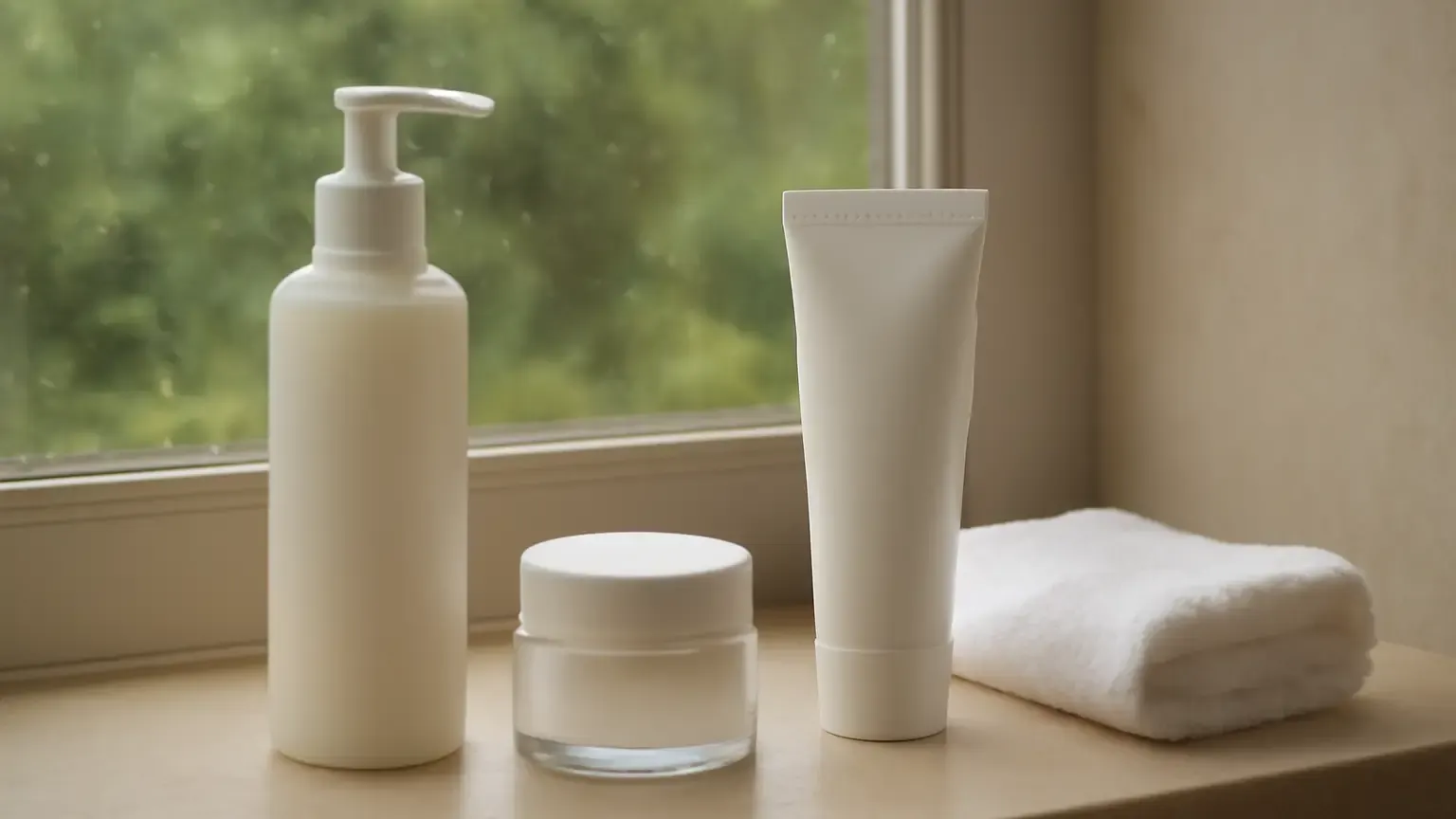
Seasonal skin care for changing humidity is mainly about changing texture and frequency, not replacing every product. If you live in India and move from dry winter air into sticky summer or monsoon weather, adjust your cleanser, moisturiser, sunscreen and exfoliation one at a time. The goal is comfortable, protected skin without extra oiliness, tightness or irritation—and knowing when the weather has not changed consistently enough to justify a new routine.
Humidity changes alter how sweat, sebum and water behave on the skin’s surface. In dry weather, water evaporates more quickly and skin may feel tight. In humid weather, perspiration evaporates slowly, so the same rich cream can suddenly feel heavy, sticky or pore-clogging. The right response is a measured adjustment rather than a complete seasonal product overhaul.
First, read the weather and your skin together
Humidity is only one part of the decision. Heat, pollution, air-conditioning, sunlight and bathing habits also affect comfort. A hot, humid Mumbai afternoon calls for a different texture from a cool, dry Delhi morning, even if both occur in the same month. This is why Indian climate skincare works best when based on current conditions rather than a fixed calendar.
Use these signals before changing anything:
- Too dry: skin feels tight after cleansing, makeup catches on dry areas, or a previously comfortable lotion no longer feels sufficient.
- Too heavy: the face feels coated, shiny or sweaty soon after application, especially around the forehead, nose and chin.
- Possibly irritated: stinging, persistent redness, flaking or unusual sensitivity suggests that your barrier may need simpler skin barrier care rather than more active products.
Make one change at a time and give it several days, unless a product is clearly irritating. This makes it easier to identify whether the problem is the cleanser, moisturiser, sunscreen or exfoliation schedule.
Change 1: Adjust your cleanser before adding more products
A cleanser is often the first product to reassess as humidity rises. In dry weather, a gentle, low-foam cleanser may be comfortable twice daily or once at night. As heat and perspiration increase, a slightly lighter cleansing experience can help remove sunscreen, sweat and surface oil without leaving the skin squeaky.
When to use a gentler or lighter cleanser
A gentle cleanser for humid skin should remove daily residue without making the face feel stretched afterwards. If you have combination or oily skin, a soft foaming formula at night may be useful, while a water rinse or mild cleanser in the morning may be enough. Dry or sensitive skin usually benefits from avoiding repeated strong cleansing, even in monsoon weather.
If you wear water-resistant sunscreen, reapply frequently, or spend time in traffic and dust, cleanse thoroughly in the evening. Thorough does not mean scrubbing harder; it means allowing the cleanser to contact the skin properly and rinsing it away completely.
Signs you are changing the cleanser too soon
- The weather has been humid for only a day or two, but your skin is otherwise comfortable.
- You are mistaking normal midday shine for a need to remove all oil.
- Your new cleanser leaves tightness, squeaking or stinging after every wash.
Do not add a strong cleanser simply because you notice a few sweat-related breakouts. Consider sunscreen removal, touching the face, pillowcase hygiene and product buildup as well. Persistent or painful breakouts deserve personalised advice from a dermatologist.
Change 2: Move moisturiser texture in small steps
The best moisturiser is the one that supports comfort without leaving an unnecessarily heavy film. During dry, cool months, a cream containing humectants and barrier-supporting ingredients may suit dry skin in winter India. When the air becomes warmer and more humid, a lotion or gel moisturiser for humid weather may feel more practical.
Texture is not the same as hydration. A lightweight moisturiser can still provide useful hydration, while a rich product is not automatically better for dehydrated skin in humidity. Apply moisturiser to slightly damp skin, then adjust the amount by zone: less on an oily T-zone and more on dry cheeks if needed.
When should I switch to a lighter moisturiser?
Switch when the heavier product consistently feels occlusive for several days, causes uncomfortable sweating under sunscreen, or makes your skin look greasy soon after application. Do not switch solely because the season has officially changed. Indian weather can fluctuate, and air-conditioning can make a humid day feel drying indoors.
Look for non-comedogenic skincare if you are prone to blocked pores, but remember that “non-comedogenic” is not a guarantee for every individual. Patch-test a new formula on a small area and introduce it without changing several other products at the same time.
Change 3: Keep sunscreen consistent, change the finish if needed
Humidity does not reduce the need for sunscreen. UV exposure can remain significant during cloudy monsoon days, and outdoor time still matters. Choose a broad-spectrum sunscreen with a finish you can apply generously and reapply as appropriate for your exposure. For many people, a lighter, quick-setting broad-spectrum sunscreen in India is easier to wear in heat than a thick cream.
For commuting, outdoor sport or heavy sweating, consider a sunscreen designed for better wear during activity. Follow the product’s directions, and remember that water or sweat can reduce the film on the skin. A sunscreen that pills, feels sticky or causes eye discomfort may lead to under-application, so a more comfortable texture can improve real-world protection.
How to prevent a humid-weather sunscreen from feeling heavy
- Use a smaller amount of moisturiser underneath if your sunscreen is already emollient.
- Allow skincare layers to settle instead of rubbing repeatedly.
- Apply sunscreen evenly to exposed skin and reapply based on time outdoors, sweating and product instructions.
- Cleanse thoroughly at night without using a harsh scrub to compensate for sunscreen use.
Do not stop moisturiser entirely just because your sunscreen is hydrating. If your skin becomes tight later in the day, the issue may be insufficient moisturising rather than excess sunscreen.
Change 4: Reduce exfoliation when skin is already stressed
Exfoliation is the step most likely to be overused during a humidity transition. Sweat, oil and a rough-feeling surface can create the temptation to scrub more often. However, frequent acids, scrubs or exfoliating tools can increase dryness and sensitivity, especially when combined with strong cleansing and sun exposure.
Review your exfoliation frequency instead of automatically increasing it. If your existing routine is comfortable, keep the same schedule while the weather settles. If you notice stinging, flaky patches or redness, pause additional exfoliation and return to a simple cleanser, moisturiser and sunscreen routine. This is supportive self-care, not a treatment for a diagnosed skin condition.
How often should I exfoliate during monsoon?
There is no universal monsoon schedule. Some people tolerate occasional exfoliation, while sensitive or dry skin may need less. Start at the lowest frequency suggested on the product label, never combine multiple exfoliants casually, and avoid exfoliating freshly irritated or sunburned skin. A smooth feeling immediately after scrubbing is not proof that more frequent exfoliation is beneficial.
A four-stage humidity transition skincare routine
Use the following stages as a decision guide rather than a rigid seasonal timetable.
Stage 1: Dry or cool conditions
Prioritise a gentle cleanser, a comfortable cream or lotion, daily sunscreen and conservative exfoliation. If indoor air-conditioning makes your skin tight, keep the routine simple and avoid adding strong actives to solve every dry patch.
Stage 2: Warmth begins, but humidity is inconsistent
Keep the cleanser and moisturiser that still feel comfortable. You may reduce the amount of cream on the T-zone or change only your morning texture. This is the stage where premature switching is common because one hot day does not necessarily represent a sustained climate change.
Stage 3: Sustained humid or monsoon weather
Consider a lighter cleanser or evening cleanse if needed, a lotion or gel-cream, and a sunscreen finish that tolerates sweat better. Keep exfoliation controlled. A practical monsoon skincare routine should also include clean towels, avoiding repeated face wiping and changing damp clothing after outdoor activity.
Stage 4: Humidity starts to fall
Gradually restore a richer moisturiser on dry zones if tightness returns. Do not keep using a very light routine if cheeks begin flaking or feeling uncomfortable. Continue sunscreen and reassess cleanser strength before adding any new exfoliant.
Common mistakes during a humidity transition
- Replacing everything at once: you lose the ability to identify what helped or caused irritation.
- Over-cleansing midday: repeated washing can leave skin uncomfortable without preventing all breakouts.
- Skipping moisturiser: oily-feeling skin can still become dehydrated or irritated.
- Using more exfoliant for texture: roughness may reflect irritation, residue or dehydration rather than a need for stronger exfoliation.
- Ignoring the body: sweaty areas benefit from breathable clothing, gentle cleansing and changing out of damp garments, not aggressive scrubbing.
Who should take a slower approach?
Use smaller changes if you have sensitive skin, eczema-prone areas, a history of reactions, or a routine containing prescription products. Keep a brief note of weather, products and symptoms for a week; patterns are more useful than judging your skin after one unusually hot day. If burning, swelling, severe redness, persistent rash or painful acne continues, seek advice from a qualified dermatologist. Do not stop prescribed care without speaking to the prescribing clinician.
Takeaway: let comfort guide seasonal skin care for changing humidity
Seasonal skin care for changing humidity does not require a dramatic reset. Start with the cleanser if sweat and residue are the main issue, adjust moisturiser texture when heaviness or tightness persists, keep sunscreen reliable, and be cautious with exfoliation. Change one variable at a time, watch your skin for several days and treat fluctuating weather as a reason to observe—not a reason to overcorrect.
Products that may help with this routine
Choose only what fits your skin, hair or personal needs. Use the links below to view current options on Amazon India.
Frequently Asked Questions
How should I change my skincare routine when humidity changes?
Change one step at a time. Start by adjusting cleanser strength or frequency, then modify moisturiser texture if skin feels heavy or tight. Keep broad-spectrum sunscreen consistent and reduce exfoliation if you notice stinging, redness or flaking.
What is the best moisturiser for humid weather in India?
A lightweight lotion or gel-cream may feel more comfortable in humid Indian weather, especially on combination or oily skin. Choose based on comfort and barrier support, and use more on dry areas if needed rather than applying the same amount everywhere.
How often should I exfoliate during monsoon?
There is no single correct frequency. Follow the product directions, use the lowest frequency your skin tolerates and avoid exfoliating irritated or sunburned skin. Do not increase exfoliation simply because sweat or shine has increased.
When should I switch to a lighter moisturiser?
Switch when a richer moisturiser feels consistently sticky, causes uncomfortable sweating under sunscreen or leaves the skin greasy for several days. One hot day is not always enough evidence, particularly if you spend much of the day in air-conditioning.
Should I change my cleanser during the monsoon?
Only if your current cleanser no longer removes daily sweat and sunscreen comfortably, or if it leaves your skin tight and irritated. A mild foaming cleanser at night may suit some oily or combination skin, while dry skin may need a gentler formula.