Seasonal hair care for October weddings works best when you plan around your function calendar, not when you wash by habit. This guide is for brides, bridesmaids and guests facing several events in warm or humid parts of India. Use a full wash after heavy sweat, oil or styling residue; use a targeted scalp refresh and light conditioning on lower-sweat days. That balance keeps roots comfortable, lengths polished and heat styling more manageable without daily shampooing.
October weddings can bring a tricky mix of warm afternoons, humid venues, travel, makeup, dupattas and several hairstyles in a short period. Your scalp may feel sweaty while the lengths become dry from blow-drying, curling or repeated brushing. The answer is not automatically a daily full wash. A better plan matches cleansing intensity to sweat, product residue and the next styling appointment.
Build a wedding hair wash schedule around the events
Start by listing each function, the hairstyle planned and the time available before the next event. A sangeet with outdoor dancing needs a different reset from a short indoor puja. This simple schedule helps you avoid both extremes: shampooing unnecessarily and carrying heavy buildup into a fresh style.
- High-sweat day: If your scalp is visibly sweaty, feels uncomfortable or has accumulated styling product, wash it properly once you return or before the next event when practical.
- Moderate-sweat day: Refresh the scalp and hairline, then condition only the drier mid-lengths and ends if the hair is otherwise clean.
- Low-sweat day: Leave the wash alone. Brush gently, smooth flyaways and preserve the existing shape rather than adding more product.
For many people, washing every other day during a busy wedding stretch is more comfortable than forcing a fixed rule. Fine, oily hair may need more frequent cleansing, while thick, curly or dry hair may benefit from longer intervals. Your normal scalp behaviour is the best starting point.
Seasonal hair care for October weddings: refresh without over-washing
A scalp refresh routine is useful between functions when there is mild sweat but no heavy oil or styling residue. First, let the roots dry completely after travel or dancing. Damp roots hidden under a tightly pinned style can feel uncomfortable and may make the hair look flatter.
- Remove pins and loosen the hairstyle as soon as the function ends.
- Blot the hairline and scalp gently with a clean, dry towel; do not rub vigorously.
- Use a cool or low-warm dryer setting for a short period if the roots are damp.
- If suitable for your hair, apply a small amount of dry shampoo for Indian weather to the roots, wait as directed on the label and massage or brush it through.
- Re-style only the sections that need it instead of coating the entire head with more spray or serum.
Dry shampoo absorbs some oil; it does not remove sweat, pollution or product residue. Avoid layering it for several days. A full cleanse is the better choice when the scalp feels coated, itchy, tender or unusually uncomfortable. Do not apply a new scalp product to broken or irritated skin, and follow its label directions.
Choose cleansing and conditioning by hair need
When a full wash is the better decision
Wash when you have been sweating heavily, used strong hold spray or wax, worn a tight head covering for hours, or applied oil before styling. Use a gentle shampoo on the scalp and let the lather run through the lengths rather than scrubbing them aggressively. A second light cleanse may be reasonable when there is substantial residue, but repeated vigorous washing can leave the ends rough.
Scalp buildup management also matters after multiple functions. An occasional clarifying wash can help with persistent styling residue, but it should not become an automatic daily step. If your scalp is sensitive or your hair is colour-treated, choose a milder approach and follow the care guidance appropriate to your hair service.
Condition the lengths, not the roots
A lightweight conditioner is usually the practical choice for consecutive events. Apply it from around the ears down, leave it on for the recommended time and rinse well. Fine hair may need only the ends; curly, coarse or chemically treated hair may need more coverage. Avoid putting rich masks or heavy oils near the scalp immediately before a voluminous hairstyle.
Pre-wash hair oiling can suit dry lengths when done well in advance, followed by a thorough wash. It is less suitable immediately before a function because excess oil can reduce grip, flatten the roots and make heat styling harder. If you are unsure, reserve oiling for a non-event day.
Control sweat, humidity and frizz before styling
A humid weather hair routine should begin before the styling appointment. Arrive with clean, fully dry hair unless your stylist has given different instructions. Wet or damp hair can take longer to style and may encourage frizz once you step outside. Wear a loose hairstyle while travelling to reduce tension and heat around the scalp.
For anti-frizz hair care, use a small amount of a lightweight smoothing product on the mid-lengths and ends. Avoid applying several overlapping products “just in case”; the combination can make hair sticky and attract dust. Keep a clean comb, a few spare pins and a small serum or smoothing cream in your event kit, but use them sparingly.
Sweat-proof wedding hairstyles are generally those that allow some movement and do not depend on a perfectly loose root. A low bun, braid, textured ponytail or half-up style can be easier to maintain than hair left fully open in humid weather. If you have a sensitive hairline, ask for pins and accessories to be placed without painful pulling.
Use heat protection strategically for consecutive events
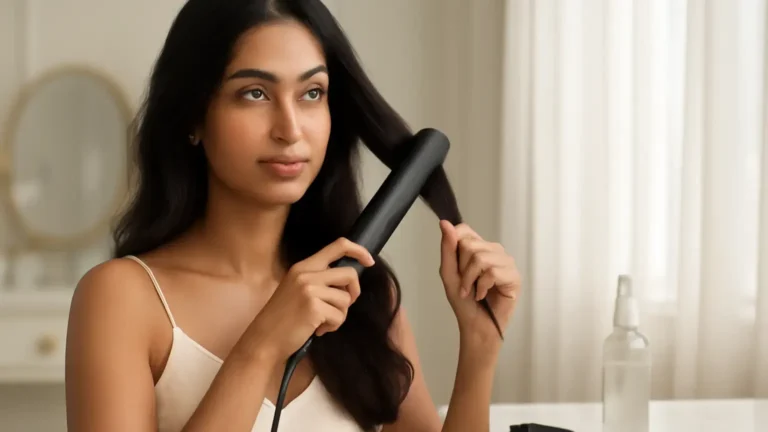
Repeated blow-drying, curling and straightening can make already dry ends feel brittle. A heat protectant for hair is useful whenever a hot tool or high-temperature dryer is used, but it is not permission to use maximum heat repeatedly. Apply the product evenly according to its instructions, allow the hair to dry as directed and use the lowest effective temperature.
- Let hair air-dry partly before using a dryer, if time and texture allow.
- Work in sections so each section needs fewer passes.
- Do not use a curling iron or straightener on damp hair unless the tool is specifically designed for it.
- Give the hair a no-heat day when the function schedule permits.
- Ask the stylist to refresh only the front, crown or visible curls rather than restyling every strand.
A professional styling appointment should include a conversation about previous heat, colour, smoothing or chemical services. If the hair feels unusually fragile, reducing heat and choosing a simpler style is safer than trying to force a particular finish.
Protect hair overnight and prepare for the next function
Night-time handling can decide whether the next morning needs a full restyle. Remove heavy accessories and loosen tight elastics before bed. Brush or detangle from the ends upwards, using gentle strokes. If the hair is long, a loose braid can reduce tangling; avoid sleeping in a tight bun or pins.
Overnight hairstyle protection may include a clean satin or silk scarf, bonnet or pillowcase, provided it does not make you overheat or pull at the hairline. Keep the scalp dry before covering it. In the morning, assess the roots first: refresh only if they are oily or sweaty, and use a little water or a suitable styling product on the ends rather than adding more shampoo substitute.
Common October wedding hair mistakes to avoid
- Trying a new scalp product just before the wedding: Test new products earlier, especially if your scalp is reactive.
- Oiling immediately before a voluminous style: Oil can reduce hold and make roots look flat.
- Using dry shampoo as a replacement for washing: It is a short-term oil absorber, not a cleanser.
- Washing and heat-styling at the last minute: Give hair enough time to dry fully and settle.
- Ignoring accessories: Heavy jewellery, pins and tight elastics can create tension. Remove them promptly after the event.
- Over-conditioning before an updo: Very slippery hair may be difficult to pin, while too much texturising spray creates residue.
If you have persistent scalp discomfort, marked flaking, sores, unusual hair shedding or pain, speak with a dermatologist rather than repeatedly changing beauty products. This routine is general self-care and does not replace professional advice for concerning symptoms.
A simple three-day example
Day one, mehendi: Begin with clean, dry hair and a light conditioner on the ends. After the event, loosen the style, dry any sweat at the roots and avoid adding unnecessary product.
Day two, sangeet: If the scalp is comfortable, use a targeted refresh and restyle selected sections. If there was heavy dancing or visible residue, do a full wash instead. Apply heat protectant before hot tools.
Day three, wedding ceremony: Choose the freshest option based on the previous night’s scalp condition. Keep cleansing gentle, condition the lengths and ask for a style that suits the day’s humidity and travel time.
Takeaway: Effective hair care for wedding season India is flexible: cleanse after genuine sweat and buildup, refresh lightly on lower-sweat days, condition the lengths, protect from heat and loosen styles overnight. That decision-based approach keeps hair fresher between functions without making daily full washes the default.
Products that may help with this routine
Choose only what fits your skin, hair or personal needs. Use the links below to view current options on Amazon India.
Frequently Asked Questions
How often should I wash my hair during October weddings?
Wash when the scalp has heavy sweat, oil or styling residue rather than following a fixed daily schedule. Many people can wash every other day during a busy wedding period, while oily or fine hair may need more frequent cleansing and dry or curly hair may need less.
How can I refresh hair between wedding functions without washing?
Loosen the hairstyle, blot sweat gently, dry damp roots on a cool or low-warm setting and use a small amount of suitable dry shampoo at the roots if needed. Do not layer it for several days or use it on an irritated scalp.
What is the best hair care routine for wedding season in India?
Plan washes around sweat and product buildup, use lightweight conditioner on the lengths, apply heat protectant before hot tools, manage humidity with limited smoothing product and protect the hair overnight with loose styles.
How can I manage a sweaty scalp during wedding functions?
Choose a breathable, not overly tight hairstyle, remove pins after the event, dry the roots promptly and cleanse after heavy sweating. A targeted scalp refresh can help on lighter-sweat days, but it does not replace washing.
Should I oil my hair before a wedding hairstyle?
Pre-wash oiling can help dry lengths when done well before the appointment and followed by a thorough wash. Avoid applying heavy oil immediately before a voluminous or heat-styled look because it can reduce grip and flatten the roots.
How can I protect my hair from heat during consecutive wedding events?
Use a heat protectant according to its label, let hair partly air-dry where possible, select the lowest effective temperature and reduce repeated passes. Refresh only visible sections and schedule a no-heat day when practical.