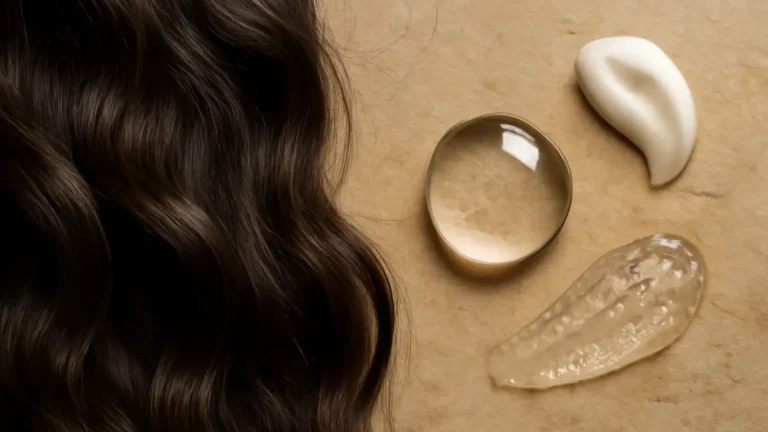
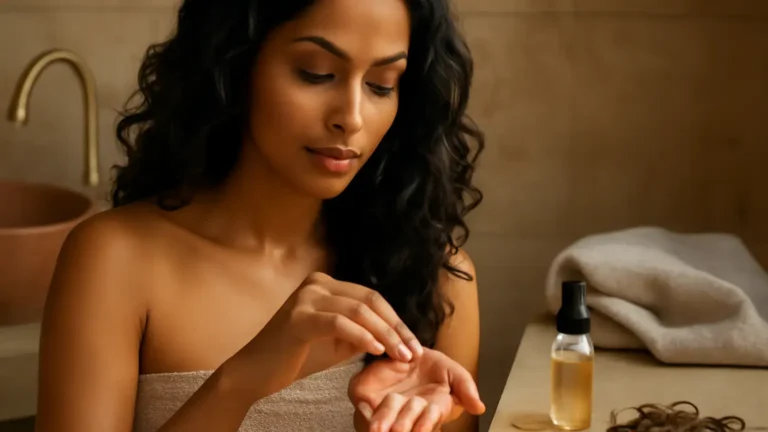
Seasonal hair care for November travel is easiest when you pack a flexible wash-and-protect system rather than several climate-specific products. This routine suits anyone moving between humid Indian cities, dry interiors, cool hill stations or sunny overseas destinations. Use a gentle cleanser, lightweight conditioner, leave-in detangler, heat and UV protection, plus one adaptable hairstyle. The result is calmer scalp comfort, fewer knots and less breakage without overloading a small suitcase.
November can expose your hair to several conditions in one trip: coastal humidity, dry hotel air, strong sun, cooler mornings, hard water and frequent heat styling. Hair does not need a completely different routine for each location, but it does need adjustable amounts of cleansing, moisture and protection.
The most useful principle is simple: keep the product categories consistent and change how often you use them. Wash according to sweat and scalp needs, condition the lengths, detangle while the hair has slip, and protect the hair before sun, swimming or heat styling. This makes a practical November travel hair routine for both Indian and international itineraries.
Build a climate-flexible travel kit
A compact kit should solve five jobs: cleansing, conditioning, detangling, styling and protection. Decant suitable products into clearly labelled travel containers, and check airline liquid rules before flying. Choose formulas based on your hair’s usual behaviour rather than a destination marketing label.
- Cleanser: Pack a gentle shampoo for regular washes. A small clarifying shampoo can help after repeated swimming, heavy styling product use or noticeable residue, but it is not necessary for every wash.
- Conditioner: Select a rinse-out conditioner that gives enough slip for your texture. Fine hair may prefer a lightweight formula, while coarse, curly or chemically treated hair often benefits from richer conditioning.
- Leave-in conditioner: A small amount can reduce friction during brushing and soften dry ends. Use less in humid weather if your hair becomes limp or greasy easily.
- Detangler: A wide-tooth comb or flexible detangling brush is more useful than a dense brush for wet, curly or knot-prone hair.
- Protection: Pack a heat protectant for blow-drying or styling and a hat, scarf or UV protection for hair when you will be outdoors for long periods.
- Accessories: Add soft scrunchies, claw clips, a microfiber hair towel and a silk or satin scarf if these suit your normal routine.
For travel-size hair products, prioritise items you already know your hair tolerates. Travel is a poor time to test a new strong fragrance, intense protein treatment or unfamiliar scalp product.
Adjust cleansing to sweat, water and buildup
There is no universal number of washes for a holiday. Wash when the scalp feels sweaty, oily, uncomfortable or coated with product. If you are in a dry climate and not sweating much, extending the interval may prevent unnecessary dryness. In a humid destination, more frequent gentle cleansing can feel better than trying to suppress oil with layers of dry shampoo.
When to use a clarifying wash
A clarifying shampoo is useful occasionally after salt water, chlorine, mineral-heavy water or several days of styling products. Follow it with a conditioner on the lengths. Do not use it automatically every day: frequent clarifying can leave some hair feeling rough, especially if it is curly, bleached or already dry.
If you are travelling through areas with different water quality, rinse thoroughly and avoid very hot water. A portable shower filter may be useful for some travellers, but it is not essential and does not replace normal cleansing.
Condition for the climate you are actually in
Conditioner should usually be applied from the mid-lengths to the ends, where friction and dryness are most noticeable. Keep heavier formulas away from the scalp unless your normal routine specifically calls for them.
In a dry climate, use enough conditioner to make detangling easy and consider a small amount of leave-in conditioner after washing. Air-conditioned hotel rooms can also make the lengths feel drier even when the outdoor weather is mild. In humid weather, choose a lighter layer and avoid repeatedly adding oils or creams over already coated hair. Too much product can make hair look greasy without solving frizz.
Hair care for changing climates works best when moisture is balanced with film-forming protection. If your hair feels rough and catches on clothing, add conditioning. If it feels limp, sticky or difficult to refresh, reduce leave-in and styling layers before adding another product.
Detangle with less pulling and breakage
Detangling curly hair while travelling is easier when you work in sections and use water or conditioner for slip. Do not drag a brush from the roots through a large knot. Separate the hair with your fingers first, then use a wide-tooth comb from the ends upwards.
- Gently squeeze excess water from the hair after washing; do not twist it tightly.
- Apply conditioner or a small amount of leave-in conditioner to the lengths.
- Divide thick or curly hair into two to four sections.
- Loosen knots at the ends before moving towards the roots.
- Let the hair dry in a low-tension style, or use a diffuser on a moderate setting if that is part of your usual routine.
A microfiber hair towel can reduce rough rubbing compared with vigorous towel-drying. A soft cotton T-shirt is another simple option. Neither method prevents all frizz, but both can reduce unnecessary mechanical stress.
Protect hair from sun, heat and travel friction
Sun exposure can leave hair feeling dry and can affect coloured hair’s appearance. A wide-brimmed hat, scarf or shaded breaks provide reliable physical protection. A product labelled for UV protection for hair may be included if you already use one and like its finish; treat it as an addition to physical cover, not a substitute for it.
Before a blow-dryer, straightener or curling tool, use a heat protectant for hair according to its label. Lower or moderate heat and fewer passes are kinder than repeatedly correcting a style. Let hair become mostly dry before using a hot tool, and avoid styling damp hair with an iron.
For flights, long train journeys and overnight buses, loose protective hairstyles for travel can reduce tangling. Try a low braid, loose bun or soft ponytail, keeping the tension comfortable. Avoid sleeping in a tight elastic or securing wet hair tightly, as prolonged dampness and pulling can increase discomfort and breakage.
Quick decisions for common November destinations
| Travel condition | Prioritise | Use cautiously |
|---|---|---|
| Humid coast or tropical city | Gentle cleansing, lightweight conditioner, anti-frizz hair care and loose styles | Heavy oils, multiple cream layers and frequent dry shampoo |
| Dry interior, high altitude or cool weather | Conditioner, leave-in conditioner, gentle drying and protection from wind | Very hot water, daily clarifying and aggressive brushing |
| Sunny beach or outdoor itinerary | Hat or scarf, UV protection for hair, rinse after swimming and conditioning | Long unprotected sun exposure and hot-tool styling on salt- or chlorine-coated hair |
| Air-conditioned hotels and flights | Loose styling, gentle detangling and a small amount of leave-in product | Constantly reapplying oil or dry shampoo to mask dryness |
Common mistakes to avoid on the road
- Changing everything at once: New shampoo, mask, colour product and styling cream make it difficult to identify what is causing irritation or buildup.
- Skipping conditioner because of humidity: Humid air does not automatically mean the hair is moisturised. Use a lighter conditioner rather than removing conditioning altogether.
- Brushing dry curls aggressively: This can increase frizz and pulling. Detangle with moisture and slip where possible.
- Sleeping with wet hair tied tightly: Allow it to dry as much as practical and use a loose style.
- Ignoring the scalp: Sweat, hats and product buildup can make the scalp feel uncomfortable. Cleanse gently and seek professional advice if persistent or severe symptoms develop.
A simple seven-day travel rhythm
On arrival, wash if the hair or scalp feels sweaty or coated, then condition and detangle carefully. On the next day, refresh with water or a small amount of leave-in conditioner if the hair needs it; do not automatically add more styling product. After swimming or heavy sweating, rinse promptly and cleanse when needed. Every few days, reassess: oily or coated hair may need a gentle wash, while dry hair may need more conditioning and less heat.
This flexible rhythm is more reliable than following a fixed calendar. Your hair texture, scalp comfort, activity level and water quality should decide the next step.
Takeaway
The best seasonal hair care for November travel is a small, adaptable system: gentle cleanser, suitable conditioner, leave-in detangler, wide-tooth comb, heat and sun protection, plus a low-tension hairstyle. Increase cleansing after sweat or buildup, increase conditioning in dry conditions, and reduce product layers when humidity makes hair limp. If you develop ongoing scalp irritation, marked shedding, painful areas or another concerning change, consult a dermatologist rather than trying to manage it only with travel products.
Products that may help with this routine
Choose only what fits your skin, hair or personal needs. Use the links below to view current options on Amazon India.
Frequently Asked Questions
What hair products should I pack for November travel?
Pack a gentle shampoo, conditioner, leave-in conditioner or detangler, wide-tooth comb, heat protectant, a hat or scarf, soft hair ties and a microfiber towel. Add clarifying shampoo only if you expect swimming, heavy styling or mineral-heavy water.
How do I care for my hair when travelling between humid and dry climates?
Keep the same basic routine but adjust product quantity and wash frequency. Use lighter conditioner and fewer leave-in layers in humidity; use more conditioning, gentle drying and wind protection in dry climates.
What is the best November travel hair routine for Indian weather?
Wash according to sweat and scalp comfort, especially in humid cities; condition the lengths, detangle with slip, protect hair from strong sun and use a loose braid or bun during transit. In cooler or drier areas, reduce harsh cleansing and add a small amount of leave-in conditioner.
How often should I wash my hair while travelling?
Wash when the scalp feels sweaty, oily, uncomfortable or coated with product. Some travellers may need cleansing every day in hot, humid conditions, while others can wait longer in cool, dry weather. There is no fixed travel schedule for every scalp.
How can I protect my hair from sun and heat on holiday?
Use a hat, scarf or shade for physical cover, rinse hair after swimming, apply a heat protectant before hot tools and limit high-temperature styling. A hair product labelled for UV protection can complement, but not replace, physical protection.
How can I detangle curly hair while travelling?
Work in sections on damp hair with conditioner or leave-in product. Loosen knots from the ends upwards using your fingers or a wide-tooth comb, then dry gently in a loose style rather than pulling the hair tight.