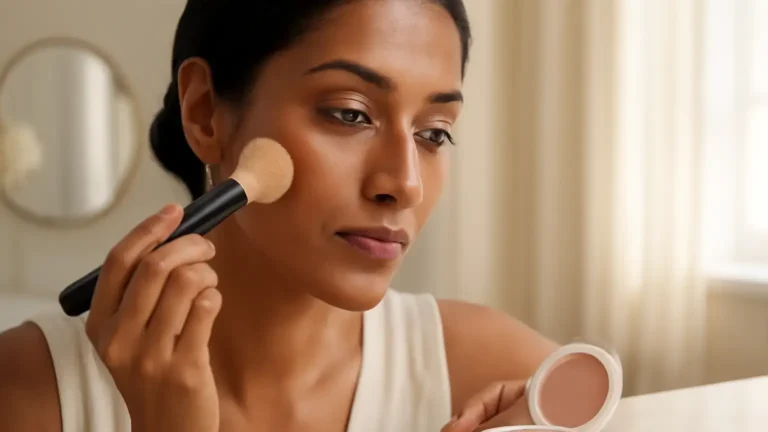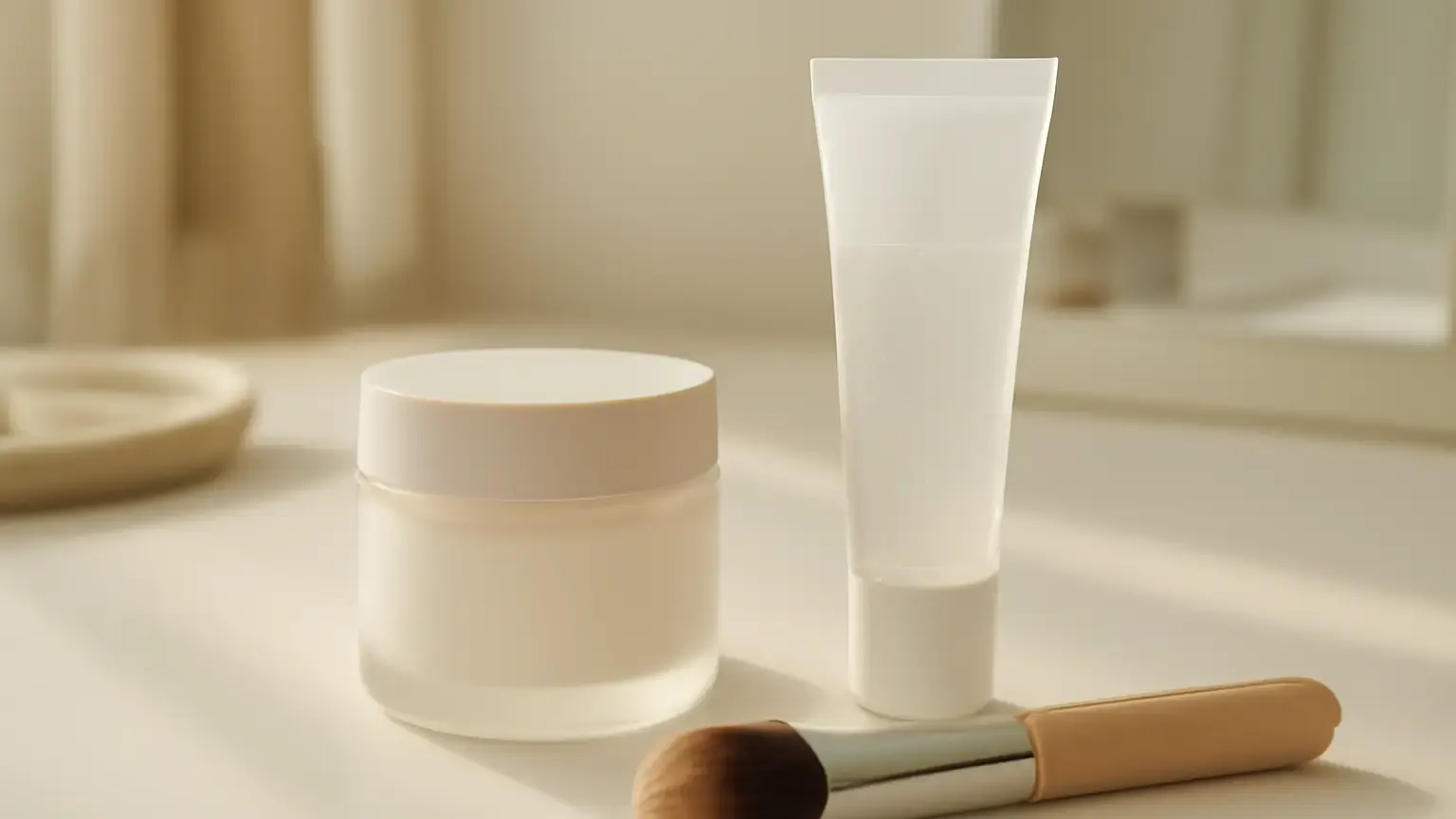
Makeup primer vs moisturizer is not an either-or choice for everyone: moisturizer supports comfortable, balanced skin, while primer adjusts how makeup sits and lasts. This guide is for anyone deciding what to apply before foundation, especially in India’s heat and humidity. Use moisturizer first, allow it to settle, then add primer only where your skin, foundation formula or occasion needs extra smoothing, oil control or wear time.
Moisturizer and primer can both make the skin feel smoother, but they are designed to solve different problems. A moisturizer is skincare: it adds hydration and helps reduce tightness or rough-looking flakes. A primer is makeup preparation: it can create a more even surface, reduce visible shine, blur the look of pores and help base products apply consistently.
That difference makes the decision simpler. Most people benefit from moisturizer, while not everyone needs primer. If your foundation already blends well, looks comfortable and lasts through your usual day, adding another layer may not improve the result.
What does moisturizer do before makeup?
A face moisturizer helps the skin feel flexible before makeup. When skin is dehydrated, foundation can catch on dry areas, look uneven around the nose or make fine surface texture more noticeable. Moisturizer does not create a guaranteed smooth canvas, but it supports a comfortable skin prep routine and can make complexion products easier to spread.
Choose the texture according to your needs:
- Dry or tight skin: A richer cream can support dry skin makeup, particularly on the cheeks. Use a thinner layer around the forehead or nose if those areas become shiny.
- Combination skin: Apply more product where the skin feels dry and less where foundation tends to move.
- Oily skin: Do not automatically skip moisturizer. A lightweight lotion or gel can provide hydration without leaving a heavy film.
- Sensitive or easily reactive skin: Keep the routine familiar on makeup days and avoid introducing several new products at once.
Moisturizer is not a substitute for sunscreen. In daytime, use a broad-spectrum sunscreen appropriate for your skin after skincare and before makeup, allowing it to settle before applying complexion products.
What does makeup primer do?
Primer is an optional complexion step that changes the way makeup behaves. Some formulas smooth the look of pores and texture; others reduce shine, add glow or provide extra slip. A hydrating primer can make a dry-looking base appear more comfortable, while a mattifying primer may help control surface shine in areas that become oily during the day.
Primer is most useful when it has a specific job:
- Visible pores and texture: A smoothing or blurring formula can soften their appearance, particularly on the centre of the face. It will not remove pores or permanently change skin texture.
- Oil movement: A mattifying primer can be applied just to the forehead, nose and chin rather than across the entire face.
- Extra makeup longevity: Primer may be useful for long workdays, weddings, performances, travel or humid outdoor events.
- Finish adjustment: A luminous product can support dewy makeup, while a shine-controlling formula can make a naturally glossy foundation look more balanced.
Primer is not always a treatment for dryness or oiliness. It is a cosmetic layer, so judge it by the finish and wear it creates rather than by claims that it will transform the skin.
Primer or moisturizer first?
The usual answer to “primer or moisturizer first” is moisturizer first, primer second. Apply skincare to clean skin, let it settle, then use primer before foundation. This order gives the moisturizer time to support comfort without asking the primer to replace it.
- Cleanse gently, or refresh the skin if you have already cleansed and your routine does not need another wash.
- Apply your usual skincare, including a small amount of face moisturizer.
- Apply sunscreen in the morning, if it is part of your routine.
- Wait until the surface feels settled rather than wet or slippery.
- Press or spread a thin layer of primer where it is needed.
- Apply foundation using your preferred brush, sponge or fingers, without repeatedly rubbing the layers underneath.
There are exceptions. Some combination products are designed to combine hydration and priming, and some makeup artists may use a targeted primer before a lighter moisturising product for a particular technique. For everyday use, however, skincare first and makeup second is the easier rule to follow.
How long should you wait between moisturizer and primer?
There is no universal timer because formulas and weather differ. In many routines, waiting about one to five minutes is enough. The better test is how the surface feels: it should be comfortable and lightly hydrated, not visibly wet, greasy or prone to rolling.
In hot and humid conditions, a heavy moisturizer may take longer to settle. Use less product rather than waiting indefinitely. If sunscreen is included, give it enough time to form an even layer according to its label and your routine. A fan or vigorous rubbing is not necessary; gentle pressing with clean hands is usually more helpful.
When is primer worth using?
For oily skin and long days
For oily skin makeup, a targeted mattifying primer can be worthwhile on areas where foundation tends to break apart. Apply a small amount after moisturizer and let it settle. Using a thick mattifying layer everywhere can make the base look flat or cause dryness on the cheeks.
For dry patches or a luminous finish
With dry skin makeup, a comfortable moisturizer is usually the priority. A hydrating primer may help if the foundation still looks tight after skincare, but avoid stacking several rich layers. Too much slip can make foundation slide or separate around the nose and mouth.
When pores or texture are your main concern
A silicone-based primer can create a silky surface and visually soften the look of pores. Work it into the affected area with a light pressing motion instead of dragging it across the whole face. Start with a small amount because excess product can contribute to foundation pilling.
When the foundation formula is the deciding factor
Consider the base product before adding primer. A water-based foundation may sit best over lightweight, compatible layers, while a very emollient foundation may need less additional slip. Compatibility is not determined by one ingredient label alone, but mismatched textures are more likely to roll, separate or feel heavy.
Test the combination on one side of the face. If the foundation blends evenly, does not ball up and remains comfortable after a few hours, the pairing is probably working. If it pills, wait longer, reduce the amount or remove the unnecessary layer.
When can you skip primer?
You can usually skip primer when your moisturizer and foundation already provide the finish you want. It may be unnecessary for a short errand, a sheer skin tint, a naturally balanced skin day or a routine with several layers that already feel comfortable. Skipping it can also help if your base regularly looks thick, shiny or congested after layering.
You may also skip it when the foundation is specifically designed to offer smoothing, hydration or long wear on its own. Apply the foundation over settled skincare and assess the result in natural light. The purpose of makeup is not to complete a fixed number of steps; it is to achieve the finish and comfort you prefer.
Do you need primer after moisturizer?
Do you need primer after moisturizer? Only if it solves a visible or practical problem that moisturizer does not. Primer can be useful for targeted oil control, a smoother-looking finish or a long occasion, but it is not a mandatory final step in every skin prep routine.
Use this quick decision guide:
- If your skin feels tight or flaky, improve moisturization first.
- If the base looks shiny quickly, try a small amount of mattifying primer only in those areas.
- If pores and texture are more noticeable, test a smoothing primer where needed.
- If makeup fades because of a long day or humid event, primer may add useful support.
- If your foundation already looks even and wears well, leave primer out.
Common mistakes with primer and moisturizer
- Using too much: More product does not automatically mean better hydration, smoothing or wear. Thin layers are easier to combine.
- Skipping moisturizer because of oily skin: This can leave the surface uncomfortable and encourage an uneven-looking base.
- Applying primer over wet skincare: The layers can mix, move or pill instead of forming a stable surface.
- Priming the entire face by habit: Different zones may need different approaches.
- Changing every product before an event: Test new combinations beforehand, especially if your skin is reactive.
- Expecting primer to fix unsuitable foundation: Shade, coverage, formula and application technique still matter.
Makeup primer vs moisturizer: the simple takeaway
In the makeup primer vs moisturizer comparison, moisturizer is the comfort and hydration step; primer is the optional performance and finish step. Apply moisturizer first, wait until it settles, then use a thin, targeted layer of primer if you need smoothing, shine control or extra makeup longevity. If your foundation already looks good over skincare, skipping primer is a sensible choice rather than a missed step.
If persistent redness, burning, swelling, itching or severe irritation occurs after using a cosmetic, stop using the suspected product and seek advice from a qualified dermatologist or doctor.
Products that may help with this routine
Choose only what fits your skin, hair or personal needs. Use the links below to view current options on Amazon India.
Frequently Asked Questions
Should I use moisturizer or primer first?
Use moisturizer first. Let it settle, apply sunscreen in a daytime routine, then use primer before foundation if you need extra smoothing, oil control or wear time.
Do I need primer after moisturizer?
Not always. Primer is optional and is most useful when you want to manage shine, soften the look of pores and texture, adjust the finish or extend makeup wear.
How long should I wait between moisturizer and primer?
Usually one to five minutes is enough, but rely on the surface feel. Apply primer when the moisturizer no longer feels wet or slippery and the skin is still comfortable.
Is primer necessary before foundation?
No. If foundation applies evenly and lasts well over settled skincare, you can skip primer. Add it only when it solves a specific finish or longevity concern.
What is the best primer for oily skin and makeup?
A lightweight mattifying primer may suit areas that become shiny, such as the forehead, nose and chin. Apply a small amount and avoid over-mattifying dry areas.
Can I use primer without moisturizer?
You can, but primer does not replace skincare hydration. Most people should use a suitable moisturizer first, especially if the skin feels tight or foundation catches on dry patches.