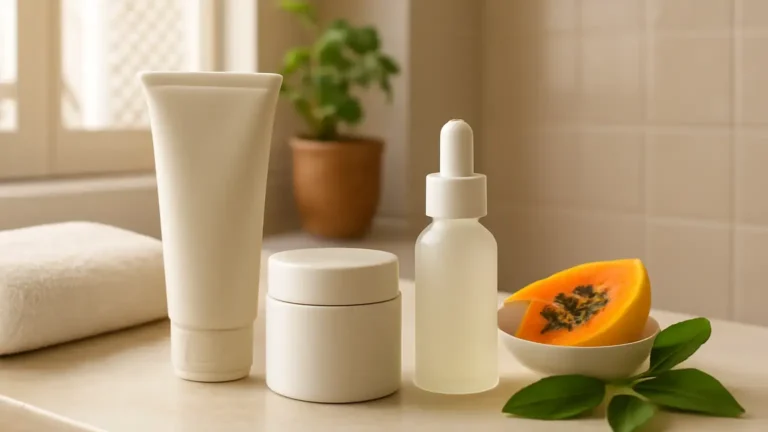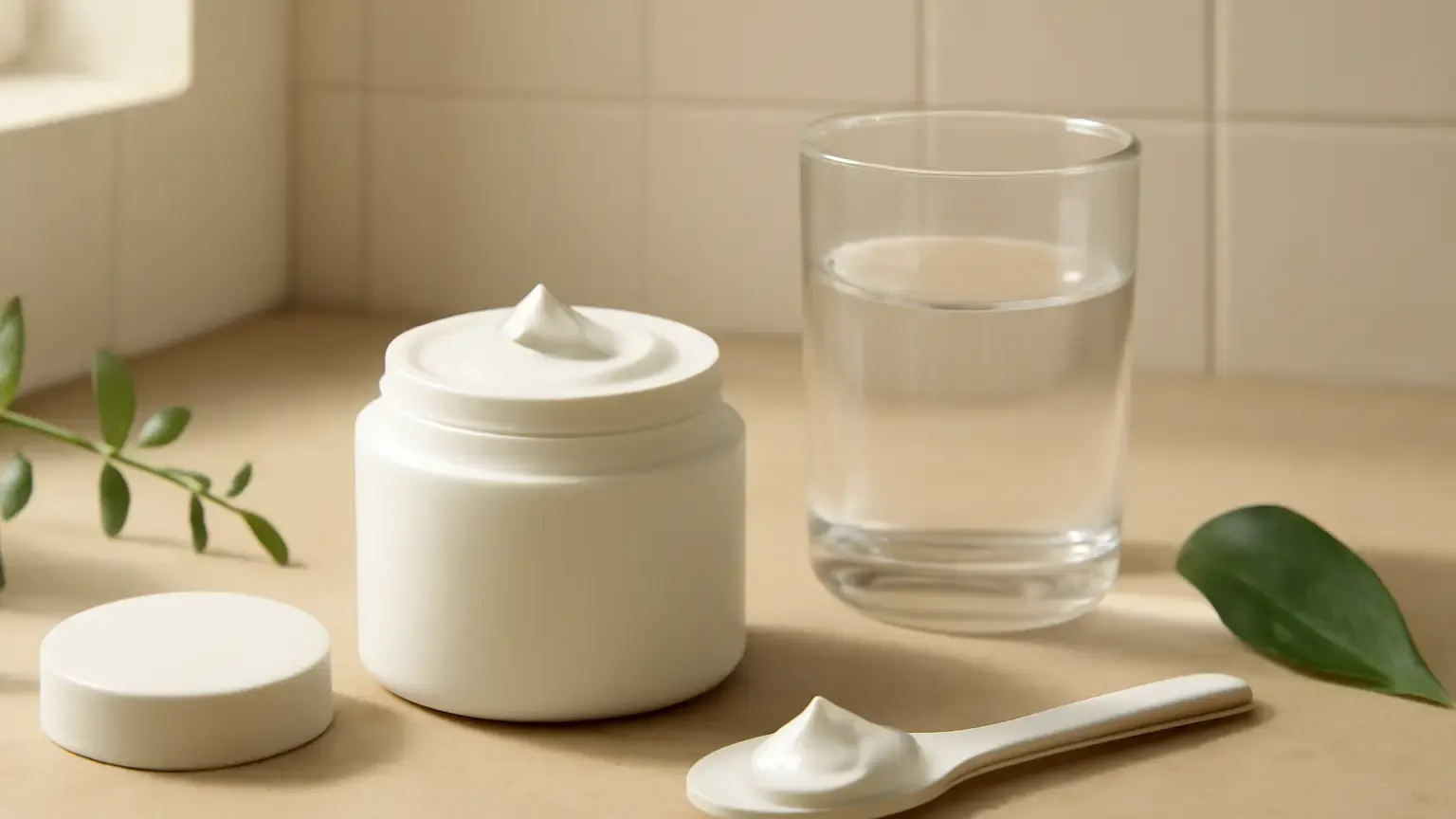
Glowing Skin and Ceramides work best together when the goal is skin that looks fresh because it feels comfortable, not simply shiny. Apply a water-binding humectant first when needed, follow with a ceramide moisturiser, and finish with sunscreen in the morning. Choose a gel-cream for humid weather or oilier skin, and a richer cream when your barrier feels dry or rough.
Glowing Skin and Ceramides are a practical pairing when dryness, tightness or dehydration is making the complexion look dull. Ceramides do not create instant brightness like a reflective makeup product. Instead, they support the outer skin barrier so it can hold on to water more effectively. With consistent use, skin may feel more comfortable and look smoother.
A simple approach is to apply a gentle hydrating layer first if your skin needs it, follow with a ceramide moisturiser, and use broad-spectrum sunscreen in the morning. The best texture depends on your climate, skin feel and the rest of your routine.
What ceramides do for a smoother-looking complexion
Ceramides are naturally occurring lipids found in the outer layer of skin. In skincare, they work alongside other lipids, including cholesterol and fatty acids, to support the skin barrier. This outer layer helps reduce unnecessary water loss and protects skin from everyday environmental stress.
When the barrier is not well supported, skin may feel rough, tight or uncomfortable after cleansing. It may also show more visible flaking or fine dehydration lines. A product containing ceramides can support skin barrier repair and moisture retention, although it should not be treated as a cure for a skin condition.
This is why ceramides for glowing skin are best understood as a comfort-and-smoothness strategy rather than a quick radiance treatment. If your skin is persistently red, painful, burning, severely flaky or affected by a rash, consult a dermatologist or doctor rather than relying only on beauty products.
Where ceramides fit in a skincare routine
A ceramide product usually belongs in the moisturising step. It may come as a lotion, gel-cream, face cream or sleeping mask. The general order is from the lightest product to the richest:
- Cleanser: Use a gentle cleanser, particularly if your skin feels tight after washing.
- Hydrating layer: Apply a serum or essence containing humectants for skin, such as glycerin, hyaluronic acid or panthenol, if you need extra water-based hydration.
- Ceramide moisturiser: Apply enough to leave the skin comfortable without a heavy or sticky film.
- Sunscreen in the morning: Finish with broad-spectrum sunscreen.
This order answers the common question, what to apply before ceramide moisturizer? A hydrating serum can go first, but it is optional. If the moisturiser already contains glycerin or other humectants, cleanser followed by moisturiser may be enough. A straightforward hydrating skincare routine is often easier to maintain than a routine with too many layers.
How to pair ceramides with humectants
Humectants attract water to the skin’s surface, while moisturisers containing ceramides support the barrier and help reduce the feeling of moisture escaping too quickly. Together, they address different parts of a hydration routine.
A simple hydration pairing
On slightly damp skin, apply a thin layer of a product containing glycerin, hyaluronic acid or another suitable humectant. Follow promptly with a ceramide moisturiser. This can make sense for dehydrated skin that feels tight but does not necessarily need a thick cream.
More layers do not always mean more hydration. In hot, humid Indian weather, several watery products under a thick cream can feel tacky or congested. One humectant layer and a lightweight ceramide moisturizer may be more practical. In dry indoor air or winter conditions, a richer cream may help maintain comfort for longer.
Can ceramides be used with hyaluronic acid? Yes, they are generally complementary in a basic routine. Hyaluronic acid is a humectant, while ceramides are barrier-supporting lipids. Introduce one new product at a time if your skin is reactive, so you can identify what suits you.
Choosing the right texture for Indian skin
Texture should be selected according to your climate, skin feel and the rest of your routine—not only whether your skin is labelled dry or oily.
| Skin feel or situation | Texture to consider | How to use it |
|---|---|---|
| Oily or combination skin in humid weather | Light lotion or gel-cream | Use a thin layer after cleansing or a hydrating serum. |
| Oily but tight or dehydrated skin | Lightweight barrier moisturiser | Choose hydration without an overly waxy or occlusive finish. |
| Normal skin with occasional dryness | Medium cream | Use a smaller amount during the day and more at night if needed. |
| Dry, rough or seasonally uncomfortable skin | Richer cream or balm | Apply over damp skin, especially in the evening. |
An oily skin moisturizer does not have to be completely oil-free to feel comfortable, and dry skin does not automatically need the thickest product available. If you are planning a dry skin care routine, choose a cream that reduces tightness without leaving a finish you dislike.
A gel cream moisturizer can work well for oily or combination skin, especially in warm weather. A medium or rich cream may suit dry areas, cooler weather or air-conditioned rooms. If a product feels greasy, you may be applying too much, or the formula may not suit your climate.
A practical ceramide skin care routine India guide
Morning routine
- Cleanse gently, or rinse with water if your skin is comfortable with that approach.
- Apply a hydrating serum only if your skin benefits from the extra layer.
- Use a gel-cream or cream containing ceramides.
- Apply adequate broad-spectrum sunscreen and reapply as appropriate for outdoor exposure.
For a morning skincare routine, keep the finish practical. A lighter moisturiser can sit more comfortably beneath sunscreen, especially in warm and humid regions. If your sunscreen is already moisturising, use a smaller amount of face cream rather than skipping comfort altogether.
Daily sunscreen for glowing skin matters because UV exposure can contribute to a less even-looking complexion and visible signs of environmental stress. Moisturiser cannot replace sunscreen, so treat the two steps as complementary rather than interchangeable.
Night routine
- Remove sunscreen and makeup thoroughly but gently.
- Use a hydrating layer if the skin feels tight after cleansing.
- Apply your ceramide moisturiser to the face and, if suitable, the neck.
A night skincare routine is often the best time to use a richer formula because there is no need to layer it under makeup or sunscreen. You can also apply it only to dry areas if the centre of the face becomes oily.
How to choose a comfortable ceramide formula
Look beyond the ingredient name and consider the complete formula. A product may contain ceramides but still feel too heavy, fragranced or unsuitable for your climate. If your skin is easily irritated, fragrance-free skincare may be a sensible preference, particularly when you are simplifying your routine.
Choose a lighter formula when your skin is comfortable but you dislike residue, when the weather is humid, or when you are layering sunscreen and makeup. Choose a richer formula when cleansing leaves your face tight, when dry patches are visible, or when air-conditioning and cooler weather make skin feel less supple.
It is reasonable to use two textures: a lighter gel cream moisturiser in the morning and a richer cream at night. Another option is to use the richer product only on the cheeks, around the mouth or on other areas that become dry. This targeted approach can prevent the whole face from feeling overloaded.
Common mistakes with ceramide products
- Expecting immediate brightening: Ceramides support hydration and barrier comfort; they are not a substitute for a targeted treatment for uneven tone.
- Using too much: A thick layer is not automatically more effective. Start with a modest amount and add only where needed.
- Ignoring sunscreen: A moisturiser cannot replace daily UV protection.
- Adding many actives at once: Combining exfoliating acids, retinoids and several new products can make it difficult to know what is causing discomfort.
- Choosing only by ingredient name: Texture, fragrance, climate and the complete formula all matter.
If you are building a routine from scratch, start with a gentle cleanser, a suitable ceramide moisturiser and sunscreen. Add a humectant only if your skin still feels dehydrated. Patch testing a new product on a small area can be a sensible precaution, particularly for sensitive skin.
Who is most likely to benefit?
Ceramide moisturisers may suit people with dry or rough-feeling skin, those who experience tightness after cleansing, and anyone wanting a simple barrier-supporting step. They can also be useful for oily skin that feels dehydrated, provided the formula is light enough for the climate and personal preference.
They are not mandatory for every routine, and they do not need to be used in a separate serum, toner and mask. One well-tolerated moisturiser can be enough. The most useful choice is the one that keeps your skin comfortable and helps you maintain a consistent routine.
Takeaway: keep the pairing simple
Glowing Skin and Ceramides are a useful pairing when dull-looking skin is linked to dryness, roughness or dehydration. Use a humectant when you need water-based hydration, follow with a ceramide moisturiser, adjust the texture to your climate and finish the morning with sunscreen. Consistency and comfort matter more than a crowded routine.
Products that may help with this routine
Choose only what fits your skin, hair or personal needs. Use the links below to view current options on Amazon India.
Frequently Asked Questions
How do you use ceramides for glowing skin?
Apply a ceramide moisturiser after cleansing and, if needed, after a humectant serum. Use a lighter layer in the morning under sunscreen and a richer layer at night when skin feels dry. Ceramides support moisture retention and smoothness rather than providing instant brightening.
What is the best ceramide routine for Indian skin?
Start with a gentle cleanser, an optional hydrating serum, a ceramide moisturiser and sunscreen in the morning. In humid weather, choose a gel-cream or light lotion; in dry weather or for dry skin, choose a medium or rich cream.
Can ceramides be used with hyaluronic acid?
Yes. Hyaluronic acid is a humectant that helps attract water, while ceramides help support the skin barrier. Apply the hyaluronic acid product first on slightly damp skin, then follow with a ceramide moisturiser.
Should I use ceramides in the morning or at night?
Ceramides can be used in either routine. A light formula often works well in the morning under sunscreen, while a richer formula may be more comfortable at night. Choose based on texture, weather and how your skin feels.
Are ceramides good for oily dehydrated skin?
They can be. Select a lightweight, non-greasy moisturiser and apply a thin layer. Oily skin can still lack water, so a balanced formula may improve comfort without requiring a heavy cream.
How often should you use ceramides?
They can generally be used daily, once or twice a day, if the product suits your skin. Start once daily when introducing a new formula and reduce use if you notice persistent irritation or discomfort.