Dry Skin Hand Care is most useful for people whose hands feel tight, rough or flaky after repeated washing, sanitiser use, travel or winter weather. The quickest practical approach is to use lukewarm water, a gentle cleanser, moisturise while skin is still slightly damp, and apply a richer barrier balm before bed. Add protective gloves for wet chores and carry a small cream for reapplication, especially during travel or long wedding functions.
Frequent hand washing is important for hygiene, but repeated exposure to water, cleansers, sanitiser and dry air can strip some of the skin’s surface oils. The result may be tightness, rough texture, peeling around the nails or cracked knuckles. A consistent routine can reduce discomfort without making hand hygiene less effective.
Why frequent washing makes hands dry
Every wash temporarily removes sweat, dirt and microbes, but it can also remove part of the lipid layer that helps slow water loss. Hot water, strong surfactants, scrubbing and incomplete drying can increase that tight, dry feeling. Alcohol-based sanitiser can also feel drying, although it remains useful when soap and water are not available.
This does not mean washing less carefully. Instead, make the washing process gentler and replace moisture promptly. If the skin is persistently inflamed, very itchy, painful, oozing or splitting deeply, general beauty care may not be enough; arrange an evaluation with a dermatologist or doctor.
Fix 1: Choose lukewarm water and a gentle cleanser
Lukewarm water hand washing is preferable to very hot water. Hot water may feel comforting in winter, but it can increase dryness and leave the skin feeling tight. Wet your hands, use enough cleanser to cover all surfaces, rub thoroughly, rinse well and pat dry rather than rubbing with a rough towel.
What to look for in a hand wash
A fragrance-free hand wash is a sensible choice when hands are already dry or sensitive. Look for a mild, non-stripping formula and avoid using kitchen dishwashing liquid as a regular hand cleanser. Fragrance is not automatically a problem for everyone, but removing unnecessary fragrance can simplify the routine when irritation is a concern.
After washing, dry between the fingers and around the nails. Dampness trapped in folds can feel uncomfortable, while aggressive towel rubbing can add friction.
Fix 2: Apply hand cream at the right time
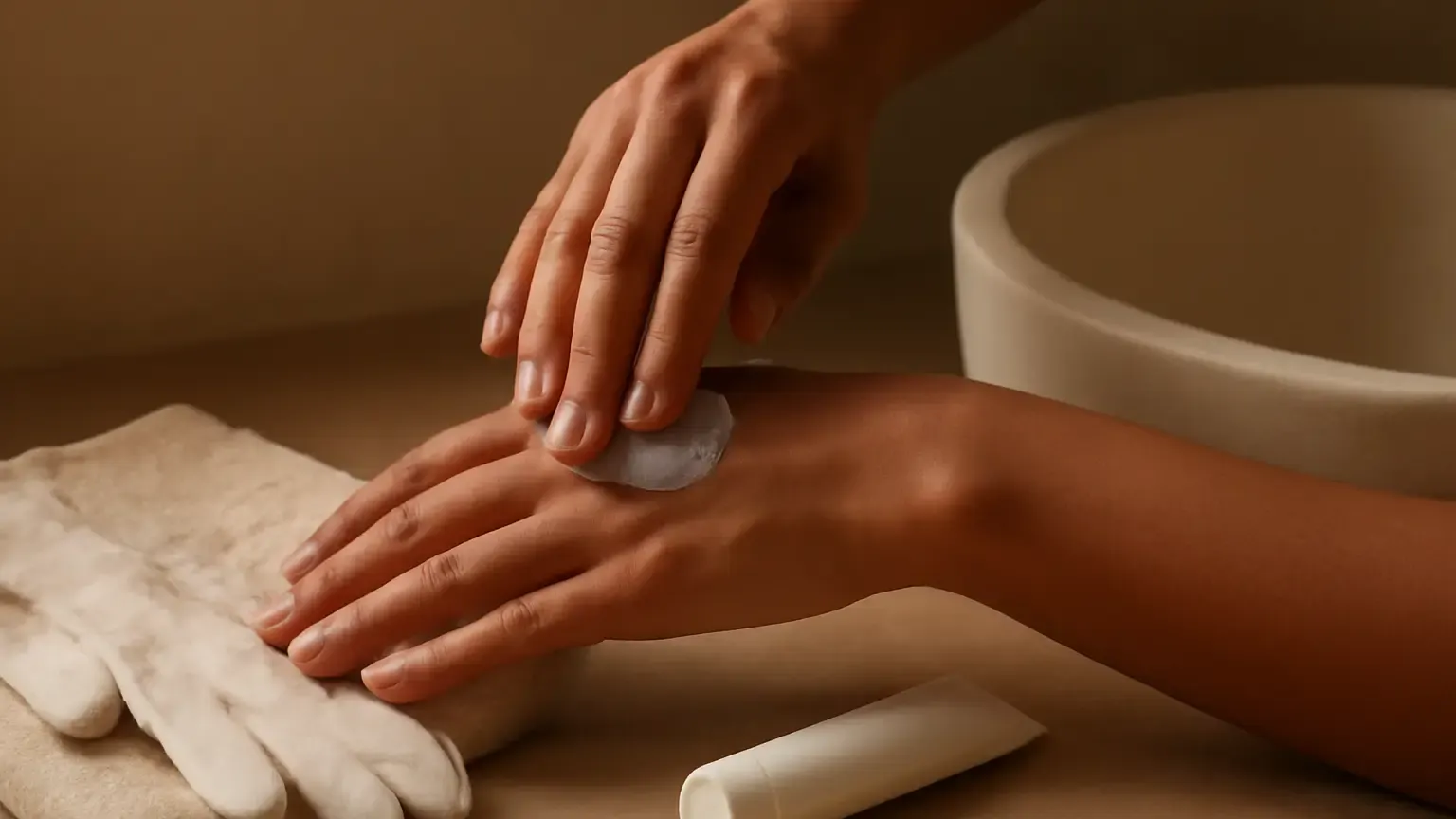
The most useful timing rule is simple: apply hand cream after washing, ideally within a few minutes while the skin still feels slightly damp. This helps hold on to some of the water left on the surface. Reapply whenever hands feel tight, not only at night.
For daytime, choose a cream that absorbs comfortably enough for work, cooking or phone use. For very dry patches, use a thicker balm on the backs of the hands, knuckles and around the nails. Keeping a tube near the sink, in a handbag and beside the bed makes the habit easier to maintain.
How often should you reapply?
There is no universal number because washing frequency and climate differ. Reapply after several washes, after using sanitiser repeatedly, and whenever the skin looks dull or feels stretched. People working in healthcare, hospitality, childcare, kitchens or cleaning may need more frequent applications than someone washing occasionally at home.
Fix 3: Select ingredients that support the skin barrier
The best moisturiser depends on how dry your hands are and whether you need a fast-drying or protective finish. Useful barrier-supporting ingredients include:
- Ceramides: lipid-like ingredients used in many moisturisers to support the skin’s protective surface.
- Glycerin: a humectant that helps attract water to the outer layers of skin.
- Urea: useful in some dry-skin formulas for softening roughness; lower-strength cosmetic products are generally more comfortable for routine use.
- Dimethicone: a smoothing ingredient that can reduce friction and provide a light protective film.
- Petrolatum: an occlusive ingredient that slows water loss and is especially useful for very dry areas.
A ceramide hand cream can suit people who want a daily cream with a lighter cosmetic feel, while a petrolatum hand balm is often better reserved for rough knuckles, cuticles or bedtime because it feels more occlusive. Ingredients are more important than a premium-looking package, and a plain product used consistently is usually more useful than an expensive cream applied rarely.
Fix 4: Build an overnight hand care step
Overnight hand care is practical because there is less washing, typing and contact with surfaces while you sleep. Before bed, wash with lukewarm water if needed, pat dry, then apply a generous layer of cream. Press an occlusive balm over the driest areas rather than spreading a heavy layer across every surface if that feels uncomfortable.
Are cotton gloves useful?
Cotton gloves for dry hands can help keep a moisturising layer in place and prevent cream from rubbing onto bedding. Use clean, breathable gloves that fit comfortably, and stop if they make your hands sweaty or irritated. Gloves are optional; they are not required for a good routine. Never use a damp or unwashed pair, and do not cover skin that appears infected or is producing fluid without professional advice.
Fix 5: Protect hands during travel and special functions
A small travel hand care kit can prevent a dry-skin flare-up when moving between air-conditioned rooms, dry hotel rooms, airports and frequent sanitiser use. Pack a travel-size fragrance-free hand wash if suitable facilities are uncertain, a moisturising cream, a richer balm for night and a few adhesive dressings for minor friction spots. Keep the cream in an accessible pouch rather than buried at the bottom of luggage.
Travel decisions that make a difference
- Use sanitiser when appropriate, then moisturise once it has fully dried.
- Do not apply greasy balm immediately before handling shared devices, food or delicate fabrics.
- Use reusable protective gloves for wet cleaning or dishwashing, with cotton liners if comfortable and if hands are not sweaty.
- Reapply after a flight, long road journey, hotel-room hand washing or repeated sightseeing stops.
For hand care for wedding functions, apply a non-greasy cream at least 15–20 minutes before makeup, photography or jewellery styling so the finish has time to settle. Carry a small tube for discreet use after hand washing. If you are handling floral arrangements, cosmetics, food or décor, choose a formula that leaves minimal slip. Gloves can be useful for travel to and from the venue or while doing wet preparation, but they are not practical for every ceremony or social setting.
A simple dry hands care routine
Use this sequence morning and night, adjusting it to your schedule:
- Wash with lukewarm water and a mild cleanser when cleansing is needed.
- Pat hands dry, including between the fingers.
- Apply a comfortable cream while the skin is slightly damp.
- Reapply after washing, sanitiser use or any activity that leaves hands tight.
- At bedtime, add a thicker balm to knuckles, fingertips and cuticles.
- Use protective gloves for prolonged wet work, and clean and dry them fully between uses.
For winter hand care for dry skin, move the richer cream to daytime as well, especially in cold, dry weather or indoor air conditioning. Avoid relying on hot water for comfort, picking peeling skin or using harsh scrubs to remove flakes. These habits can increase friction and make the surface more uncomfortable.
When a basic routine may not be enough
Dryness caused by weather or washing often improves with gentler cleansing and regular moisturising, but not every hand problem is simple dryness. Seek medical guidance for persistent redness, swelling, severe itching, painful cracks, bleeding, blisters, pus, spreading irritation or symptoms that interfere with sleep and daily work. A professional can distinguish irritation from conditions such as contact dermatitis or hand eczema and suggest appropriate care without asking you to stop prescribed treatment.
Quick takeaway
Effective Dry Skin Hand Care is built around five decisions: choose lukewarm water, cleanse gently, moisturise soon after washing, use barrier-supporting ingredients and protect the skin overnight and during wet or high-contact activities. Keep the routine easy to repeat, then increase cream frequency during winter, travel or long functions.
Products that may help with this routine
Choose only what fits your skin, hair or personal needs. Use the links below to view current options on Amazon India.
Frequently Asked Questions
How do you care for dry hands from frequent washing?
Use lukewarm water, a gentle fragrance-free cleanser and a soft towel. Apply hand cream while the skin is slightly damp, reapply after washing or sanitiser use, and use a richer balm overnight. Wear protective gloves for prolonged wet work.
When should I apply hand cream after washing hands?
Apply it within a few minutes of washing, once the hands are patted dry but still slightly damp. Reapply whenever the skin feels tight, particularly after repeated washing, sanitiser use or exposure to dry air.
What ingredients help dry cracked hands?
Petrolatum, glycerin, ceramides, dimethicone and suitable urea-based formulas can help reduce water loss and soften rough skin. Choose a fragrance-free product if the hands are easily irritated, and seek medical advice for deep, painful or persistent cracks.
What is the best hand cream for dry skin in winter?
A richer fragrance-free cream or balm containing ingredients such as petrolatum, ceramides, glycerin or dimethicone is usually more protective than a very light lotion. Choose a texture you will reapply consistently and use it after washing and before bed.
How can I protect my hands while travelling?
Carry a small hand cream, a richer night balm and, if useful, a gentle cleanser in an accessible travel pouch. Moisturise after sanitiser has dried, reapply after repeated washing and use protective gloves for wet or cold activities.
Should I wear cotton gloves overnight for dry hands?
Cotton gloves are optional. They may help keep balm in place, but they should be clean, breathable and comfortable. Remove them if hands become sweaty or irritated, and avoid covering skin that is oozing or appears infected without professional advice.