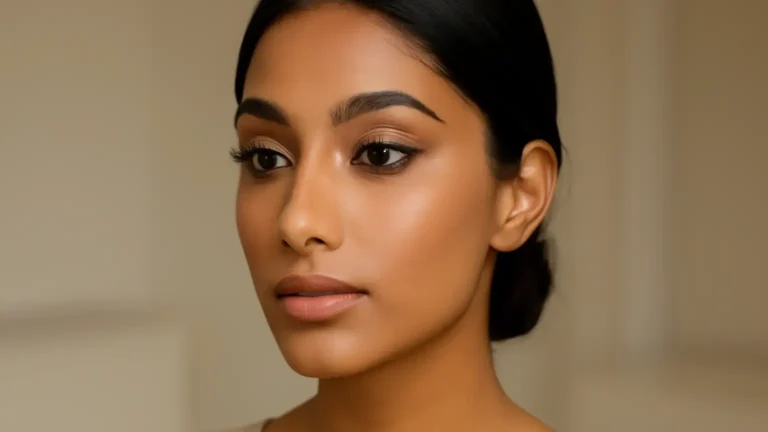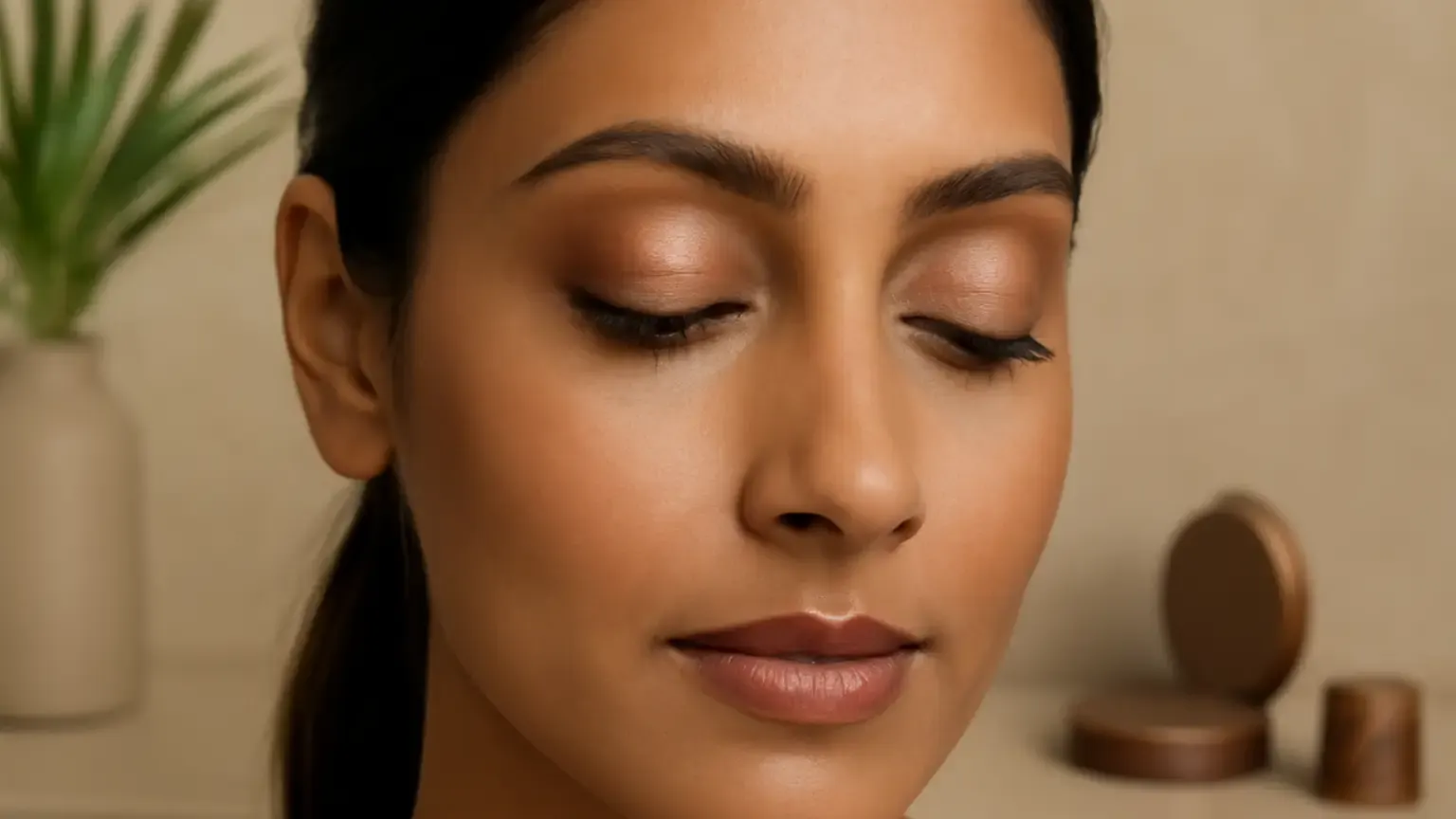
makeup for oily eyelids works best when you match the base to your oil level and the finish you want. For anyone dealing with humid Indian weather, a thin eyelid primer plus a light veil of powder is the most reliable starting point; powder shadow then gives the longest wear. Cream shadow can still work, especially for a soft one-shadow look, but it needs the right formula and a controlled application. The goal is comfortable, even colour without heaviness or transfer.
What works best for oily eyelids?
There is no single winner between primer, powder and cream shadow. The best choice depends on how quickly your lids become shiny, whether your eyelids fold over themselves, and whether you prefer a matte, satin or glossy finish.
- Use an eyelid primer when you need a smooth, grippy surface and your shadow usually fades or slides.
- Use setting powder when your lids are very oily or you want to reduce tackiness before applying colour.
- Choose powder eyeshadow for the most dependable wear in heat, humidity and long working days.
- Choose cream eyeshadow for speed, comfort and a fresh finish, provided it sets down rather than staying emollient.
For many people, the most balanced combination is a small amount of eye makeup base, a touch of translucent powder and a thin layer of powder shadow. Too much product can be as troublesome as too little because several creamy layers give oil more to break down.
Primer versus powder: which base should you use?
When primer is the better choice
An eyelid primer is useful when your lids have uneven texture, visible veins or patchy discolouration. It can create a consistent surface so colour looks more even and requires less blending. A thin, quick-setting formula is generally more comfortable than a thick concealer layer.
Apply a rice-grain amount across each lid, including the area where your eye naturally folds. Keep the layer especially thin near the crease. Wait briefly for it to settle, then press on shadow rather than repeatedly sweeping it across the lid. If the primer remains wet or slippery, it may make creasing worse.
When powder is the better choice
Setting powder is a practical option for very oily lids, particularly if you do not need colour correction. After skincare has absorbed, use a small fluffy brush to press a fine, non-shimmery powder over the lid. Do not heavily bake the area: excess powder can make the skin look dry, emphasise texture and cause shadow to skip.
Primer and powder can be used together, but the order matters. Apply a thin primer, let it settle, then use only enough powder to remove excess tack. If you apply a thick powder layer, the eyeshadow may lose its grip and look dull. This controlled approach supports oil-control makeup without making the eye area feel tight.
Powder shadow or cream shadow for Indian weather?
Why powder shadow is usually the safer everyday option
Powder shadow is often the answer to “what is the best eyeshadow for oily eyelids?” because it is easier to build, blend and refresh without adding much moisture. Matte and satin powders are especially useful for office makeup, commuting and occasions when you cannot check your face frequently.
Press the first layer onto the lid with a flat brush, then blend only the edges. Packing on thin layers is more durable than applying one thick, heavily blended layer. For shimmer, press the product onto the centre of the lid after the matte shade has been placed. This reduces fallout and keeps the finish controlled.
When cream shadow can work
Can you wear cream eyeshadow on oily eyelids? Yes, if it is a setting or long-wear formula rather than a very slick balm-like texture. Cream shadow is convenient for a one-and-done look and can feel less powdery on mature or dry areas around the eye, but it should not remain wet in the fold.
Use a small amount, spread it quickly and stop touching it once it begins to set. If your lids are extremely oily, place a compatible powder shadow over the cream, or use the cream only as a base under powder. Avoid layering cream over a thick, moisturising eye product. That combination is more likely to move, separate or transfer.
How to stop eyeshadow creasing on oily eyelids
- Start with clean, dry lids. Remove sunscreen, face oil or leftover eye cream from the mobile lid with a clean cotton bud or tissue. Do not scrub the delicate skin.
- Use a thin eye makeup base. Apply primer only where colour will sit. Blend the edges so there is no visible ridge.
- Set selectively. Press a very light layer of setting powder over areas that become shiny quickly. Leave a little grip if you are applying powder shadow immediately.
- Build colour in thin layers. Press on pigment first and blend the border second. This helps create crease-proof eye makeup without a thick film.
- Keep the crease relatively matte. Shimmer and metallic products are usually easier to control on the lid than inside the fold itself.
- Allow cream products to set. Keep the eyes relaxed for a minute and avoid repeatedly opening the lid wide while the formula is still wet.
- Check before adding more. If colour has gathered in the fold, gently tap it out with a clean fingertip or small brush rather than applying another layer.
This routine is especially helpful for humid weather makeup, but sweat, skin type and product formula will still affect wear. No base can prevent every crease on every eyelid shape.
Liner placement and finish matter too
How to apply eyeliner on oily eyelids depends on both placement and formula. A thick line across the entire lid can transfer onto the fold, especially with hooded eyes. Start with a thin line close to the upper lash line and gradually thicken only the outer third if you want definition.
Waterproof eyeliner can improve durability, but waterproof does not always mean transfer-proof. Give it time to set, and avoid drawing a heavy line directly in the fold. A pencil smudged softly into the lash line can be more comfortable than a large graphic wing, while a liquid liner can offer sharper definition when the lid is well set.
For an everyday eye makeup for oily eyelids look, place the darkest colour near the lashes, keep the crease softly diffused and reserve shine for the centre of the mobile lid. This makes the makeup look intentional even if a little natural movement occurs during the day.
A simple long-wear routine by oil level
For mildly oily lids
Skip heavy eye cream on the mobile lid, apply a thin primer or a small amount of powder, and use powder shadow. A satin lid with a matte crease is usually comfortable and low-maintenance.
For moderately oily lids
Use primer followed by selective powder, then press on powder shadow. Keep the crease matte and choose a transfer-resistant makeup formula for the liner. Carry a cotton bud for small corrections instead of more powder.
For very oily lids
Use minimal skincare on the lid, a quick-setting primer and a fine powder veil. Choose long-lasting eyeshadow in thin layers and keep cream products to the outer lid or use them under a powder top layer. If the lid feels tight, itchy or uncomfortable, simplify the routine rather than adding more setting products.
Common mistakes that shorten wear
- Applying face moisturiser or sunscreen directly over the mobile lid: these products may leave a slippery surface. Keep them away from the lash line while still applying sun protection around the eye area as directed on the product.
- Using too much concealer: concealer can crease under shadow when it is thick or creamy. Use it for targeted correction, not as an automatic eye base.
- Layering several wet products: cream primer, cream shadow and creamy liner can become a moving stack. Choose one main creamy layer and set it.
- Over-blending: repeated brushing warms and shifts product, creating a thin, uneven layer. Press pigment first and blend with fewer strokes.
- Ignoring the fold: any product placed in a deep fold is more likely to transfer. Keep the highest concentration of shine and thickness on the mobile lid.
The takeaway
For reliable makeup for oily eyelids, begin with a thin primer, set only where needed and favour powder shadow for hot, humid days. Cream shadow is not off-limits: choose a setting formula, apply less than you think you need and top it with powder if your lids crease quickly. Finish with slim liner placement, allow products to set and adjust the routine to your comfort. Persistent itching, redness, swelling or irritation deserves medical advice rather than more makeup experimentation.
Products that may help with this routine
Choose only what fits your skin, hair or personal needs. Use the links below to view current options on Amazon India.
Frequently Asked Questions
Should you use primer or powder on oily eyelids?
Use primer when you need grip, colour correction or a smoother surface. Use a light setting powder when your lids become very shiny. For very oily eyelids, a thin primer followed by selective powder is often the most balanced option.
What is the best eyeshadow for oily eyelids?
A finely milled powder eyeshadow is usually the most dependable choice because it is easy to layer and less likely to remain wet in the crease. A setting cream shadow can also work when applied sparingly.
How do you keep eyeshadow from creasing in humid weather?
Start with clean, dry lids, apply a thin setting primer, powder only the oily areas, and build shadow in light layers. Keep the crease matte and allow cream products to set before opening and closing the eyes repeatedly.
Can you wear cream eyeshadow on oily eyelids?
Yes. Choose a formula that sets, apply a thin layer and avoid placing excess product in the fold. If it still moves, press a compatible powder shadow over it.
How do you apply eyeliner on oily eyelids?
Keep the line close to the upper lashes, build thickness gradually and avoid a heavy line in the natural fold. Let waterproof or long-wear liner set fully before adding more eye products.
Why does eyeshadow crease on oily eyelids?
Natural sebum, heat, sweat, excess skincare, thick base products and eyelid folds can break down or gather makeup. A thinner, better-set routine usually improves wear more than adding multiple layers.