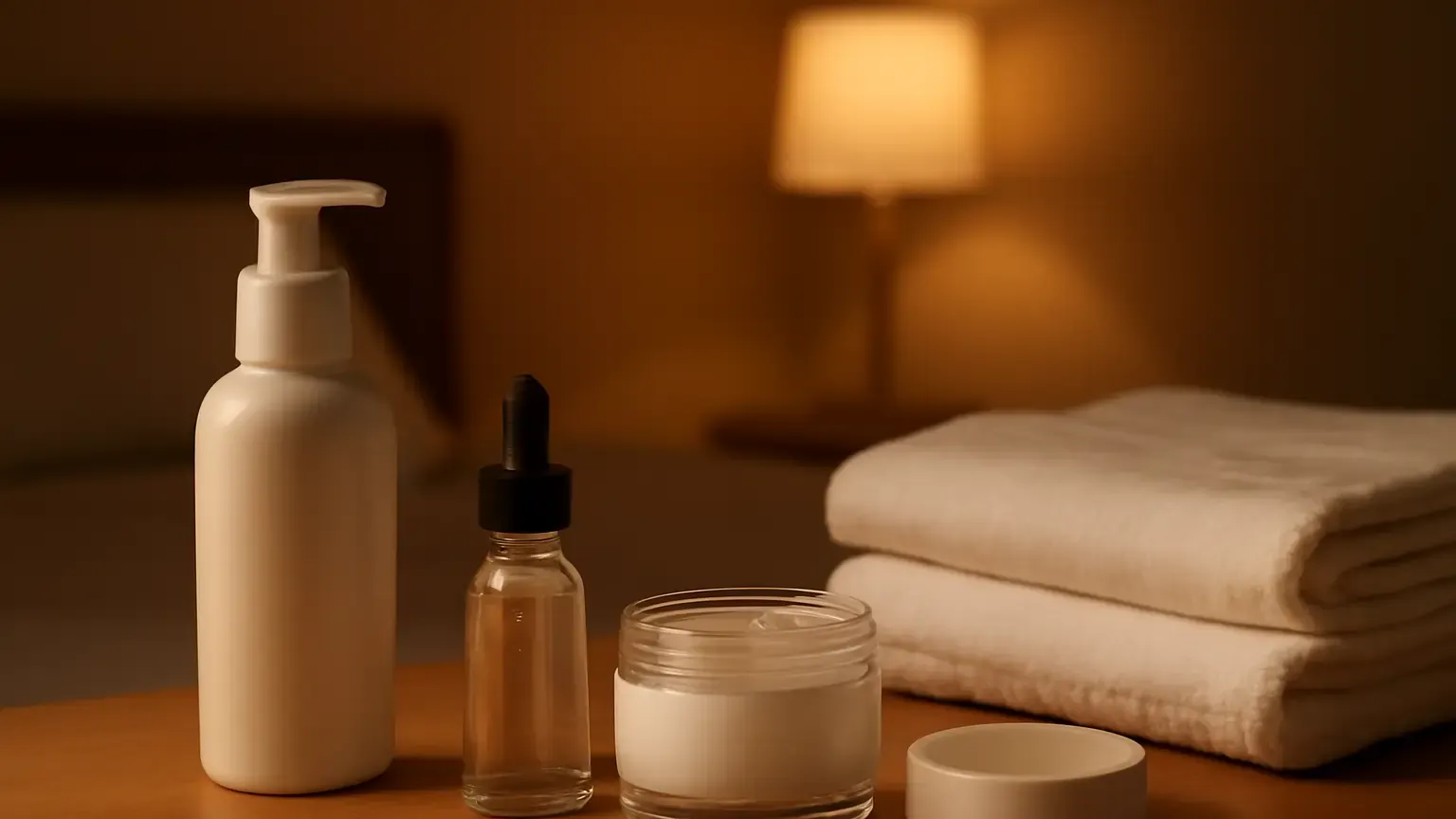
An oily skin night routine works best when it removes excess sebum without stripping the skin. This five-step plan is for people who wake up shiny, deal with clogged pores or live in India’s warm, humid weather. Cleanse thoroughly, use only one targeted treatment when needed, add light barrier-supporting hydration and keep your pillowcase clean. The aim is a calmer, fresher-looking morning—not an aggressively dry face.
What makes an oily skin night routine effective?
Oily skin produces more sebum, the natural oil that helps protect the surface. The problem is not oil itself; it is the combination of excess shine, sweat, sunscreen, makeup, dead skin cells and pollution that can leave the face feeling heavy or congested. A useful evening routine should remove that build-up while keeping the skin barrier comfortable.
The best night routine for oily skin is therefore not the one with the most products. It is a repeatable sequence with a gentle cleanser, one carefully selected treatment, lightweight hydration and sensible hygiene. If your face feels tight after washing, your routine may be too harsh—even if it looks less oily for a few hours.
5 steps for a less greasy morning
1. Remove sunscreen and makeup properly
Begin by taking off makeup, water-resistant sunscreen and visible grime. If you wore several layers of product or spent time outdoors, double cleansing can be useful: first use a suitable cleansing oil, balm or micellar water, then follow with a water-based face wash. Rinse thoroughly and avoid scrubbing with a towel.
Double cleansing is optional, not a rule. On a makeup-free day, one gentle cleanser may be enough. Choose a formula that leaves the face clean but not squeaky, burning or unusually tight. Lukewarm water is preferable to very hot water, which can make cleansing feel more drying.
2. Wash with a gentle, balanced cleanser
Massage cleanser over the face for around 30 to 60 seconds, paying attention to the hairline, sides of the nose and jaw. These areas often collect sweat, sunscreen and sebum. Rinse completely and pat dry with a clean, soft towel.
For oily or combination skin, a low-fragrance or fragrance-free cleanser may be easier to tolerate. A foaming cleanser is not automatically bad, but a very stripping formula can encourage uncomfortable tightness and make you reach for more products. If you are using an exfoliating cleanser, do not automatically pair it with another strong active every night.
3. Choose one targeted treatment
This is the decision-making step in oily face night care. Pick one treatment based on your main concern rather than layering several actives.
- For clogged pores and recurring congestion: salicylic acid skincare may help loosen oil and dead-cell build-up. Start with a lower-strength leave-on product or a suitable cleanser used according to its label.
- For shine and uneven-looking texture: a niacinamide serum can be a simple option, particularly when you want a generally gentle routine.
- For occasional sensitivity: skip active treatment and move directly to moisturiser. Rest days are part of a sensible routine.
Do not use salicylic acid, a strong exfoliating toner, a retinoid and multiple acne treatments together simply because each product sounds useful. Overlapping actives can cause dryness, stinging and peeling. Introduce one product at a time and follow its directions. During the day, use sunscreen, especially if your routine includes exfoliating ingredients.
4. Apply lightweight hydration
Yes, oily skin still needs moisturiser. If you are asking, “should oily skin use moisturiser at night?”, the answer is generally yes. Cleansing and active ingredients can disturb the surface, while skipping hydration may leave the skin feeling tight or uncomfortable.
Look for an oil-free moisturiser or a lightweight gel moisturiser with humectants and barrier-supporting ingredients. A thin layer is usually enough in warm or humid Indian weather. If your cheeks feel dry but your T-zone is oily, apply a little more to the dry areas instead of coating the whole face heavily.
Choose non-comedogenic products where possible if you are prone to congestion, but remember that this label is not a guarantee that every product will suit every person. Patch testing and gradual introduction are still sensible.
5. Improve pillowcase hygiene
Clean skincare cannot compensate for a pillowcase carrying several nights of sweat, hair oil, product residue and dust. Change your pillowcase regularly, especially if you sweat at night or use hair products. Wash it according to the fabric-care instructions and let it dry fully.
Keep hair away from the face when sleeping if it is oily, and avoid going to bed with heavy styling products touching your cheeks or forehead. These small habits support pillowcase hygiene without turning your evening routine into a long checklist.
How to choose products for acne-prone skin
If you have acne-prone skin, the simplest routine is often the easiest to assess. Start with a gentle cleanser, one treatment and a moisturiser. Look for textures that feel comfortable and wash off cleanly rather than choosing products solely because they promise intense oil control.
For sebum control, ingredients such as salicylic acid or niacinamide may be useful, but results depend on concentration, frequency and individual tolerance. A lightweight formula is not automatically better, and a rich formula is not automatically pore-blocking. Watch how your skin behaves over several weeks instead of judging it after one night.
Adjust the routine for your skin’s needs
| What you notice | Practical adjustment |
|---|---|
| Oily but tight after cleansing | Use a milder cleanser, reduce washing time and add a light moisturiser. |
| Shiny by morning but comfortable at night | Keep the routine simple and consider one targeted treatment on alternate nights. |
| Stinging, peeling or redness | Pause new actives, use gentle cleansing and moisturise until the skin feels comfortable. |
| Heavy sunscreen or makeup residue | Consider an appropriate first cleanse followed by a gentle water-based cleanser. |
| Oiliness mainly around the nose and forehead | Use lighter layers on the T-zone and a slightly more nourishing layer only where needed. |
How to reduce oily skin overnight without overdoing it
You cannot permanently change your skin type in one evening, and no routine can guarantee a completely shine-free morning. However, you can reduce avoidable greasiness by removing sunscreen and makeup thoroughly, avoiding heavy layers, keeping hair products off the face and using a clean pillowcase.
Do not wash repeatedly before bed or use rubbing alcohol, harsh scrubs or home remedies such as lemon. These shortcuts can irritate the surface and make your routine harder to maintain. Oily skin benefits from consistency more than aggressive “deep cleaning”.
Common mistakes in oily face night care
- Skipping moisturiser: this can leave skin uncomfortable and make active products harder to tolerate.
- Stacking exfoliants: combining several acids or acne treatments can cause irritation without improving results.
- Changing everything at once: introduce one new product so you can identify what suits you.
- Scrubbing harder: physical friction does not remove sebum more effectively and may aggravate sensitivity.
- Ignoring the neck and hairline: leftover sunscreen, makeup and hair products can collect in these areas.
- Expecting overnight transformation: oil levels vary with climate, stress, hormones and product use, so assess the routine over time.
Who should keep the routine especially simple?
Beginners, teenagers, people with sensitive skin and anyone starting a new active should begin with cleansing and moisturising, then add one treatment only if needed. People who already use prescribed skincare should follow their clinician’s instructions and avoid adding new actives without checking whether the combination is appropriate.
If persistent breakouts, painful spots, marked redness, swelling, itching or sudden changes continue, consult a dermatologist. A professional can help distinguish routine-related irritation from a concern that needs medical attention.
A simple takeaway
The most reliable oily skin night routine is short: remove the day’s products, cleanse gently, use one suitable treatment, moisturise lightly and sleep on a clean pillowcase. Choose products for comfort and consistency, not for the strongest possible oil-stripping effect. In humid weather, thin layers and fewer actives are often easier to maintain than a crowded shelf of treatments.
Products that may help with this routine
Choose only what fits your skin, hair or personal needs. Use the links below to view current options on Amazon India.
Frequently Asked Questions
What is the best night routine for oily skin?
The best routine is usually a thorough but gentle cleanse, one targeted treatment if needed, a lightweight moisturiser and regular pillowcase changes. Avoid layering several strong actives.
How can I reduce oily skin overnight?
Remove sunscreen and makeup, cleanse without scrubbing, avoid heavy products, keep hair away from your face and use a clean pillowcase. These steps can reduce excess residue and morning shine, but they cannot permanently change your skin type overnight.
Should oily skin use moisturiser at night?
Yes. Oily skin can still become dehydrated or irritated. Choose a lightweight, oil-free or gel moisturiser and apply a thin layer after cleansing or treatment.
What should I apply on oily skin at night?
After cleansing, apply one suitable treatment such as niacinamide or salicylic acid, depending on your concern and tolerance. Finish with a light moisturiser rather than combining several active products.
How often should I use salicylic acid for oily skin?
Follow the product label and start gradually, such as on alternate nights if the formula allows. Reduce use or stop the new product if you experience persistent stinging, peeling or redness, and seek professional advice for ongoing concerns.