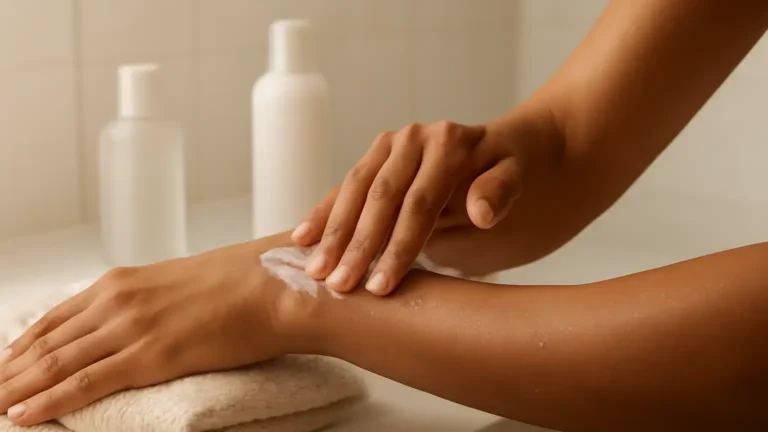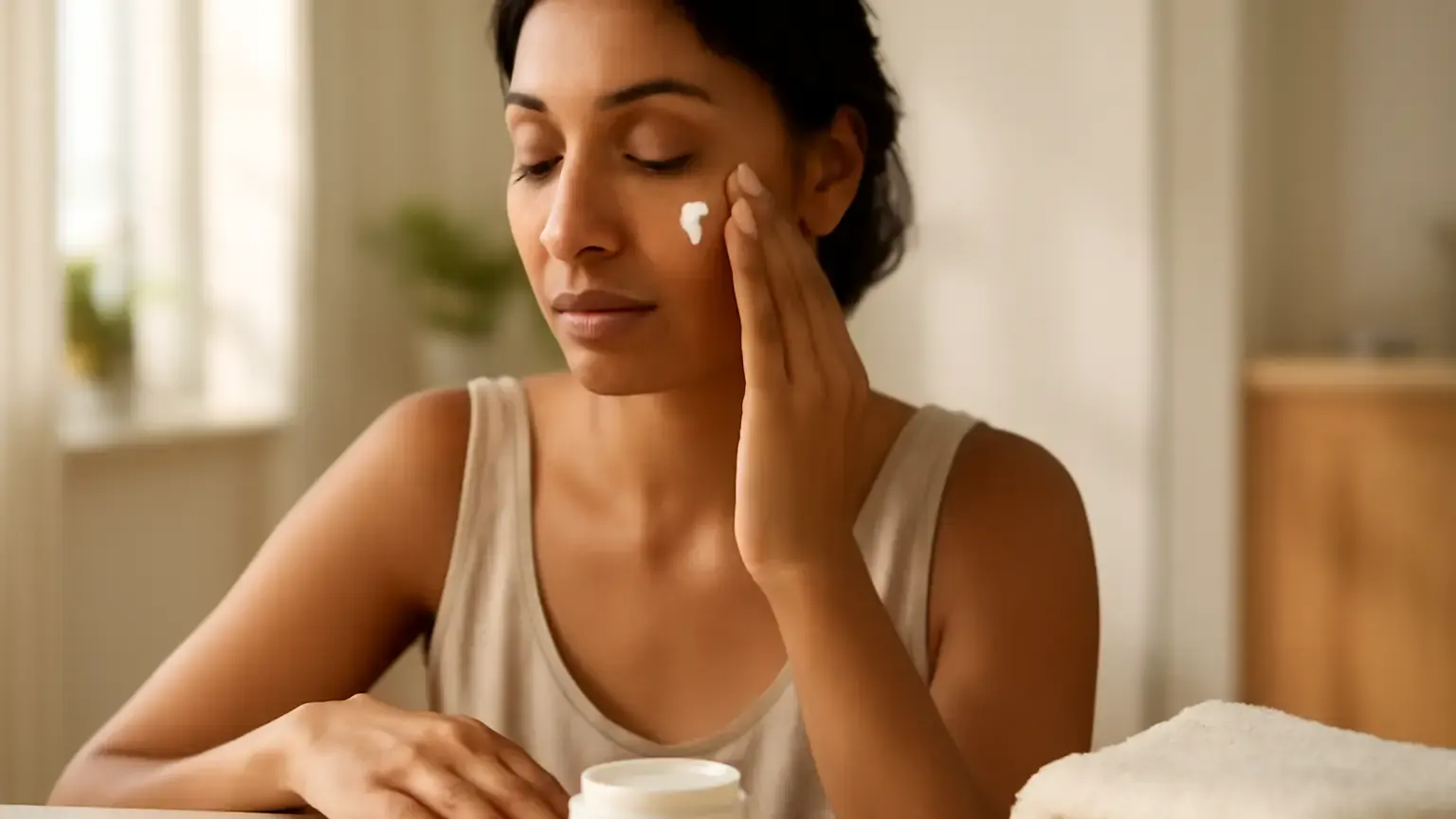
A good dry skin sunscreen should protect without leaving tightness, flakes or a slippery film. This guide is for anyone whose face feels dry after cleansing, especially in air-conditioned rooms or during colder months. Check six things before buying: a comfortable moisturising base, cream or lotion texture, compatible layering, low pilling risk, suitable fragrance and practical touch-up options. These checks make it easier to choose a formula you will apply generously and reapply consistently.
What makes a dry skin sunscreen comfortable?
Dryness is often a feel as much as a visible concern: the skin may feel tight, rough or stretched, and sunscreen can make that sensation more noticeable. The most comfortable formula usually combines UV protection with a base containing humectants, emollients and film-forming ingredients. Humectants such as glycerin or hyaluronic acid help attract water, while emollients such as squalane or lightweight plant-derived oils can make the surface feel smoother.
Look for a product labelled broad-spectrum and, where listed, SPF 30 or higher with a strong UVA rating such as PA+++. In India, broad-spectrum SPF 50 is a practical choice for regular outdoor exposure, but the number alone does not decide comfort. A high-SPF product can still feel drying if its finish does not suit your routine.
Also remember that “moisturising” is a formula description, not a guarantee that sunscreen can replace every moisturiser. If your skin is persistently rough, irritated or peeling, a basic moisturiser underneath may still be useful. The goal is to find a dry skin sunscreen that supports your routine rather than forcing you to skip sun protection.
Check 1: Does the formula offer comfort beyond UV filters?
UV filters are responsible for sun protection; the rest of the formula largely determines how the product feels. A moisturising sunscreen may include glycerin, hyaluronic acid, panthenol, ceramides or squalane. These ingredients can make the finish less tight, but concentration, the full formula and your existing skincare routine matter more than a single ingredient on the label.
What to look for:
- Ceramides: useful in a routine focused on supporting the skin barrier.
- Hyaluronic acid and glycerin: humectants that can give a more cushioned feel, especially when applied to comfortable, well-moisturised skin.
- Squalane and other emollients: often helpful when the surface feels rough or papery.
- Fragrance-free sunscreen: worth considering if fragrance commonly causes discomfort or if your skin is easily reactive.
Do not assume that a long ingredient list is automatically better. A simpler formula that feels comfortable and does not sting may be the more useful purchase.
Check 2: Choose between cream sunscreen and lotion sunscreen
Texture is one of the quickest ways to narrow down a sunscreen for dry skin. A cream sunscreen is usually richer and may feel more protective on cheeks that become tight. It can suit evening-out routines, cooler weather and people who like a dewy finish. A lotion sunscreen tends to spread more quickly and may be easier for the neck, arms or humid daytime conditions.
Neither texture is universally superior. A rich cream can feel heavy in hot, humid weather or under makeup, while a thin lotion may not feel sufficient if your skin is very dry. If you wear foundation, test how the sunscreen behaves after ten to fifteen minutes rather than judging it immediately after application.
| Texture | May suit | Check before buying |
|---|---|---|
| Cream | Dry cheeks, cooler weather, dewy-finish preferences | Whether it feels greasy or rolls under makeup |
| Lotion | Quick application, humid weather, face and neck | Whether it leaves tightness after it sets |
| Fluid | Layered routines and people who dislike thickness | Whether you need a separate moisturiser underneath |
Check 3: Can it sit over your skincare without pilling?
Sunscreen pilling happens when products gather into tiny rolls or flakes during spreading or rubbing. It is not always caused by sunscreen alone. Too much serum, a sticky moisturiser, incompatible film-formers, or vigorous rubbing can all contribute.
How to apply sunscreen on dry skin
- Cleanse gently, or rinse with water if a morning cleanser leaves your face tight.
- Apply hydrating serum only if you need it, and use a modest amount.
- Follow with moisturiser on areas that feel dry. Let it settle for a few minutes.
- Apply sunscreen in two thin passes instead of one thick, aggressively rubbed layer.
- Use pressing and smoothing motions, especially around the nose, hairline and eyebrows.
If you are asking, “Can I apply sunscreen over moisturiser?” the practical answer is yes. Moisturiser can improve comfort, but allow it to absorb or settle first. Do not mix the two products in your palm, because dilution can make it harder to apply a consistent sunscreen layer.
To learn how to stop sunscreen pilling on dry skin, change one variable at a time: reduce the amount of serum, wait longer between layers, try a simpler moisturiser, or switch from rubbing to pressing. A small patch test on one cheek can reveal whether a combination behaves well before you use it across the face.
Check 4: Is the finish compatible with makeup?
A makeup-friendly sunscreen should spread evenly, settle without excessive tackiness and leave a surface that your base product can grip. This is subjective: some people prefer a soft glow, while others want a satin finish that does not increase shine around the forehead and nose.
For a reliable morning routine, apply skincare first, then sunscreen, and give it a few minutes to settle before foundation or concealer. Avoid repeatedly buffing the base over the sunscreen. Pat makeup into place with a sponge or use light strokes with a brush. If your sunscreen remains very wet, a small amount of translucent powder on selected areas may improve wear, but do not use powder as a replacement for sunscreen.
If a product stings, causes uncomfortable warmth or leaves persistent redness, stop using it on that area and choose a gentler option. People with ongoing or severe irritation should seek advice from a dermatologist rather than repeatedly testing new products.
Check 5: Does it suit your dryness without feeling congested?
Dry skin and dehydrated skin are related but not identical. Dry skin generally lacks oil, whereas dehydrated skin lacks water and can occur with several skin types. Both may feel tight, but a very rich product is not automatically the best answer. Someone with dry cheeks and an oilier T-zone may prefer a lotion sunscreen with a richer moisturiser only on the cheeks.
Those concerned about blocked pores can look for a non-comedogenic sunscreen, while remembering that this label is not a personal guarantee. Introduce one new product at a time and observe how your skin feels over several normal days. Consider a fragrance-free sunscreen if scented products tend to bother you. If the formula is comfortable, does not leave you rubbing at flakes and works with your other products, it is more likely to become a consistent habit.
Check 6: Can you reapply it realistically?
Protection depends on applying enough sunscreen and refreshing it when needed, particularly after sweating, swimming, wiping the face or spending extended time outdoors. A formula that feels wonderful once but is impossible to reapply may not be practical.
Touch-up options for dry skin
- Same cream or lotion: best when you can reapply with clean hands and do not mind refreshing your makeup.
- Compact or cushion formats: convenient for some touch-ups, but check whether the amount applied is enough; a light swipe may provide less coverage than you expect.
- Sunscreen stick: portable for small areas such as the nose, ears and cheekbones, but use repeated passes and do not rely on it as your only morning layer.
- Reapplication over makeup: easier when the original sunscreen has a thin, non-greasy finish. Press rather than drag, and refresh exposed areas carefully.
For long outdoor days, reapply according to your exposure and product directions. Sunglasses, hats, shade and protective clothing also reduce direct exposure; sunscreen should be part of that broader approach.
Common buying mistakes to avoid
- Choosing solely by SPF number and ignoring texture, UVA protection or comfort.
- Applying several sticky layers underneath and blaming the sunscreen when it pills.
- Using too little because a richer formula feels noticeable.
- Rubbing vigorously until the product begins to roll.
- Assuming a sunscreen stick or powder automatically provides an adequate full-face layer.
- Buying a strongly fragranced formula when your skin already feels uncomfortable.
A simple decision guide
Choose a cream if your cheeks feel tight and you prefer a richer, luminous finish. Choose a lotion if you want faster spreading or live in humid conditions. Choose a lighter fluid if you layer several products or wear makeup daily, but pair it with moisturiser where needed. If you are searching for the best hydrating sunscreen for dry skin, prioritise broad-spectrum protection, a comfortable finish and easy reapplication over impressive-sounding single ingredients.
For the question “is cream sunscreen better for dry skin?” the answer is: often more comfortable for very dry areas, but not necessarily better for every person or climate. The best choice is the one you can apply generously, layer without pilling and refresh when your day requires it.
Takeaway
The right dry skin sunscreen should pass six checks: supportive moisturising ingredients, a suitable cream or lotion texture, smooth layering, low pilling risk, compatibility with your finish and a realistic touch-up plan. Start with a small amount on one area, give it time to settle and assess how your skin feels later in the day. Consistent, comfortable use matters more than chasing a particular texture label.
Products that may help with this routine
Choose only what fits your skin, hair or personal needs. Use the links below to view current options on Amazon India.
Frequently Asked Questions
What is the best sunscreen for dry skin in India?
The best sunscreen for dry skin in India is one that offers broad-spectrum protection, feels comfortable in your local climate and does not pill with your moisturiser. A cream may suit very dry cheeks, while a lotion or fluid can feel better in humid weather.
How do you apply sunscreen on dry skin?
Cleanse gently, apply a modest amount of hydrating skincare, use moisturiser where needed, let it settle and then apply sunscreen in two thin passes. Smooth or press rather than rubbing aggressively.
Can I apply sunscreen over moisturiser?
Yes. Apply moisturiser first, allow it to settle for a few minutes and then apply sunscreen as the final skincare step. Avoid mixing the two products, since that can make the sunscreen layer less consistent.
How can I stop sunscreen pilling on dry skin?
Reduce the number or amount of products underneath, wait between layers, use a simpler moisturiser and apply sunscreen with gentle pressing motions. Test each combination on a small area before changing your entire routine.
What is the best hydrating sunscreen for dry skin?
Look for broad-spectrum protection alongside a comfortable base with ingredients such as glycerin, hyaluronic acid, ceramides or emollients. The best option is the one that does not sting, flake or pill and that you will apply generously.
Is cream sunscreen better for dry skin?
Cream sunscreen can feel more comfortable on very dry areas because it is often richer, but lotion or fluid textures may be better in hot, humid weather or under makeup. Finish, climate and layering compatibility should guide the choice.