Effective dry skin hand care is less about collecting products and more about protecting the skin barrier after every wash. This routine is for anyone whose hands feel tight, rough or flaky—especially during October’s drier weather and winter. Use lukewarm water, a gentle cleanser, a fragrance-free hand cream while skin is slightly damp, gloves for wet chores and a thicker occlusive layer at bedtime. The result is softer, more comfortable hands without aggressive scrubbing.
Hands face repeated exposure to water, cleansers, sanitiser, dust, detergents and changing temperatures. Unlike a face routine, hand care is often interrupted by practical tasks, so the best plan must be quick enough to repeat. The goal is to reduce moisture loss and support the skin barrier, the outer layer that helps keep water in and irritants out.
Why hands become drier in October and winter
Humidity often falls as the weather cools, while fans, air-conditioning and indoor heating can make the surrounding air feel even less comfortable. Cold air also encourages people to use hotter water, but hot water can remove some of the skin’s protective oils. Frequent hand washing and alcohol-based sanitiser may add to tightness, particularly when followed by no moisturiser.
Household triggers matter too. Dishwashing liquid, floor cleaners, laundry products, dust and repeated contact with wet cloths can leave hands rough. Rings and bangles may trap soap or moisture against the skin, causing additional irritation. If dryness is persistent, intensely itchy, painful, blistered or associated with bleeding, swelling or spreading redness, speak with a dermatologist rather than treating it as ordinary seasonal dryness.
A daytime hand care routine for dry skin
1. Wash with less stripping
Use a gentle hand wash and lukewarm water rather than very hot water. Clean palms, backs of hands, between fingers and around the nails, then rinse away all cleanser. Pat dry with a soft towel instead of rubbing vigorously. This approach still supports good hygiene while reducing unnecessary friction.
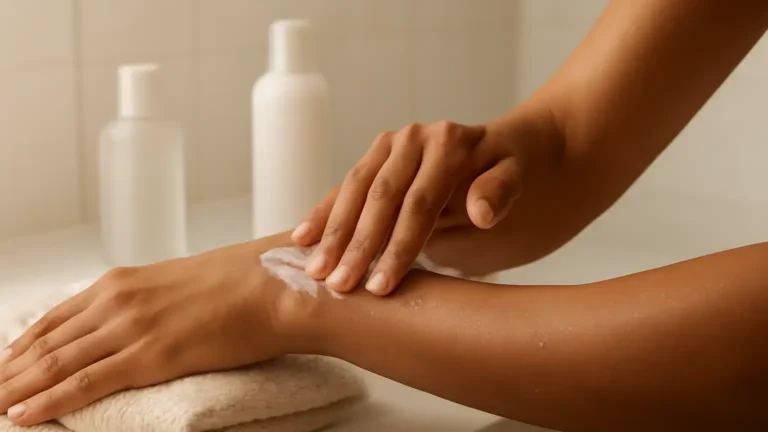
After washing, apply a moisturising hand cream within a few minutes, while the skin is clean and slightly damp. This helps slow transepidermal water loss. Keep a small tube near the sink, in your work bag or beside your laptop so application becomes part of the washing habit.
2. Choose a barrier-supportive cream
A fragrance-free hand cream is usually a sensible choice for dry or sensitive hands. Look for a combination of ingredients rather than relying on one “hero” component:
- Humectants such as glycerin or urea: help attract and hold water in the outer skin.
- Barrier lipids such as ceramides: support the structure of the skin barrier.
- Emollients: smooth rough texture and soften flaky areas.
- Occlusives such as petrolatum: form a protective layer that slows water loss.
For normal daytime use, choose a cream that absorbs comfortably enough for typing, driving or handling objects. A richer ointment is more useful on very rough patches or before bed. If a product stings repeatedly, stop using it and try a simpler, fragrance-free formula.
How to protect hands during chores
Protective gloves for cleaning are one of the most useful changes in a winter hand care plan. Wear properly fitting reusable gloves for dishwashing, bathroom cleaning and contact with detergents. Cotton liners can improve comfort if rubber or synthetic gloves make your hands sweaty, but remove gloves periodically and dry the hands thoroughly.
Do not wear damp gloves for long periods. Wash and dry reusable gloves according to their care instructions, and replace them when the inside remains wet or the material begins to break down. For gardening or dusty tasks, gloves can reduce friction and contact with soil, plant sap and cleaning residues.
Hand sanitiser is useful when soap and water are unavailable. Once it has dried, apply cream if your hands feel tight. Sanitiser should not be used as a replacement for washing when hands are visibly dirty, but neither should frequent washing be followed by leaving the skin unprotected.
Cuticle care without causing more damage
Cuticles help protect the area where the nail and surrounding skin meet. Dry cuticle care should focus on softening and protecting, not cutting aggressively. After washing or bathing, massage a small amount of cuticle oil or a plain moisturiser around each nail. A cream containing glycerin or an occlusive balm can work well if oil alone feels too light.
Avoid pulling hangnails, biting the surrounding skin or trimming living cuticle tissue. If a loose piece catches, use clean nail clippers to remove only the detached portion. Keep nails at a practical length and use a file rather than repeatedly scraping rough edges against clothing. Acetone, frequent gel removal and harsh nail products may also increase dryness around the nails, so give the area extra moisturising attention.
Night routine: repair and overnight occlusion
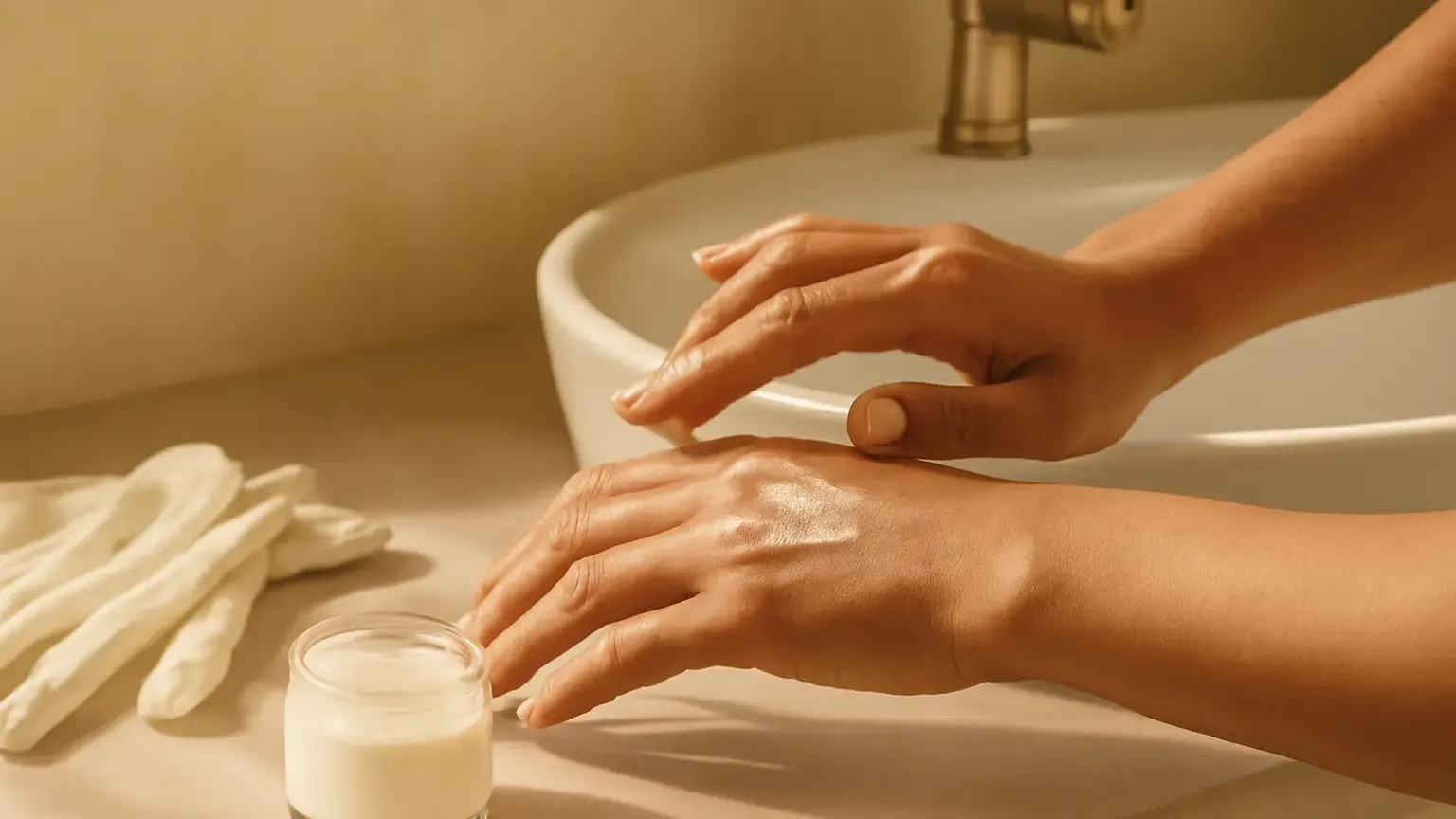
Night is the easiest time to use a richer texture because you do not need to touch screens or objects immediately afterwards. Wash hands with lukewarm water, pat them almost dry and apply a generous moisturising hand cream. Pay particular attention to the backs of the hands, knuckles, sides of fingers and cuticles.
For very dry areas, smooth a thin layer of petroleum jelly over the cream. This technique is called overnight occlusion: the outer layer helps reduce water loss while the underlying cream provides hydration and softness. You do not need a thick, uncomfortable coating; a light film is usually sufficient.
If comfortable, wear clean cotton gloves overnight. They can keep product in place and protect bedding, but they are optional. Do not cover hands if the skin is wet, hot, actively weeping or irritated by the fabric. Wash the gloves regularly and avoid tight cuffs that leave marks.
How often should you moisturise dry hands?
Apply cream after hand washing whenever possible, and at least after the washes that leave your skin feeling tight. Reapply after cleaning, bathing, sanitising or outdoor exposure if the skin feels dry. A practical minimum is morning, after major wet chores and before bed; more frequent application is reasonable when the weather is cold or the hands are visibly rough.
Consistency matters more than applying a large amount once a week. If you dislike greasy textures, use a lighter cream during the day and reserve an ointment or overnight hand mask for bedtime. If you prefer one product, choose a medium-to-rich fragrance-free cream that you will actually use repeatedly.
Common mistakes that prolong dryness
- Using very hot water: it may feel soothing briefly but can leave hands tighter afterwards.
- Exfoliating cracked skin: scrubs and rough files can worsen irritation and delay comfort.
- Applying cream only once daily: repeated exposure needs repeated protection.
- Ignoring the backs of the hands: this area often receives less product than the palms.
- Leaving soap residue behind: rinse between fingers, around rings and under the nails.
- Cleaning without gloves: detergents and prolonged soaking can undo an otherwise good routine.
- Picking flakes or hangnails: this creates tiny breaks that can become sore and inflamed.
When to adjust the routine or seek advice
Simple barrier care is suitable for mild tightness, roughness and seasonal flaking. A richer cream may be helpful when the skin feels papery, while an occlusive balm is useful for localised rough patches. However, do not assume every rash is caused by weather. Persistent cracking, severe itch, pain, bleeding, swelling, blisters, pus or a rash that keeps returning deserves professional assessment. A dermatologist can help identify whether an allergy, irritant reaction or another skin concern needs specific care.
Your concise dry skin hand care checklist
Use lukewarm water and a gentle hand wash, pat rather than scrub, and apply fragrance-free cream while the skin is slightly damp. Protect hands from detergents with well-fitting gloves, moisturise the cuticles without cutting them, and use cream followed by a thin occlusive layer at night when extra comfort is needed. This simple dry skin hand care routine supports softer hands through October, winter and everyday household tasks.
Products that may help with this routine
Choose only what fits your skin, hair or personal needs. Use the links below to view current options on Amazon India.
Frequently Asked Questions
How do you treat dry hands in winter?
Wash with lukewarm water and a gentle cleanser, apply a fragrance-free hand cream after washing, wear protective gloves for wet chores and use a thicker cream or petroleum jelly at night. Avoid hot water, harsh scrubbing and picking flaky skin.
What is the best hand care routine for dry skin?
Use gentle washing, moisturise while hands are slightly damp, reapply after wet work, protect hands from detergents and apply a richer cream before bed. Add a thin occlusive layer overnight if the skin remains rough.
How often should you moisturise dry hands?
Apply hand cream after washing whenever possible, and at least after the washes that cause tightness. Reapply after cleaning, bathing, sanitising or outdoor exposure, with another generous application before bed.
What should you apply on cracked knuckles?
Use a bland, fragrance-free moisturising cream on clean, slightly damp skin, followed by a thin layer of petroleum jelly if extra protection is needed. Avoid exfoliating or picking the cracks. Seek medical advice if cracking is painful, bleeding, swollen or persistent.
Can you use petroleum jelly on dry hands?
Yes, petroleum jelly can be used as an occlusive layer over hand cream to reduce moisture loss. Apply a thin film at night and avoid covering skin that is wet, weeping or reacting to the product.
How can you protect your hands while cleaning?
Wear properly fitting protective gloves for dishwashing and household cleaning, keep the inside dry and remove them periodically if your hands sweat. Apply hand cream after the chore and rinse away any detergent residue.