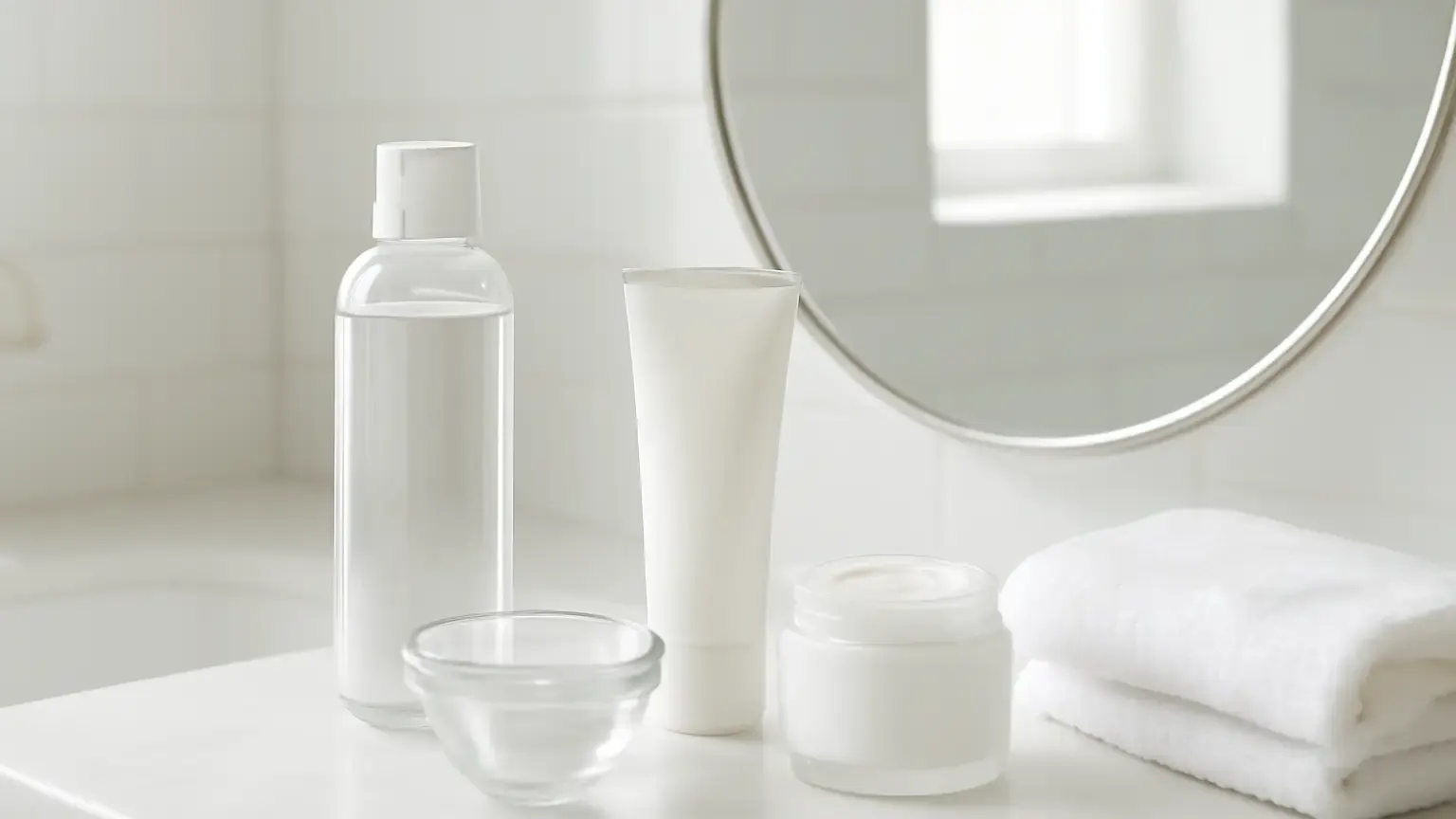
An oily skin toner can help with comfort, hydration or occasional pore care, but it is not an automatic step for everyone. This guide is for people whose skin becomes shiny, congested or dehydrated—especially in warm, humid Indian weather. Choose a hydrating toner when skin feels tight, an exfoliating formula when gentle pore care is the goal, and skip toner when your cleanser, moisturiser and sunscreen already meet your needs.
Many people assume oily skin needs the most astringent product available. In practice, that can leave the surface feeling stripped while oiliness returns soon after. A toner is best viewed as an optional, lightweight layer—not a compulsory cleansing step or a cure for breakouts.
What does toner do for oily skin?
Modern toners are usually water-based products applied after cleansing. Depending on the formula, they may add humectants, offer mild exfoliation, reduce the temporary feeling of residue, or make the next moisturising step more comfortable. They do not replace a cleanser, moisturiser or sunscreen.
The right choice depends on your actual concern:
- Shine and dehydration: choose a lightweight hydrating toner rather than trying to remove every trace of oil.
- Occasional congestion: consider an exfoliating toner used carefully and infrequently.
- Stinging, tightness or flaking: pause toner and focus on skin barrier care.
- No specific need: skip the step. A simple routine can be just as effective.
Three toner types compared
1. Hydrating toner
A hydrating toner contains water-attracting ingredients such as glycerin, panthenol, aloe or hyaluronic acid. It can suit dehydrated oily skin, which produces oil but still feels tight after washing. This may happen after using a harsh cleanser, spending time in air-conditioning, or dealing with hot weather and frequent face washing.
Look for a thin, comfortable texture and follow it with a light moisturiser. Hydration does not mean adding a greasy layer. If your skin already feels comfortable after cleansing and moisturising, this type may be pleasant but unnecessary.
2. Exfoliating toner
An exfoliating toner uses acids or other exfoliating ingredients to loosen built-up dead skin cells. A salicylic acid toner is oil-soluble and is commonly selected for the appearance of clogged pores. Formulas with lactic or glycolic acid may focus more on surface smoothness, but can feel stronger on sensitive skin.
Start with one application a week on clean, dry skin. If there is no persistent burning, rash or unusual dryness, you may slowly increase use according to the product label. Do not combine it on the same evening with several other exfoliants, retinoid products or aggressive scrubs when you are new to active skincare.
3. Astringent toner
An astringent toner is designed to create a stronger temporary tightening or oil-reducing sensation. Some contain high levels of alcohol, fragrance or multiple active ingredients. Although that immediate “squeaky clean” feeling can be appealing, it does not necessarily mean the skin is healthier or that pores have been permanently tightened.
If you choose an astringent toner, read the ingredient list and avoid formulas that repeatedly sting or leave your face tight. For many people, an alcohol-free toner is a more comfortable starting point. Products marketed for oil control skincare should still be judged by how your skin behaves over several uses, not by the strongest sensation on application.
How to choose an oily skin toner
Use these decision points instead of choosing only by the words “oil control” on the label:
- Identify the main need. Choose hydration for tightness, gentle exfoliation for visible congestion, or no toner if there is no clear gap in your routine.
- Check the active ingredients. If you already use salicylic acid elsewhere, adding another acid toner may be unnecessary. A niacinamide toner can be a gentler option for people who want a lightweight, balancing step, though it is not essential.
- Consider sensitivity. People with sensitive oily skin may prefer fragrance-free, alcohol-free formulas with fewer actives.
- Choose a suitable finish. Watery or gel-like products generally layer easily under moisturiser and sunscreen in warm climates.
- Look for non-comedogenic skincare principles. No label guarantees that a product will suit every person, but avoiding an overly heavy, difficult-to-remove layer can be practical when you are prone to congestion.
The best toner for oily skin is therefore not automatically the strongest one. It is the formula that addresses a specific need without causing tightness, stinging, flaking or more visible irritation.
How to use toner for oily skin without overdoing it
Application is simple, but frequency matters more than using a large amount.
- Cleanse with a gentle face wash and rinse thoroughly.
- Pat the skin dry or leave it slightly damp, depending on the product directions.
- Apply a small amount with clean hands or a soft cotton pad. Pressing with your hands usually creates less friction than rubbing.
- Follow with a light moisturiser. During the day, finish with broad-spectrum sunscreen.
- Introduce only one new toner at a time so you can tell how your skin responds.
For a hydrating toner, daily use may be comfortable if the formula suits you. For an exfoliating toner, begin once weekly. Avoid increasing frequency simply because oiliness has not changed within a few days. If your face burns, becomes persistently red, flakes or feels unusually tight, stop the new product and return to a simple routine until comfortable.
When should you skip toner?
You can skip toner if your cleanser, moisturiser and sunscreen already leave your skin clean, comfortable and protected. You may also want to pause it when introducing another active product, after over-cleansing, or when your skin barrier feels compromised.
Skipping toner is particularly sensible when:
- your current toner causes stinging or tightness;
- you are layering several exfoliating or acne-focused products;
- your skin is flaky despite looking shiny;
- you cannot identify a specific benefit from the product;
- your routine is already long and difficult to follow consistently.
Oily skin still needs gentle cleansing and moisturising. Removing toner does not mean abandoning oil control skincare; it simply leaves space for steps with clearer everyday value.
Common mistakes with toner for oily skin
Using a toner to replace cleansing
A toner cannot reliably remove sunscreen, makeup or accumulated grime in place of a suitable cleanser. Conversely, repeatedly cleansing to remove all oil can make the routine uncomfortable.
Applying it with friction
Vigorous wiping, especially with a rough cotton pad, can add irritation without improving results. Use light strokes or clean hands.
Starting several actives together
Adding an exfoliating toner, scrub, mask and strong serum at once makes it difficult to identify the source of a reaction. Introduce products one at a time.
Ignoring moisturiser
Oiliness does not mean the skin cannot become dehydrated. A lightweight moisturiser can support comfort and help prevent the cycle of stripping and overcorrecting.
A simple routine by skin need
For comfortable but shiny skin: gentle cleanser, optional alcohol-free toner, lightweight moisturiser and sunscreen.
For dehydrated oily skin: gentle cleanser, hydrating toner, moisturiser and sunscreen. Avoid adding acids until tightness has settled.
For occasional congestion: gentle cleanser, exfoliating toner once weekly at first, moisturiser and sunscreen. Keep other active products simple on that day.
For sensitive oily skin: gentle cleanser, bland moisturiser and sunscreen. Add a toner only after the basic routine feels reliable.
Bottom line
An oily skin toner is optional and should earn its place by solving a specific problem. Choose hydration for tightness, mild exfoliation for carefully managed pore care, and be cautious with astringent formulas. Introduce one product slowly, protect your skin barrier and skip the step when it adds irritation rather than benefit.
If persistent, painful or worsening breakouts, severe redness, swelling or ongoing irritation concern you, consult a dermatologist. General skincare guidance cannot identify or treat an underlying skin condition.
Products that may help with this routine
Choose only what fits your skin, hair or personal needs. Use the links below to view current options on Amazon India.
Frequently Asked Questions
How do I choose an oily skin toner?
Start with your main concern. Choose a hydrating toner for tight or dehydrated skin, an exfoliating toner for occasional congestion, or skip toner if your basic routine already works. For sensitive skin, look for a simple, fragrance-free and alcohol-free formula.
Can oily skin use a hydrating toner?
Yes. Oily skin can also be dehydrated, especially after harsh cleansing or in air-conditioned environments. A lightweight hydrating toner with ingredients such as glycerin or panthenol can add comfort without needing a heavy finish.
How often should you use toner for oily skin?
A hydrating toner may be used daily if it feels comfortable. Start an exfoliating toner once weekly and increase only gradually if your skin remains calm and the product directions allow it. Stop if you experience persistent burning, redness or flaking.
Should you skip toner if you have oily skin?
Yes, you can skip toner if cleansing, moisturising and sunscreen already meet your needs. Skip or pause it if the product causes tightness, stinging, flaking or if your routine already contains several active ingredients.
Is salicylic acid toner good for oily skin?
It can be useful for gentle pore-focused exfoliation because salicylic acid is oil-soluble, but it is not suitable for everyone. Introduce it slowly, avoid stacking it with multiple strong actives, and follow with moisturiser and daytime sunscreen.
What should you apply after toner for oily skin?
Apply a lightweight moisturiser after toner, then sunscreen in the morning. If the toner is exfoliating, keep the rest of that routine gentle and avoid adding several other active products at the same time.