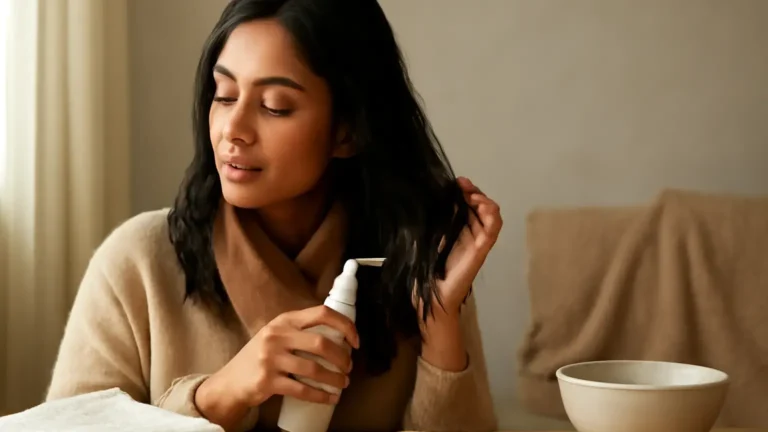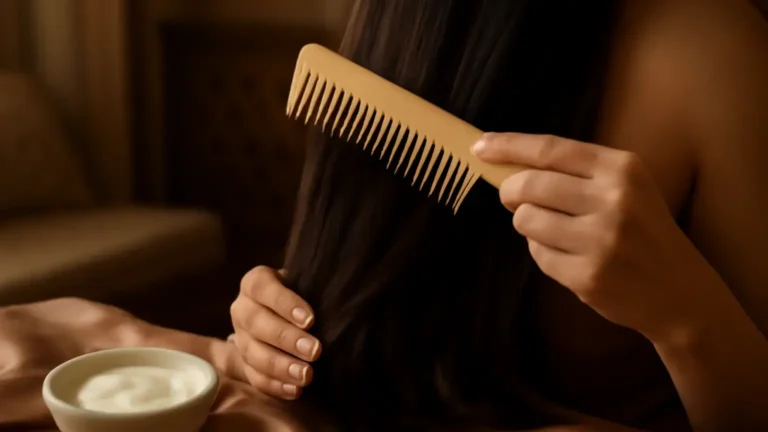
A festive hair care routine works best when it is planned around your event calendar, not improvised on each occasion. If you have weddings, pujas or parties across several days, wash your hair 12–24 hours before the first major styling session, deep-condition dry lengths earlier in the week, and use heat protection every time you blow-dry, curl or straighten. This guide is for anyone who wants polished, manageable hair while reducing unnecessary washing, heat exposure and overnight frizz between events.
Festive hair often has to handle more than one challenge at once: humid weather, dust, sweat, heavy accessories, repeated brushing and several rounds of heat styling. A reliable plan helps you look put together without treating every event as a reason to shampoo, straighten and restyle from scratch.
Start with your event calendar and hair texture
Before choosing products, list the occasions in order and note whether each one needs open hair, curls, a bun, a braid or a covered style. Your hair wash schedule should support the most demanding style rather than follow a fixed daily rule.
- Fine or oily hair: wash closer to the event, usually the same morning or the previous evening, so the roots feel fresh. Avoid rich oils and heavy masks near the scalp.
- Dry, coarse or curly hair: wash 24–48 hours before styling if that gives the hair better softness and grip. Freshly washed hair can sometimes be too slippery for an updo.
- Wavy hair: plan for definition and controlled drying rather than repeated brushing. A light leave-in product can help maintain shape.
- Coloured or chemically treated hair: use a gentle cleansing routine and keep hot tools at the lowest effective temperature.
For a single event, the simplest approach is a wash, condition and style plan. For multiple events, alternate full wash days with refresh days so the scalp and lengths are not repeatedly exposed to cleansing and heat.
Build a repeatable festive hair care routine
Three to five days before the first event
Do a small product check before the busy period begins. Avoid introducing a new strong treatment, colour product or unfamiliar styling formula immediately before an important occasion. If your lengths feel rough, schedule a deep conditioning treatment or a hair mask for dry hair on a normal wash day. Apply it mainly from mid-length to ends, following the product instructions.
Pre-wash oiling can suit dry, thick or textured hair when you already know your scalp tolerates it. Use a modest amount on the lengths and wash it out thoroughly; oil is not a substitute for conditioner, and leaving it on for too long may make cleansing difficult. If you have an oily or easily irritated scalp, skip this step rather than forcing it into your routine.
One to two days before the first event
Wash with a gentle shampoo, concentrating on scalp cleansing rather than scrubbing the lengths. A second cleanse may be useful after oiling, sweating or product build-up, but it is not necessary every time. Apply conditioner from the mid-lengths down, leave it on for the stated time and rinse well.
Blot with a soft towel or microfibre towel instead of rubbing. Detangle with a wide-tooth comb, beginning at the ends. Let the hair air-dry partially, then finish with a dryer on a moderate setting if needed. This gives you a clean base without leaving last-minute drying and styling to the day of the event.
On the event day
Work with hair that is clean enough for your style but not overloaded with products. If the roots need freshness, use a small amount of a suitable root-refresh product rather than layering several formulas. For event-ready hair, apply styling products in thin layers and allow each one to settle before adding another.
When should you wash your hair before a festival?
For most people, washing 12–24 hours before a festival or formal event is a useful starting point. It allows the hair to dry fully and gives the style some natural grip. However, there is no universal timing:
| Hair or style need | Useful wash timing | Reason |
|---|---|---|
| Oily roots or a sleek open style | Same day or previous evening | Cleaner roots usually look smoother and lighter. |
| Dry, curly or textured hair | 24–48 hours before | Natural oils and settled texture can improve manageability. |
| Voluminous curls | Previous evening | Hair has time to dry completely before curling. |
| Updo or braid | Previous day, unless roots become oily quickly | Slightly lived-in hair may hold pins and braids better. |
Do not go to an event with damp roots hidden under a bun or accessory. Moisture trapped close to the scalp can make the style fall flat and may feel uncomfortable. If you wash on the same day, leave enough time for complete drying before pinning or using hot tools.
Limit heat while keeping festive hair styling polished
Repeated blow-drying, curling and straightening can make the lengths feel dry, especially when several celebrations are close together. The goal is not to avoid heat at all costs; it is to use fewer passes, prepare the hair properly and choose one main heat styling step.
- Start with mostly dry hair. Avoid using a straightener or curling iron on damp hair.
- Apply a heat protectant spray evenly, including the outer layers and ends. Follow the product directions for whether it should be used on damp, dry or both types of hair.
- Divide the hair into manageable sections so you do not repeatedly pass over the same area.
- Use the lowest temperature that creates the finish you want. Fine, bleached or fragile hair generally needs more caution than thick, resistant hair.
- Let curls cool before brushing or pinning them. This can help the shape settle without repeated reheating.
Choose a style that works with your natural texture. A soft braid, low bun or half-up style may need less heat than a fully straightened look. For frizz control, smooth a small amount of a suitable finishing product over the surface rather than repeatedly straightening flyaways.
Refresh hair between two festive events
A refresh day is not a failed wash day. It is a way to preserve a workable style while keeping the scalp comfortable.
- Check the scalp first. If it is sweaty, itchy or visibly oily, wash rather than covering the problem with more product.
- If the scalp feels comfortable, brush only where needed and reshape the lengths with damp fingers or a light styling product.
- Use a small amount of lightweight hair serum on dry ends or the outer surface. Keep it away from the roots if your hair becomes flat easily.
- Replace or reposition accessories that pull at one area. Tight clips and pins can cause tenderness and breakage.
- For curls or waves, revive sections selectively instead of reheating the entire head.
Dry shampoo, if you use it, should be a convenience rather than a substitute for regular cleansing. Apply only as directed and remove the product when you next wash.
Overnight hair care that protects the next style
Your nighttime routine can determine whether the next morning requires a complete restyle. First, remove heavy jewellery, pins and tight elastics before sleeping. Do not pull through tangled hair; gently separate the style with your fingers or a wide-tooth comb.
For open hair, loosely gather it into a low ponytail with a soft scrunchie, or make a loose braid if that suits your texture. For a bun, avoid sleeping in a tight, high arrangement. A smooth silk or satin pillowcase can reduce some friction, but it will not prevent all frizz or replace gentle handling.
Keep hair completely dry before bed. If a style has been exposed to sweat, rain or humidity, allow it to air out before loosely securing it. The next morning, inspect the roots and ends separately: refresh the roots only if needed, then use a little water or serum to reshape the lengths.
Common mistakes that make festive hair harder to manage
- Washing at the last minute without a drying plan: damp hair is difficult to style safely and may not hold pins well.
- Applying oil just before heat styling: excess oil can make the finish heavy and is not a replacement for a dedicated heat protectant.
- Using a rich mask on the roots: this can flatten fine hair and make the scalp feel greasy.
- Layering too many anti-frizz products: several silicone-rich or oily formulas can make hair limp and harder to pin.
- Brushing curls repeatedly: this can disrupt the pattern and increase visible frizz.
- Sleeping in tight hairstyles: tension overnight can leave the scalp sore and the hairline stressed.
A simple plan for a week of celebrations
Use this as a flexible template, then adjust it for your texture and scalp:
- Early week: cleanse gently and use a deep conditioning treatment if the lengths need softness.
- Day before event one: wash, condition, detangle and dry fully. Avoid unnecessary hot-tool passes.
- Event one: use heat protectant before any finishing heat, then secure the style without excessive tension.
- Night after event one: remove accessories, let the hair cool and dry, then loosely braid or tie it for overnight hair care.
- Between events: assess the scalp before deciding between a refresh and a full wash.
- Before the next major style: cleanse if there is sweat or build-up; otherwise reshape selectively and keep products light.
If you have persistent scalp irritation, unusual shedding, painful tenderness or a sudden change in hair texture, seek advice from a dermatologist rather than adding more styling products or changing several routine steps at once.
Concise takeaway
The most practical festive hair care routine is based on timing: wash 12–24 hours before styling when possible, condition according to your hair’s needs, protect every heat session, refresh rather than automatically rewashing, and secure hair loosely overnight. A repeatable plan keeps multiple-event hair manageable while leaving room for your natural texture and comfort.
Products that may help with this routine
Choose only what fits your skin, hair or personal needs. Use the links below to view current options on Amazon India.
Frequently Asked Questions
How should I plan a festive hair wash schedule for multiple events?
Wash 12–24 hours before the first major event, then assess the scalp between occasions. Wash again when there is sweat, oil or product build-up; otherwise refresh the lengths and avoid unnecessary heat.
When should I wash my hair before a festival?
Most people can wash 12–24 hours before the event. Oily hair may look best when washed the same day, while dry, curly or textured hair may be easier to style after 24–48 hours.
How can I protect my hair from heat styling during the festive season?
Start with mostly dry hair, apply a suitable heat protectant spray, use the lowest effective temperature and limit repeated passes. Let curls cool before brushing or pinning them.
What is good overnight hair care between festive events?
Remove tight accessories, ensure the hair is dry, and loosely braid or tie it with a soft scrunchie. Sleep on a smooth pillowcase if comfortable, then refresh only the sections that need attention.
Should I oil my hair before a festive event?
Pre-wash oiling may suit dry or thick hair if your scalp tolerates it, but do it a day or two before styling and cleanse it thoroughly. Avoid applying heavy oil immediately before heat styling.
How do I keep festive hairstyles fresh overnight?
Remove pins and jewellery, loosen the style, separate tangles gently and secure the hair loosely for sleep. Avoid tight buns and do not sleep with damp roots.