Hair care before Diwali works best when it starts two weeks before the first event, not the night before. This plan is for anyone managing weddings, card parties, family visits or several festive looks, especially if hair is frizzy, dry, heat-styled or difficult to pin. Book a modest trim early, settle your wash and conditioning rhythm, protect hair from heat, and test the complete hairstyle before the event so you can adjust without last-minute damage or stress.
Why a 14-day plan makes festive styling easier
Festive hair is easier to manage when the basics are predictable. A good plan does not require a dramatic haircut, a shelf full of products or daily styling. It gives your hair time to respond to a trim, moisture routine and gentler handling before you use a dryer, straightener, curling iron or heavy accessories.
This schedule is flexible for straight, wavy, curly, coily, fine, thick, dry or colour-treated hair. The main decision is to work with your normal texture rather than trying to transform it completely on the day. If your hair usually expands in humidity, prioritise frizz control and a secure style. If it becomes flat quickly, use lighter conditioning and focus on root-friendly volume.
Days 14–11: assess your hair and plan the look
Book a trim before Diwali
A trim before Diwali can remove visibly split or uneven ends and make a ponytail, braid or bun look neater. For most people, 10–14 days before the first important event is a comfortable window: the ends settle, but the haircut still looks fresh. Ask for a conservative trim if you are unsure about length, and avoid a major new cut immediately before a family function or professional photo session.
If you have a fringe, face-framing layers or a short haircut, your timing may be different. A stylist can advise whether your shape needs a few days to settle. Do not schedule chemical straightening, bleaching or a first-time colour service close to a major event simply because it is festive season; unfamiliar reactions, dryness or an unwanted result are difficult to correct quickly.
Choose one realistic event hairstyle
Consider your outfit neckline, jewellery, dupatta or saree drape, venue and expected weather. A low bun may suit a heavily embellished outfit, while a half-up style can work when you want visible length. A braid, soft ponytail or textured bun may be more practical for a long evening than loose hair that needs repeated brushing.
Save two or three reference images, but treat them as direction rather than a promise. Hair density, length and texture affect the result. Decide whether you want a polished, softly textured or deliberately natural finish, then list the tools and accessories required.
Days 10–8: establish your wash and moisture routine
Set a hair wash schedule
Your hair wash schedule should match your scalp and lifestyle, not a fixed festive rule. If your scalp becomes oily quickly or you exercise often, wash when it feels dirty rather than stretching the interval for an artificially “second-day” look. If your hair is dry or curly, fewer washes with careful conditioning may feel better. The aim is clean roots and manageable lengths—not squeaky, stripped hair.
Use lukewarm water and apply shampoo mainly to the scalp. Let the lather travel through the lengths as you rinse rather than aggressively rubbing the ends. Follow with conditioner from mid-length to tips. Rinse thoroughly so residue does not make the hair limp or sticky before styling.
Add a deep conditioning treatment if your hair needs it
A deep conditioning treatment can be useful for rough, dry or heat-exposed lengths, but it should be tested before the final styling day. Use it according to the product directions, usually concentrating on the lengths and ends. Very fine hair may need a shorter application or a lighter mask; too much rich product can reduce volume.
Do not introduce several unfamiliar masks, oils and serums at once. If a product causes burning, persistent itching, swelling or a noticeable rash, rinse it off and discontinue use. Ongoing scalp symptoms or sudden changes in shedding deserve advice from a dermatologist or doctor rather than more experimentation.
Days 7–5: reduce breakage and improve smoothness
Use an intentional hair oiling routine
An occasional hair oiling routine may help make dry lengths feel softer and easier to detangle, but more oil is not automatically better. Apply a small amount to the lengths or scalp only if that is already comfortable for you, leave it for your usual time, and shampoo it out thoroughly. Heavy oiling immediately before an event can leave buildup, flatten the roots and require repeated washing.
People with an oily, sensitive or flaky scalp may prefer to keep oil away from the scalp and use conditioner on the ends instead. Oil also does not replace heat protection. It should not be treated as a guaranteed shield against a hot styling tool.
Practise gentle detangling tips
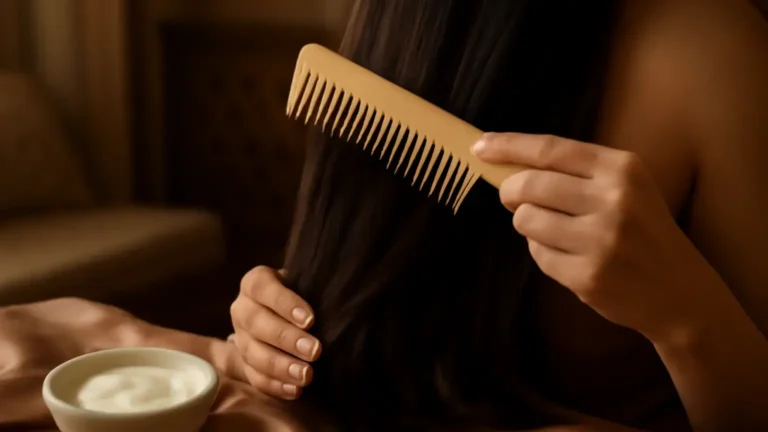
Start at the ends and work upwards with a wide-tooth comb or a brush suited to your texture. Detangle in sections, especially after washing. Avoid forcefully pulling through knots, and do not twist wet hair tightly into a bun. A soft microfibre towel or cotton T-shirt can reduce rough rubbing while the hair is damp.
For overnight hair care, let hair dry sufficiently before tying it. A loose braid or low ponytail can reduce tangling, while a silk or satin pillowcase may help limit friction for some hair types. Keep the tie loose enough to avoid tension, and change the position regularly if you wear your hair tied for long hours.
Days 4–3: prepare for controlled heat and humidity
Make heat protection non-negotiable
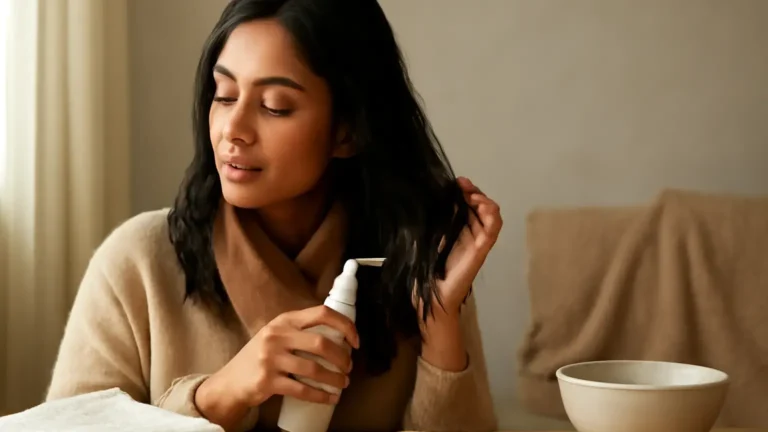
Use a heat protectant spray or another suitable heat-protecting product on dry or damp hair as directed on the label. Distribute it evenly rather than concentrating it in one patch. Heat protection can reduce styling stress, but it cannot make unlimited high heat safe. Keep tools moving, use the lowest effective temperature and avoid repeatedly passing over the same section.
Dry hair fully before using a straightener or curling iron unless the tool is specifically designed for damp hair. Damp strands exposed to very high direct heat are more vulnerable to damage. If your hair is colour-treated, already brittle or frequently heat-styled, choose a lower-heat look such as a braid, pinned waves or a smooth low bun.
Build humidity-proof hair without overloading it
Humidity-proof hair is usually about reducing unnecessary exposure and choosing a style that can tolerate movement. Apply a small amount of anti-frizz serum or smoothing cream to the lengths, then secure the style with pins or a light finishing product. Avoid layering oil, cream, serum and strong spray without checking how your hair responds; product weight can create flat roots and a greasy appearance.
Plan for the venue. Outdoor travel, a crowded room, perspiration and monsoon-like humidity can change the finish. A compact comb, a few matching pins and a small amount of finishing product are more useful than attempting to carry an entire styling kit.
Day 2: complete a pre-event hair trial
Test the full event hairstyle
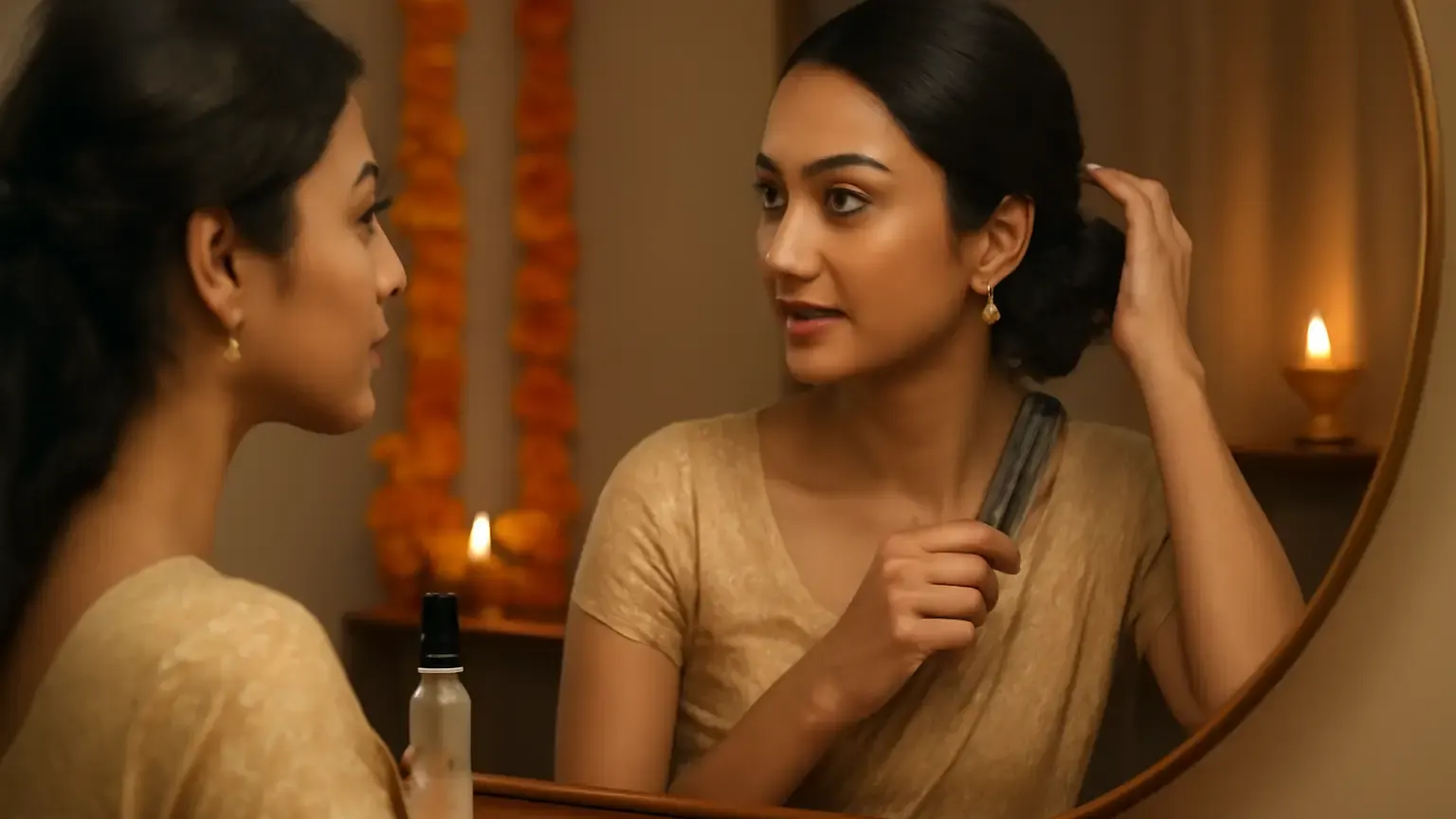
A pre-event hair trial should include the actual outfit neckline, jewellery, hair accessories and the time you expect to wear the look. Style the hair in similar conditions to the event, take photographs from the front and side, and sit, walk and turn your head. This reveals loose pins, uncomfortable grips, visible parting issues and whether the style works with your outfit.
Test the hairstyle after your normal wash routine rather than using an unfamiliar last-minute product. Note the approximate time required, the tools used and where each pin goes. If the look needs more grip, a little texture or a different parting, make that decision now.
A trial is not only for elaborate salon styling. It is equally useful for a simple braid, ponytail or bun. If you are doing it yourself, practise the hand movements once more while the steps are fresh. If someone else is styling your hair, share the reference image and explain what feels uncomfortable or too tight.
Day 1: wash, dry and pack strategically
Follow the hair wash schedule that has already worked for you. Washing the night before may suit hair that styles better with a little grip; washing on the event morning may suit an oily scalp or a look that needs clean bounce. There is no universal answer to how many days before Diwali you should wash your hair—texture, scalp oiliness and the planned hairstyle decide it.
Condition the ends, rinse thoroughly and dry without aggressive towel rubbing. Avoid going to bed with soaking-wet hair. Keep the next day simple: do not add a new mask, oil or chemical service that could change the texture unexpectedly.
Pack your essentials: the tested pins, a spare tie, comb, heat protectant if you will use heat, a small finishing product and any accessory fasteners. If wearing flowers, a heavy maang tikka or decorative clips, check that the weight will not pull on one small section.
Event day: style for comfort and hold
Begin with clean, fully dry hair unless your tested look specifically needs another finish. Section the hair before heat styling, protect it, and allow hot curls or waves to cool before brushing or pinning. Cooling helps the shape settle more effectively than immediately disturbing each section.
Keep tension comfortable around the temples, hairline and nape. A style that looks secure but causes pain is too tight for a long event. Take brief breaks from heavy accessories where possible, and remove pins gently at the end instead of pulling them through knots.
For a quick decision, choose a simple, low-risk style if the weather is humid, the event is long or your hair has been recently coloured or chemically processed. Choose a more detailed heat-styled look only when your hair is in good condition and you have already tested the technique.
Common mistakes to avoid before Diwali
- Trying a drastic haircut too late: a major shape change may need time to settle and may not match the saved reference image.
- Over-washing or skipping shampoo: both can make styling harder if they differ from your normal routine.
- Using too much oil: excess oil can flatten roots and force harsh washing before the event.
- Applying heat without a protectant: a festive hairstyle is not worth avoidable dryness and breakage.
- Testing only the front view: photographs and movement can reveal problems hidden from a mirror.
- Adding too many products: product buildup can make hair dull, sticky or difficult to pin.
Quick takeaway
The most dependable hair care before Diwali is planned but modest: trim around 10–14 days ahead, keep a familiar hair wash schedule, condition according to your texture, detangle gently, protect hair from heat and complete a full hairstyle trial two days before the event. Choose comfort and repeatability over a complicated look that has never been tested.
Products that may help with this routine
Choose only what fits your skin, hair or personal needs. Use the links below to view current options on Amazon India.
Frequently Asked Questions
When should I trim my hair before Diwali?
For most people, a conservative trim 10–14 days before the first important Diwali event gives the ends time to settle while keeping the cut fresh. A fringe or short haircut may need a different appointment window.
What is a 14-day hair care routine before Diwali?
Start with a modest trim and hairstyle plan in days 14–11, settle your wash and conditioning routine in days 10–8, reduce breakage and practise gentle care in days 7–5, prepare for heat and humidity in days 4–3, trial the full look on day 2, and follow your tested wash routine on day 1.
How many days before Diwali should I wash my hair?
There is no fixed number. Wash according to your scalp and the hairstyle you tested: some hair styles better the day after washing, while oily or fine hair may need washing on the event day or the night before.
What is the best way to protect hair from heat styling before Diwali?
Apply a suitable heat protectant as directed, use the lowest effective temperature, work on fully dry hair unless the tool allows damp use, and avoid repeated passes over one section. Lower-heat styles are preferable for brittle or heavily processed hair.
Should I try my Diwali hairstyle before the event?
Yes. Complete a pre-event hair trial with the outfit, jewellery and accessories at least two days before the event. Photograph it from different angles and check comfort, hold, styling time and how it behaves while you move.