An oily skin moisturiser should match more than your skin type: climate, dehydration and the finish you want all matter. For people living in humid Indian cities, a light gel or fluid lotion often feels most comfortable; in dry, cool or air-conditioned environments, a lotion or lighter cream may protect better. The right choice hydrates without a greasy film, supports the skin barrier and sits smoothly under sunscreen and makeup.
Quick answer: gel, lotion or cream?
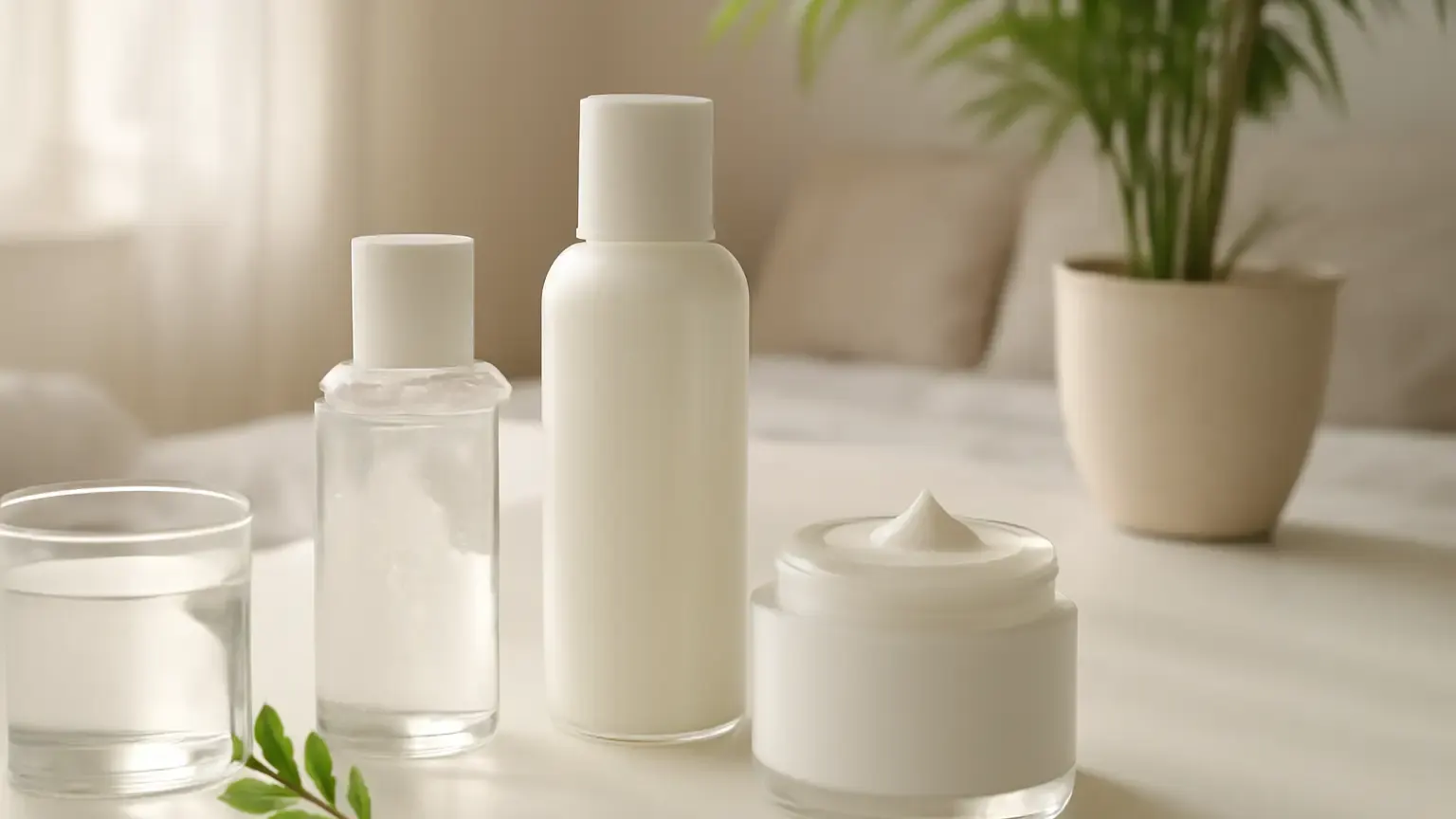
Texture is a useful starting point, but it is not a strict rule based on oiliness alone. A gel is usually the lightest option and suits humid weather, daytime use and people who dislike a noticeable film. A lotion sits between gel and cream: it can provide more lasting comfort while remaining relatively light. A cream is richer and may be useful when oily skin also feels tight, flaky or uncomfortable.
For most oily skin in hot, humid Indian weather, begin with a lightweight, water-based gel or fluid lotion. If your face becomes dry from winter air, frequent cleansing or indoor air-conditioning, move towards a lotion with more emollients or use a light cream only on drier areas. The best moisturiser texture for oily skin is the one that gives comfortable hydration without encouraging you to skip the product altogether.
| Texture | Best suited to | Likely finish | Watch for |
|---|---|---|---|
| Gel | Humid climates, oily skin, daytime | Fresh, light, low-residue | May feel insufficient on dehydrated or dry-prone areas |
| Lotion | Combination-oily skin, changing weather, under makeup | Soft, comfortable, usually natural | Some formulas may still feel shiny |
| Cream | Dehydrated oily skin, cooler or dry conditions, night use | Comforting, dewy or satin | Can feel heavy if highly occlusive |
How climate changes your moisturiser choice
Hot and humid weather
Humidity can make sweat and sebum feel more noticeable, so a heavy layer may be uncomfortable. Choose a gel or very light lotion and apply a small amount to slightly damp skin. Look for a fast-spreading formula that leaves little tackiness. This approach works well for humid weather skincare, particularly when sunscreen will be layered afterwards.
Do not assume that a mattifying product is automatically better. An excessively drying formula can leave skin feeling tight, which may lead to over-cleansing or applying several products to compensate. A comfortable, low-residue oil-free moisturiser is often a more practical choice than a harsh, powdery finish.
Dry winter air or strong air-conditioning
Cooler air and long hours in air-conditioned rooms can increase water loss from the skin. Oily skin may still produce shine while feeling rough or tight. In this situation, a lotion with humectants and barrier-supporting emollients may be more useful than a very thin gel. If certain areas feel persistently dry, press a small amount of cream onto those zones rather than covering the entire face with a rich layer.
Climate can change within the same day. You might use gel in the morning, lotion at night and a richer texture only around the cheeks during winter. Treat texture as adjustable rather than a permanent label for your skin.
Gel vs lotion vs cream for oily skin concerns
For shine and a matte finish
A gel or light lotion is generally easier to pair with a matte finish moisturiser or a separate mattifying sunscreen. However, “matte” can mean different things: some products reduce surface slip, while others contain absorbent powders that may feel dry. If you use a mattifying formula, apply it evenly and wait briefly before sunscreen. Patch-test new products if your skin is sensitive or easily irritated.
For dehydrated oily skin
Dehydration means the skin lacks water; it does not necessarily mean the skin lacks oil. Signs can include tightness after cleansing, dullness, fine lines that look more visible and patches that become flaky beneath makeup. For dehydrated oily skin, prioritise hydrating ingredients such as glycerin, panthenol, beta-glucan or hyaluronic acid, then choose a lotion or light cream if a gel evaporates too quickly.
A product containing humectants may draw water into the outer layers, while emollients help soften the surface. Some occlusive ingredients reduce water loss by forming a protective layer. Occlusives are not automatically unsuitable for oily skin, but a very dense formula may feel uncomfortable across the whole face. Use richer products selectively if needed.
For breakouts or easily congested skin
Texture alone cannot determine whether a product will suit you. A lightweight gel can still contain ingredients that do not agree with your skin, and a cream can be well tolerated by someone else. When choosing a non-comedogenic moisturiser, consider the full formula, keep the rest of the routine simple and introduce one new product at a time. “Non-comedogenic” is a helpful label cue, not a guarantee that every person will respond identically.
Label cues that make comparison easier
Instead of judging a product only by words such as “oil control” or “ultra-light”, check the formula and the way it behaves on your face.
- Water-based or lightweight: Often indicates a fluid, gel or lotion format, though the complete ingredient list still matters.
- Hydrating ingredients: Glycerin, panthenol, sodium PCA, beta-glucan and hyaluronic acid can support a comfortable hydrated feel.
- Emollients: Ingredients such as squalane, fatty alcohols or certain plant-derived oils can soften skin; suitability depends on the whole formula.
- Occlusive ingredients: Petrolatum, dimethicone and similar ingredients can reduce water loss. They may help dry patches but can feel too film-forming for some people.
- Fragrance-free skincare: A useful consideration if fragrance commonly causes discomfort or if your routine already contains several potentially irritating products.
- Non-comedogenic moisturiser: A useful screening phrase for congestion-prone users, but still test the product gradually.
Ingredient order can provide clues, but it does not tell you exactly how a product will feel. The finish depends on the balance of water, humectants, emollients, film-formers and powders. A sample or patch test is more informative than a label promise alone.
Choosing a makeup-friendly moisturiser
The best formula under makeup is not necessarily the thinnest one. It should absorb or settle without leaving excessive slip, pilling or dry patches. A lightweight face moisturiser can work well when applied in a thin, even layer, but a dehydrated complexion may need the more cushioning feel of a lotion.
- Cleanse gently and leave the skin slightly damp rather than completely stripped.
- Apply a small amount of moisturiser, concentrating more on areas that feel tight.
- Wait for the surface to settle before sunscreen and makeup. The exact waiting time depends on the products.
- Use less primer if your moisturiser already leaves a smooth film; too many overlapping layers can cause pilling.
- If foundation separates, test a smaller amount of moisturiser and check whether the textures of your skincare and base product are compatible.
For sunscreen layering, moisturiser should support rather than replace sunscreen. On very humid days, some people may prefer a light moisturiser and a comfortable sunscreen, while others still need moisturiser underneath. Choose based on how your skin feels and avoid reducing the sunscreen amount to make the routine feel lighter.
A simple routine for testing the right texture
Start with one formula for at least several uses instead of changing gel, lotion and cream every day. Apply it to clean skin in the morning and evening, observing four things: comfort after application, shine after a few hours, tightness later in the day and how sunscreen or makeup sits on top.
If the skin feels comfortable but becomes shiny quickly, try less product or a lighter texture. If it feels tight, rough or flaky, add more hydration or move from gel to lotion. If only the cheeks are uncomfortable, keep gel on the oilier centre of the face and use lotion or cream locally. If burning, persistent redness, swelling or worsening irritation occurs, stop the new product and seek advice from a dermatologist or doctor, especially when symptoms are severe or ongoing.
Common mistakes to avoid
- Skipping moisturiser because the skin is oily: This can leave the surface uncomfortable and make the routine harder to balance.
- Choosing the richest product for every dry feeling: First consider whether the issue is dehydration, over-cleansing or a potentially irritating routine.
- Confusing shine with adequate hydration: Oily skin can look shiny and still feel dehydrated.
- Using too much product: A smaller amount may give the same comfort with less residue.
- Changing several products at once: It becomes difficult to identify what caused improvement or irritation.
Takeaway: match the texture to the day
The right oily skin moisturiser is not always the lightest gel. Pick gel for humid conditions and a low-residue daytime feel, lotion for balanced everyday hydration and makeup compatibility, and cream when oily skin is also dehydrated or exposed to dry conditions. Read the label for hydrating ingredients, barrier-supportive emollients and a finish you can comfortably layer. Your climate, comfort and skin response should guide the final choice.
Products that may help with this routine
Choose only what fits your skin, hair or personal needs. Use the links below to view current options on Amazon India.
Frequently Asked Questions
What is the best moisturiser texture for oily skin in humid weather?
A lightweight gel or fluid lotion is usually the most comfortable starting point in humid weather. Choose one that hydrates without a heavy film, then adjust the amount according to shine, tightness and how sunscreen sits.
Is gel moisturiser better for oily skin?
Gel moisturiser is often a good option for oily skin because it feels light and usually leaves less residue. It is not automatically better for everyone: dehydrated oily skin or dry indoor environments may need a lotion or light cream.
Can oily skin use cream moisturiser?
Yes. Oily skin can use a cream when it feels tight, flaky or dehydrated, particularly in cool or dry conditions. Apply a small amount, or use it only on drier areas, and choose a formula that does not feel excessively occlusive.
What ingredients should oily skin avoid in moisturiser?
There is no universal banned-ingredient list for oily skin. Instead, be cautious with formulas that feel persistently greasy, irritating or congesting for you. Introduce products gradually, and consider fragrance-free skincare if fragrance commonly causes discomfort.
What is the best moisturiser for oily dehydrated skin?
Look for a lotion or light cream with hydrating ingredients such as glycerin, panthenol or beta-glucan, plus a comfortable emollient base. If a gel feels comfortable and lasts through the day, it can also work; the key is whether it reduces tightness without excess residue.
How do you choose moisturiser for oily skin under makeup?
Choose a thin, even layer that settles without excessive slip. A light gel or lotion is often makeup-friendly, but a slightly richer lotion may prevent dry patches on dehydrated skin. Allow skincare to settle and avoid stacking too many film-forming products.