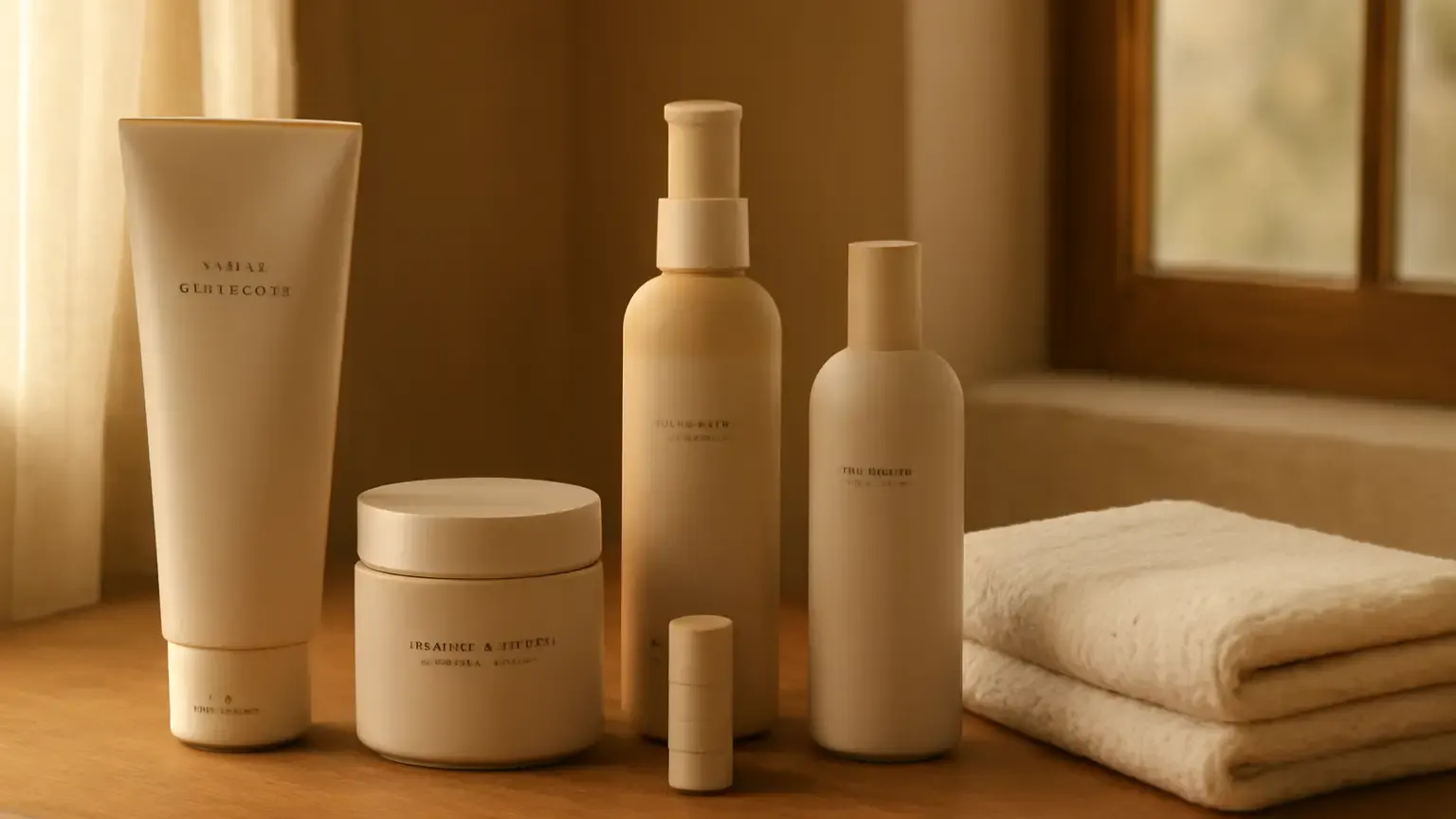
seasonal skin care for dry October air is a cue to adjust texture before your face starts feeling tight. This guide is for people in India moving from humid post-monsoon weather into drier days, especially those using fans or air conditioning. Make three practical changes first: cleanse less aggressively, layer a comfortable moisturiser, and keep sunscreen in the routine. Then protect lips, hands and body so dryness does not become an all-day distraction.
October can feel deceptively warm in India, yet the skin may notice a meaningful shift after the monsoon. Humidity often drops, showers may become more frequent or hotter, and indoor fans or air conditioners keep moisture moving away from the skin. The result is not always dramatic flaking. It may begin as tightness after cleansing, rough cheeks, a less comfortable makeup finish or lips that need constant reapplication.
Why your routine may need a post-monsoon reset
During humid weather, a lightweight gel can feel sufficient because sweat and environmental moisture reduce the sensation of dryness. As the air becomes drier, the same routine may no longer reduce water loss effectively. This does not mean every person needs a heavy cream or a completely new shelf of products. It means your post-monsoon skincare should respond to how your skin feels and to the environments you spend time in.
Skin comfort depends on more than humidity. Cleansing frequency, hot water, exfoliation, air conditioning and the amount of moisturiser applied all matter. If your skin feels comfortable throughout the day, do not make unnecessary changes. If it feels tight immediately after washing, looks dull or develops persistent rough patches, adjust one step at a time.
Start with a gentler cleanser texture
The first useful change in October dry air skincare is often cleansing, not buying a stronger moisturiser. A foaming or strongly fragranced cleanser can feel fresh in humid weather but may leave some skin types uncomfortable when used repeatedly. Consider a gentle cream cleanser, lotion cleanser or low-foam formula if your face feels stripped after washing.
A cleanser should remove sunscreen, sebum and everyday grime without leaving a squeaky finish. “Squeaky clean” is not a reliable sign that skin is clean; it can simply signal that too much surface oil has been removed. In the morning, many people can use lukewarm water or a mild cleanser, depending on their skin and overnight products. In the evening, cleanse thoroughly but avoid repeated passes unless you genuinely need them.
Make the switch without losing freshness
- Use lukewarm rather than hot water; lukewarm water cleansing is kinder to skin that already feels dry.
- Massage cleanser briefly with clean fingertips instead of scrubbing with a rough cloth.
- Pat, rather than rub, and apply moisturiser while the skin is slightly damp.
- If you wear water-resistant sunscreen or makeup, remove it effectively, but do not add an extra cleansing step automatically.
People with oilier or acne-prone skin do not have to abandon gel cleansers. Choose based on comfort, residue and how clean your sunscreen comes off. A balanced routine can still be light while becoming less drying.
Build moisture in layers instead of applying one thick coat
Moisturiser layering is a flexible way to manage October dryness without making the entire face greasy. The basic idea is to add hydration first and then use a moisturiser to reduce water loss. A simple routine might be a gentle cleanser, a hydrating layer if needed, moisturiser and sunscreen in the morning; at night, finish with moisturiser and an optional targeted occlusive layer.
Look at the role of ingredients rather than relying only on product claims. Humectants such as glycerin attract water, emollients help smooth rough texture, and occlusive ingredients form a more protective surface. Barrier-supporting moisturiser formulas may include ingredients such as ceramides, fatty acids, squalane or shea butter, though the best texture is the one you can use consistently.
A practical layering order
- Cleanse and leave the skin slightly damp.
- Apply a light hydrating serum or mist only if it feels useful. A hydrating face mist should not be treated as a complete moisturiser because water that evaporates from the surface can leave skin feeling drier.
- Use a small amount of moisturiser over the face, including the sides of the nose and jawline.
- In the evening, press a little more cream onto the driest areas. An overnight occlusive layer can be used selectively rather than across the whole face if you dislike heaviness.
For combination skin, layer more generously on the cheeks and less on the forehead or nose. For very dry-feeling skin, choose a cream over a watery gel, but introduce it gradually. Patch test new products, especially if your skin is reactive, and avoid adding several unfamiliar products at once.
Keep sunscreen in the October routine
Drier weather is not a reason to stop daytime sun protection. UV exposure can occur during commutes, errands, sitting near windows and outdoor activities even when the sky looks soft after the monsoon. Use a broad-spectrum sunscreen that suits your skin and apply it as the final morning skincare step after moisturiser.
People with dry skin often prefer a lotion or cream sunscreen because it can make the finish more comfortable. Those with combination or oily skin may prefer a lighter fluid, provided it does not leave the face tight. The practical question is not whether the formula is labelled “dewy” or “matte”; it is whether you can apply an adequate amount, tolerate it, and reapply when exposure requires it.
If sunscreen pills, allow each layer a short settling period and reduce the amount of rubbing. Do not rely on a moisturiser or makeup product with SPF as your only sun protection when you are spending meaningful time outdoors.
Manage indoor air dryness, not just outdoor weather
Indoor air dryness can affect comfort even when the temperature outside is pleasant. Air conditioning and constant fan use increase evaporation from exposed skin. You do not need to avoid these appliances, but small habits can help.
- Keep a moisturiser at your desk or bedside so reapplication is convenient.
- Apply hand cream after washing, particularly around knuckles and cuticles.
- Avoid directing an air-conditioner vent or fan straight at your face for long periods.
- Drink normally according to thirst; simply drinking excessive water is not a substitute for topical moisturising.
- If indoor air feels unusually dry, sensible ventilation and a clean, appropriately maintained humidifier may improve comfort. Follow the appliance’s cleaning instructions.
A facial mist can feel refreshing at work, but use it with a moisturiser if your skin is dry. Repeatedly misting without sealing in moisture may not solve tightness.
Do not forget body care, lips and hands
October dryness often shows first on the body because long, hot showers and soap can remove surface oils. Keep showers comfortably warm and brief, use cleanser mainly where needed, and apply body lotion for dry skin within a few minutes of patting dry. A richer cream is useful for shins, elbows, knees and feet, while a lighter lotion may be more comfortable in humid parts of the day.
For lips, use a plain balm regularly and consider a lip balm with SPF for daytime outdoor exposure. Avoid repeatedly licking dry lips, as saliva evaporates quickly and can increase discomfort. Hands may need a separate cream after washing, especially for people who use sanitiser frequently or work in air-conditioned offices.
Common mistakes during the seasonal switch
More products are not automatically better skin care for October dryness. These mistakes can make the transition harder:
- Over-exfoliating: acids, scrubs and polishing tools used too frequently can make roughness feel worse. Reduce frequency when skin is tight or sensitive.
- Changing everything at once: you will not know which product helped or caused irritation. Start with cleanser and moisturiser, then reassess.
- Using a very heavy cream everywhere: targeted layering can be more comfortable than coating an oily T-zone.
- Skipping sunscreen because the air feels cooler: temperature does not determine UV exposure.
- Ignoring the body: facial products cannot compensate for hot showers and neglected body moisturising.
- Chasing immediate softness with fragrance: fragrance-free skincare can be a sensible choice when the barrier feels unsettled, although “fragrance-free” does not guarantee that every formula will suit everyone.
A simple morning and evening plan
For morning, cleanse gently if needed, apply a light hydrating layer, use moisturiser where your skin feels dry, and finish with sunscreen. Add lip protection and hand cream as practical. For evening, remove sunscreen and makeup thoroughly, cleanse without scrubbing, apply moisturiser to slightly damp skin, and add a richer layer only to areas that need it.
Give the routine several days before judging the texture. If your face remains comfortable, there is no need to keep increasing product quantity. If tightness persists despite gentle care, or if you develop painful cracking, marked redness, swelling, oozing or a worsening rash, seek advice from a dermatologist or doctor rather than repeatedly experimenting with cosmetics.
Takeaway: switch before tightness becomes the signal
The most useful seasonal skin care for dry October air is responsive rather than complicated. Use a less stripping cleanser, layer hydration under a suitable moisturiser, protect skin with sunscreen, account for air-conditioned rooms, and extend the same care to your lips, hands and body. Start with the smallest change that improves comfort, then adjust texture and quantity for your skin type and daily environment.
Products that may help with this routine
Choose only what fits your skin, hair or personal needs. Use the links below to view current options on Amazon India.
Frequently Asked Questions
How do I change my skincare routine in October?
Begin by replacing a stripping cleanser with a gentler texture if washing leaves skin tight. Apply moisturiser to slightly damp skin, layer more on dry areas, continue broad-spectrum sunscreen, and reduce exfoliation if the skin feels sensitive. Adjust one step at a time.
What is the best skincare routine for dry October air in India?
Use a gentle cleanser, an optional glycerin-based hydrating layer, a barrier-supporting moisturiser and sunscreen in the morning. At night, cleanse thoroughly but gently, moisturise, and use a richer layer on dry patches. Include body lotion, hand cream and lip balm.
Should I use a cream cleanser in October?
A cream cleanser can be helpful if a foaming cleanser leaves your face tight, rough or uncomfortable. It is not compulsory for everyone, particularly if a mild gel cleanser already cleans effectively without dryness. Choose based on comfort and residue rather than season alone.
How should I layer moisturiser for dry skin?
Apply a light hydrating product to slightly damp skin, follow with moisturiser, and add a small amount of richer cream or an occlusive product only to persistently dry areas at night. Use less on oily zones to avoid heaviness.
Does indoor air conditioning dry out skin?
Air conditioning can make the surrounding air feel drier and may increase water loss from exposed skin. Keep a moisturiser nearby, avoid directing vents at your face, apply hand cream after washing and use a moisturiser over any facial mist.
What sunscreen is best for dry skin in October?
Choose a broad-spectrum sunscreen with a finish you can apply generously and reapply as needed. A lotion or cream texture may feel more comfortable on dry skin, while combination skin may prefer a lighter fluid. Tolerance and consistent use matter more than a marketing label.