Hair care for long hair is less about collecting products and more about reducing daily friction, pulling and rough handling. This guide is for anyone in India growing, maintaining or detangling long hair, especially through humid weather and frequent wash days. The most useful decisions are simple: detangle from the ends, condition the lengths, dry gently, choose low-tension styles and protect hair from pillow friction at night.
Long hair has more length exposed to friction, sunlight, sweat, pollution and repeated handling. The oldest ends have also been through more wash cycles and styling, so they usually need gentler treatment than the hair near the roots. Breakage prevention is therefore a routine, not a single miracle product.
1. Brushing from the roots down
One of the most common detangling mistakes is starting at the scalp and dragging knots through the full length. The force collects at the ends, where the hair is often driest and most fragile. This can cause snapping even when the brush itself feels comfortable.
A gentler method for detangling long hair
- Separate the hair into two or four manageable sections.
- Hold each section above the knot to reduce pulling on the scalp.
- Use your fingers first for large tangles.
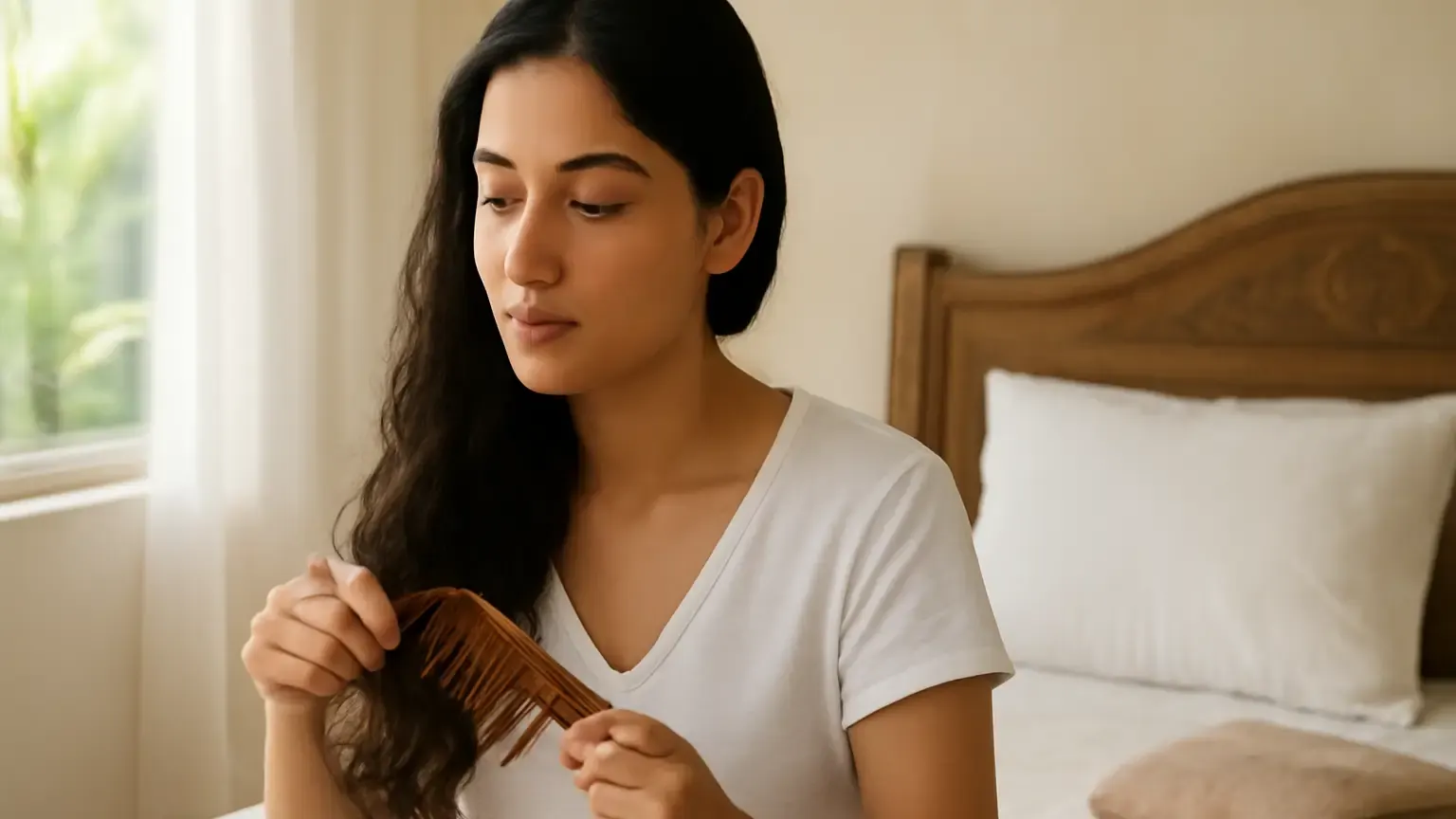
- Work with a wide-tooth comb from the ends upwards, moving a few centimetres at a time.
- Finish with a gentle pass through the lengths rather than repeated brushing.
On wash days, detangle when the hair has some slip from conditioner, unless your hair becomes more fragile when wet. Very curly or textured hair may be easier to separate with conditioner in the hair, using fingers or a suitable detangling tool.
2. Treating wet hair as if it were indestructible
Wet hair stretches more easily. Rough towel rubbing, pulling a tight elastic over damp lengths or sleeping with soaking-wet hair can increase mechanical damage. That does not mean you must avoid touching wet hair; it means you should reduce tension and friction while it dries.
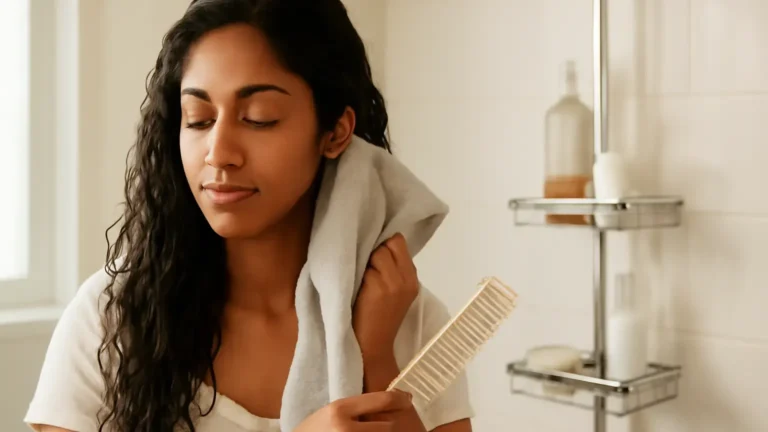
After rinsing, gently squeeze out excess water with your hands. Wrap the hair in a microfiber hair towel or a soft cotton T-shirt for a short period, then allow it to air-dry partially. Do not twist the towel into a tight turban if your hair is heavy or prone to tangling.
If you use a hair dryer, keep it moving, choose a moderate temperature and hold it away from the hair. A heat protectant is useful before regular blow-drying or styling, but it cannot make high heat harmless. This is a practical way to limit heat styling damage while preserving time on busy mornings.
3. Skipping conditioner on the lengths
Shampoo cleans the scalp; conditioner improves slip and helps the lengths feel smoother during combing. Skipping it can make tangles harder to remove and increase the number of strokes needed to style the hair. Apply conditioner mainly from the mid-lengths to the ends, adjusting the amount if your hair is fine or easily weighed down.
A deep conditioning treatment can be useful when the lengths feel rough, knot quickly or look dull after frequent styling. It is not automatically better than regular conditioner, and more product is not always more moisture. Start according to the product instructions, then assess how the hair feels after rinsing.
For a simple long hair care routine, use regular conditioner after each shampoo if it suits your hair, and add a deeper conditioning step when the lengths need extra softness. A small amount of leave-in conditioner can help with combing, but apply it mainly to the areas that tangle rather than coating the scalp.
4. Wearing high-tension styles every day
A sleek ponytail or bun can be convenient, particularly in India’s heat, but constant tension in the same area can make hair more vulnerable to snapping. Tight styles may also create visible kinks and tug at the hairline. Protective styling should reduce rubbing and manipulation, not simply pull the hair more firmly.
Better choices for everyday wear
- Rotate the position of ponytails and buns instead of securing them at the same spot daily.
- Choose soft, snag-free ties and avoid fastening them repeatedly over the same hairs.
- Try a loose braid, low ponytail or relaxed bun for commuting and household tasks.
- Keep the style comfortable; pain or a tight pulling sensation is a reason to loosen it.
The best protective hairstyles for long hair are low-tension, secure enough for the activity and easy to undo without ripping through knots. A style that protects the ends but strains the roots is not a good trade-off.
5. Ignoring split ends until they travel upwards
Split ends cannot be permanently fused back together with oil or conditioner. Smoothing products can improve the appearance temporarily, but the split portion remains damaged. Leaving visibly split ends untouched may allow more splitting along the shaft, especially when the ends keep catching on clothing and combs.
Look at the ends in good light rather than trimming impulsively every week. A small, professional trim when the ends are persistently splitting can remove the most damaged portion while preserving length. Between trims, use conditioner, reduce friction and avoid repeatedly heat-styling the same ends.
6. Drying hair aggressively or going to bed with it loose
How to dry long hair without frizz depends on reducing rubbing while the cuticle is still settling. Blot rather than scrub, use a clean soft fabric and direct airflow down the length if blow-drying. In humid weather, hair may take longer to dry, so plan wash days early enough to avoid tying up very wet hair.
Nighttime hair care is another overlooked source of breakage. Loose hair can rub against cotton bedding, catch under your shoulder or form dense knots while you turn in sleep. Before bed, gently remove tangles and choose a loose braid or low ponytail with a soft tie. Do not make the braid tight at the scalp or tie wet hair tightly.
7. Choosing bedding and habits that create friction
Cotton pillowcases are practical, but a rough or heavily textured surface may create more friction than a smoother fabric. A silk pillowcase can reduce surface drag for some people, particularly if their hair tangles easily. It is a helpful option, not a requirement, and it will not compensate for tight hairstyles or rough detangling.
Is a silk pillowcase good for long hair? It can be, especially when the main problem is overnight rubbing, but the benefit depends on the fabric, care and your overall routine. A smooth satin pillowcase is another option; check the care instructions and replace or wash bedding regularly.
A practical hair care for long hair routine
- Before washing: Separate large tangles with your fingers and detangle gently from the ends if needed.
- During washing: Massage shampoo into the scalp without piling the lengths on top of the head.
- After shampooing: Condition the mid-lengths and ends, then rinse thoroughly.
- After washing: Squeeze out water, blot gently and use a suitable leave-in conditioner if the hair needs extra slip.
- While styling: Limit high heat, rotate hairstyles and avoid pulling through knots.
- At night: Let the hair become mostly dry, detangle lightly and secure it loosely or use smoother bedding.
For how to care for long hair in humid weather, prioritise full but gentle drying, lightweight products and styles that keep the ends from rubbing against sweaty clothing. Avoid layering heavy oils and creams simply to fight frizz; buildup can make the hair feel coated and harder to cleanse.
How to decide what your hair needs
If tangles are the main issue, focus first on conditioner, careful sectioning and a suitable comb. If roughness follows heat styling, reduce temperature and frequency before adding more products. If the ends are splitting, a trim and better friction control may help more than another mask. If the scalp becomes persistently itchy, painful, unusually flaky or develops a concerning change, seek advice from a dermatologist rather than treating the symptom only with cosmetic products.
Long hair does not need an elaborate schedule. Consistent low-friction handling, sensible conditioning and low-tension styling usually make the biggest difference. The takeaway: hair care for long hair works best when every step protects the oldest, most vulnerable part—the ends.
Products that may help with this routine
Choose only what fits your skin, hair or personal needs. Use the links below to view current options on Amazon India.
Frequently Asked Questions
What is the best way to detangle long hair?
Separate the hair into sections, loosen large knots with your fingers and use a wide-tooth comb from the ends upwards. Hold the section above the knot to reduce pulling on the scalp.
How often should you deep condition long hair?
There is no universal schedule. Start with a deep conditioning treatment every one to two weeks if the lengths feel dry or rough, then adjust based on how your hair responds and the product directions.
How do you sleep with long hair without breakage?
Let the hair become mostly dry, remove tangles gently and secure it in a loose braid or low ponytail with a soft tie. A smooth satin or silk pillowcase may also reduce overnight friction.
Is a silk pillowcase good for long hair?
It can reduce surface friction and overnight tangling for some people. It is helpful but optional; loose hairstyles and gentle detangling remain important.
How can you dry long hair without frizz?
Blot rather than rub with a microfiber towel or soft T-shirt, avoid rough twisting and use moderate moving airflow if blow-drying. In humid weather, allow enough time for the hair to dry before tying it up.