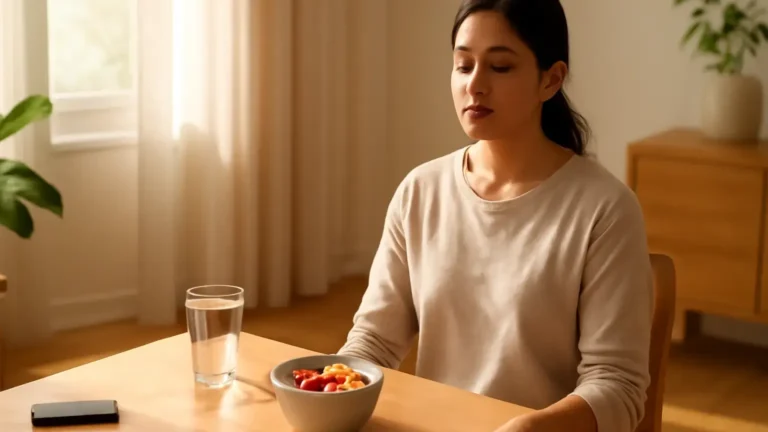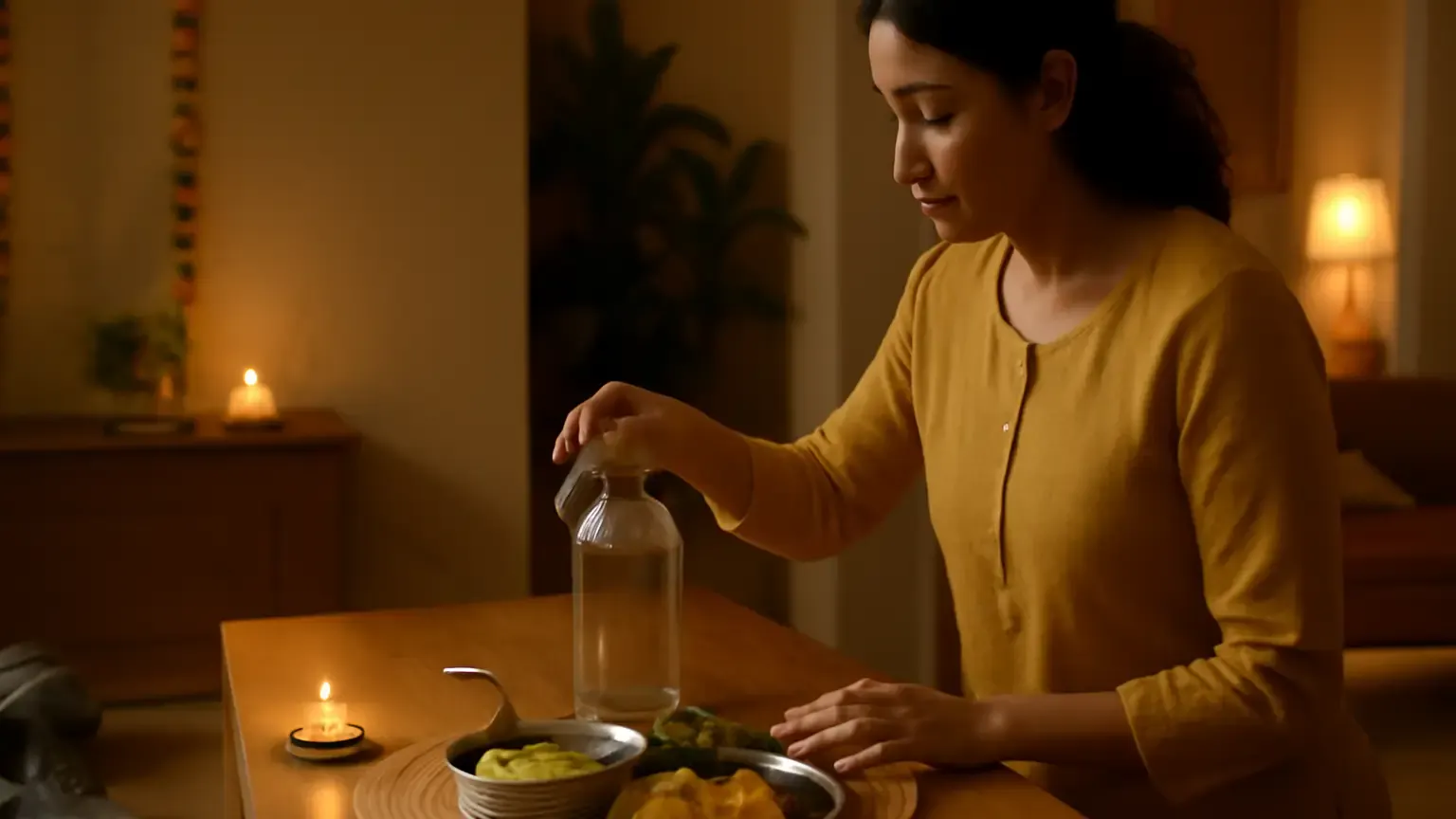
A festive season wellness routine works best when it bends without breaking: drink water at regular cues, eat a protein- and fibre-rich meal before parties, choose small portions of favourite treats, walk or stretch briefly, and protect a consistent wake time after late nights. This guide is for anyone balancing Indian celebrations, travel and social plans while trying to maintain energy, comfortable digestion, steady sleep and a sense of control without skipping the fun.
Festivals are not a test of perfect discipline. In India, a single week may include family lunches, office gatherings, puja, travel, sweets at home and celebrations that run well past your usual bedtime. Trying to follow your weekday routine exactly can create unnecessary guilt; abandoning every routine can leave you tired, dehydrated and uncomfortable.
The practical goal is to protect a few anchors. Keep water visible, eat something nourishing before arriving hungry at a party, build meals around protein and fibre, add short bouts of movement, and return to a familiar sleep schedule as soon as possible. These small decisions are more sustainable than compensating with extreme restriction the next day.
What a realistic festive season wellness routine includes
A useful festive routine has four non-negotiables: hydration, meal structure, movement and sleep. The details can change according to your celebration, but the anchors remain stable.
- Hydration: Use waking, meals, travel breaks and returning home as reminders to drink water. Thirst is not the only cue; a dry mouth, headache or unusually dark urine can indicate that you need fluids.
- Meals: Do not “save all your calories” for a party. A normal meal earlier in the day makes mindful indulgence easier and reduces rushed eating.
- Movement: A 10-minute walk, gentle mobility session or a few active household tasks can maintain momentum when a full workout is unrealistic.
- Sleep: Protect the wake time you can control, dim lights when you return home and avoid turning one late night into several days of sleep debt.
This approach suits people with busy work schedules, parents, students, frequent travellers and anyone who wants wellness tips for festive season celebrations without treating traditional food or socialising as a problem.
Build festive hydration into your day
Festive hydration is easier when it is linked to events rather than a rigid target. Drink a glass of water after waking, with breakfast, before leaving for a gathering and when you return home. During long car journeys or shopping trips, carry a refillable bottle and take a few sips whenever you check your phone or stop for a break.
Water is the simplest choice, but unsweetened lemon water, plain soda with lemon, chaas or a lightly spiced homemade drink can also fit. If you are attending a hot outdoor event, sweating, travelling or drinking alcohol, pay closer attention to fluids. Alcohol can affect sleep and judgement, so alternating an alcoholic drink with water is a sensible harm-reduction habit. Choose alcohol-free festive drinks when you want something celebratory without adding alcohol.
Do not force excessive water in a short period. People with medical conditions that require fluid or electrolyte limits should follow their clinician’s advice rather than general festive hydration guidance.
Make balanced festive meals easier
Balanced festive meals do not need to look like diet food. At a buffet or family table, scan all the options first, then choose the dishes you genuinely want. A useful plate can include a protein source such as dal, paneer, curd, eggs, fish or chicken; vegetables or salad; and a sensible serving of rice, roti, dosa or another carbohydrate. Add a favourite sweet instead of taking every dessert automatically.
Use a pre-party snack
A pre-party snack can prevent arriving ravenous. Try fruit with yoghurt, roasted chana, a handful of nuts, a paneer or egg sandwich, or a bowl of dal. The best option depends on your appetite, travel time and dietary preferences, but it should be familiar, filling and easy to digest. This is especially useful before late dinners, when waiting several hours can lead to fast eating and discomfort.
Practise portion control at parties without refusing everything
Portion control at parties is not about eating tiny amounts. Take a small first serving, sit down to eat, and pause before returning for more. If you love a particular mithai, have a portion slowly and enjoy it rather than grazing on several unplanned bites. Sharing a dessert or choosing one sweet at a time can help when many options are available.
Social eating also includes food offered by relatives. A warm “I’ll have a little now and save the rest for later” is often more practical than a strict refusal. If you are observing Navratri fasting or following another religious eating pattern, plan suitable foods in advance and avoid making up for restriction with a very large meal at night.
Keep movement light, frequent and realistic
A light movement routine is valuable during a celebration-heavy week because it supports energy and breaks up long periods of sitting. It does not need to be a demanding workout. Walk for 10 to 20 minutes after a meal when convenient, take stairs for one or two floors, dance at home, or do gentle stretches for the hips, back, shoulders and calves while getting ready.
On a travel day, try two or three short movement breaks instead of waiting for one uninterrupted exercise window. A simple circuit could include marching in place, wall push-ups, sit-to-stand movements from a chair and calf raises. Keep the effort comfortable, especially after a late night, in hot weather or if you are not accustomed to exercise.
People with injuries, pregnancy-related needs or health concerns should choose movement appropriate for them and seek professional guidance when necessary. The aim is consistency, not punishment for eating festive food.
Protect sleep around late-night celebrations
Sleep hygiene during festivals requires flexibility. You may not be able to leave every gathering early, but you can reduce the impact of a late night.
- Plan the next morning: If possible, avoid scheduling an early workout or demanding task after a celebration.
- Set a departure cue: Decide in advance when you will leave, particularly if several late nights are planned.
- Keep the wake time fairly steady: Sleeping slightly later may help, but a very large shift can disturb your circadian rhythm and make the next night harder.
- Use a short wind-down: Lower the lights, wash your face, change into comfortable clothing and keep your phone away from the bed if scrolling tends to prolong wakefulness.
- Be thoughtful with caffeine: Tea and coffee late in the day may make it harder to sleep, even when you feel tired after socialising.
For practical late-night celebration tips, prioritise the next night rather than trying to “fix” sleep with extreme measures. A brief daytime nap may help some adults, but keep it earlier and short enough that it does not replace nighttime sleep. If you snore loudly, have persistent insomnia, or feel excessively sleepy despite enough time in bed, discuss it with a doctor.
Manage festive stress without withdrawing from plans
Festive stress management is part of wellness because crowded calendars, family expectations, travel and financial pressure can affect sleep and eating. Choose the events that matter most instead of accepting every invitation by default. Group errands, keep one quiet period in the day, and prepare simple breakfasts or snacks so every meal does not become a decision.
Use a two-minute reset between activities: drink water, take slow breaths, loosen your shoulders and decide what you need next. If conversations become overwhelming, stepping outside briefly or helping with a practical task can create space without abandoning the gathering. Wellness should support connection, not isolate you from it.
Common mistakes to avoid during the festive season
Skipping meals before a party: This often leads to fast eating and makes it harder to notice fullness. A pre-party snack is usually more useful.
Trying to compensate the next day: Severe restriction or an exhausting workout can increase fatigue and make the cycle repeat. Return to regular meals, water and moderate movement instead.
Treating sweets as a failure: One dessert does not undo your routine. Decide what you want, eat it attentively and continue normally.
Relying only on thirst: Busy days can make you overlook fluids. Link drinking water to routine events and carry it when travelling.
Assuming one late night ruins the week: A single disruption is manageable. The next useful choice is often a normal breakfast, a walk, an earlier dinner or a consistent bedtime.
A simple healthy festive routine India plan
Use this flexible template on a typical celebration day:
- Morning: Drink water, eat a familiar breakfast and get a few minutes of daylight or easy movement.
- Midday: Have a balanced meal with a protein source, vegetables and a satisfying carbohydrate. Do not wait until evening to eat.
- Before the event: Take a pre-party snack if dinner will be late, and carry water.
- At the celebration: Scan the food, choose favourite dishes, eat seated when possible and alternate richer items with lighter choices.
- After returning: Drink according to thirst, complete a short wind-down and keep the room cool, dark and quiet.
- Next day: Resume regular meals and a light movement routine. Adjust the evening bedtime rather than chasing perfection.
The best festive season wellness routine is the one that leaves room for family, faith, food and rest. Keep your anchors, make deliberate choices around the flexible parts, and let one unusual day remain just one unusual day.
Products that may help with this routine
Choose only what fits your skin, hair or personal needs. Use the links below to view current options on Amazon India.
Frequently Asked Questions
How can I maintain a healthy routine during the festive season?
Keep four flexible anchors: drink water at regular cues, eat a balanced meal before or during celebrations, add short bouts of walking or stretching, and return to a fairly consistent wake time after late nights. Avoid skipping meals or trying to compensate the next day.
What should I eat before a festive party in India?
Choose a familiar pre-party snack containing protein or fibre, such as fruit with yoghurt, roasted chana, nuts, a paneer or egg sandwich, or dal. It should reduce extreme hunger without making you feel too full before the event.
How can I sleep better after a late-night celebration?
Keep the next morning reasonably consistent, limit late caffeine, dim lights when you return, reduce phone scrolling and use a short wind-down routine. If you nap, keep it brief and earlier in the day so it does not disrupt nighttime sleep.
How much water should I drink during festivals?
There is no single amount for everyone. Use regular cues such as waking, meals, travel breaks and returning home, and drink more thoughtfully in heat or after sweating. People with fluid restrictions should follow their doctor’s advice.
How can I stay active during Diwali celebrations?
Use short, practical opportunities: walk after meals, take stairs, dance, help with household tasks or do a 10-minute mobility routine. Several brief sessions can be more realistic than waiting for a full workout.
Can I enjoy sweets and still follow a festive wellness routine?
Yes. Choose the sweets you genuinely want, take a moderate serving, eat slowly and avoid grazing automatically. Continue with normal meals and movement rather than restricting food to compensate.