Seasonal hair care for festival heat styling works best when you plan protection before the first blow-dry, not after dryness appears. This guide is for anyone attending several celebrations in India’s warm or humid weather and using irons, curlers or repeated blow-outs. Wash at the right time, condition without weighing hair down, apply heat protectant in sections, use the lowest effective temperature and refresh selectively. The result is a smoother style with less avoidable dryness between events.
Festive dressing often comes with a sequence of blow-dries, straightening, curls, sleek buns and quick touch-ups. One event may not feel excessive, but repeated high heat can gradually reduce moisture and make hair feel rough, dull or less flexible. Humidity can then worsen frizz, encouraging more passes with a hot tool and creating a damaging cycle.
A safer approach is not to avoid styling altogether. It is to manage the variables: clean hair, moisture, heat, friction, time between tools and recovery. Your hair’s thickness, texture, colour history and condition should guide the routine. Fine hair usually needs less product and lower heat, while dense or coarse hair may need more sectioning rather than automatically using the highest setting.
Build seasonal hair care for festival heat styling around timing
Good festival hairstyle preparation begins one or two wash days before the main celebration. Avoid experimenting with a new chemical service, aggressive scrub or unfamiliar intensive product immediately before an important event. A routine that is already comfortable for your hair is easier to predict.
Choose sensible hair wash timing before events
Hair wash timing before events depends on your scalp and the style. For an open, bouncy look, washing the day before can give the hair some grip while allowing it to dry fully. Very fine or oily hair may look fresher when washed on the same day, provided there is enough time for complete drying. Curly or dry hair may benefit from washing earlier so the natural pattern settles before styling.
Do not use a hot tool on damp hair unless it is specifically designed for that purpose and the instructions allow it. Water left inside the fibre can heat rapidly. Towel-blot gently, use a wide-tooth comb where appropriate and let the hair become fully dry before a straightener or curling iron touches it.
Condition for softness without creating a heavy finish
Deep conditioning for dry hair can be useful before a busy celebration season, especially when repeated styling leaves the lengths stiff or coarse. Apply a rinse-out mask mainly from mid-lengths to ends, following its instructions. If your hair is fine, use a smaller amount and rinse thoroughly; a heavy coating can flatten volume and make you reach for more heat to reshape it.
A regular conditioner is often enough for a normal wash. On another wash day, a light pre-styling hair treatment or leave-in conditioner can improve slip and reduce combing friction. These products support manageability, but they do not make hair heat-proof. Keep scalp products away from the scalp if they cause oiliness or discomfort, and avoid layering several rich products simply because an event is approaching.
Apply heat protection correctly, not just quickly
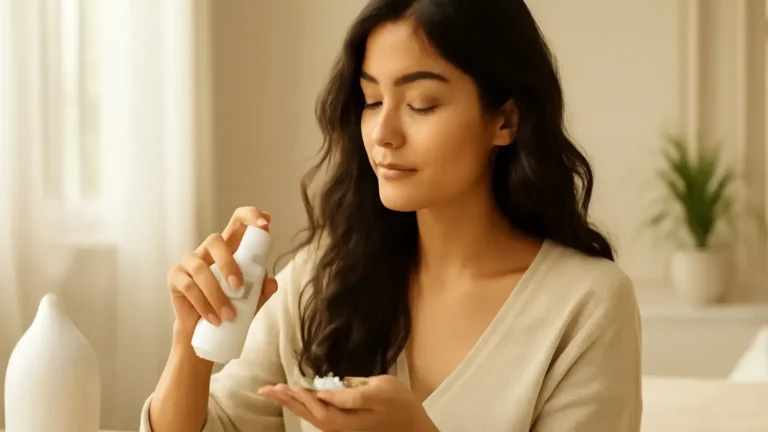
A heat protectant spray for hair should be distributed evenly over the sections that will meet the tool. Divide the hair into manageable layers, mist according to the product directions and comb or smooth through to spread it. Give a wet spray time to dry before using a hot iron. Spraying a large amount on the surface and immediately clamping it can leave patches damp and unevenly exposed to heat.
For blow-drying, apply protectant to towel-dried hair if the product is intended for damp use. For a dry-hair touch-up, use only a formula labelled for dry hair when possible, and let it settle before the next pass. Can I use heat protectant on dry hair for touch-ups? Sometimes, but the answer depends on the product directions; not every spray is designed for dry application. A dry styling cream or serum may help with surface frizz, but it is not automatically a thermal protectant.
Choose temperature and technique before styling
The best flat iron temperature for hair is the lowest setting that creates the desired shape in one controlled pass. Start low, particularly with fine, bleached, highlighted or already dry hair, and increase only if necessary. Thick hair may need a moderate setting, but it still benefits more from narrow sections and steady movement than from maximum heat.
For curls, wrap a clean section once and release it rather than repeatedly clamping the same area. Curling iron heat damage becomes more likely when the tool stays still, the section is too thick or the hair is reheated several times. Keep the iron moving at a consistent pace, protect the hands and ears from accidental contact, and follow the tool manufacturer’s safety instructions.
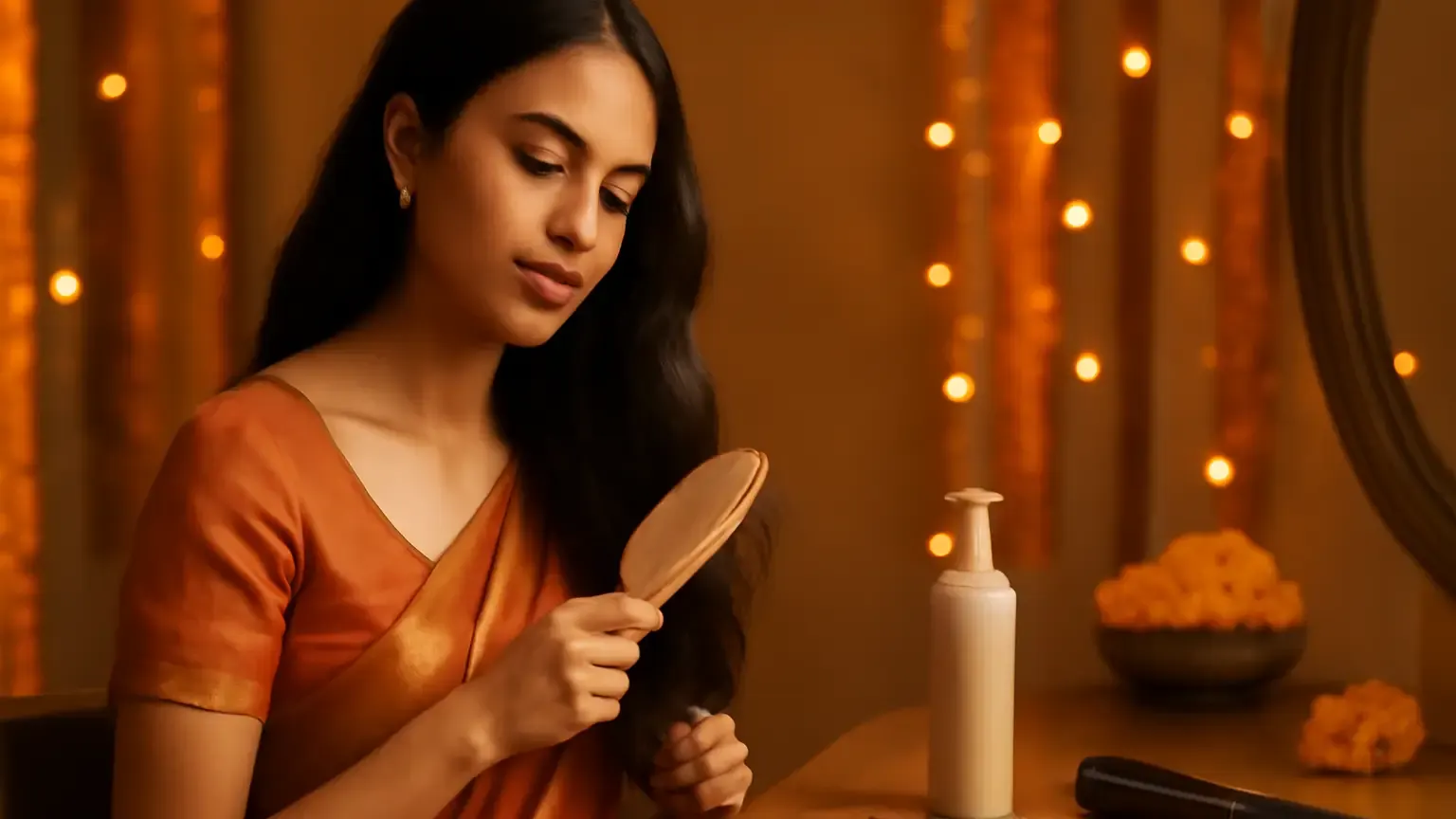
Blow-drying also counts as heat styling. Keep the dryer moving, direct airflow down the hair shaft where practical and finish with a cooler setting if it helps the shape settle. Avoid pulling tightly with a brush while the hair is wet and fragile. Hair breakage prevention is partly about reducing tension, not just choosing a product.
Plan touch-ups between celebrations
Hair touch-up between events should target only the areas that have lost shape. Brush or detangle gently, then assess whether you need to restyle the whole head. Often, smoothing the crown, refreshing the front sections or reshaping the ends is enough. Re-running a straightener over every strand each day adds exposure without necessarily improving the result.
Use a small amount of anti-frizz hair products on the surface rather than saturating the lengths. A lightweight serum can help reduce flyaways, while a little dry shampoo may refresh oily roots if it suits your scalp. Allow aerosols and styling products to dry as directed, and remove pins or tight elastics carefully after the event.
For humid venues, a humidity-proof hairstyle does not mean a completely sealed or rigid finish. A braid, low bun, clipped half-up style or textured ponytail can reduce the need to fight the weather with repeated heat. Choose a style that works with your natural texture and secure it without excessive pulling.
Use a recovery routine after repeated styling
An overnight hair recovery routine should be simple: remove accessories, detangle from the ends upward, and avoid sleeping with damp hair tightly tied. If the lengths feel dry, apply a small amount of a suitable leave-in product or serum to the ends. A smooth pillowcase may reduce friction, but it cannot compensate for frequent high-temperature styling.
At the next wash, cleanse the scalp thoroughly without scrubbing the lengths harshly. Condition from mid-lengths to ends and let the hair air-dry partly or fully when your schedule allows. Take at least one low-heat or no-heat day between major events where possible. If hair feels gummy, unusually stretchy, snaps easily or develops persistent split ends, pause intensive heat styling and consider advice from a qualified hair professional or dermatologist.
Common festive styling mistakes to avoid
- Using maximum heat by default: High settings do not guarantee a longer-lasting style and can increase dryness.
- Styling damp hair: Make sure the hair is fully dry before using a standard flat iron or curling iron.
- Applying too much product: Heavy layers can create buildup, limpness and the urge to restyle.
- Repeating passes: Work in smaller sections and move the tool steadily instead of clamping the same strand repeatedly.
- Ignoring the scalp: Tight styles, sweat and product residue can feel uncomfortable; loosen the style after the event and wash according to your normal needs.
- Trying a drastic change before a major function: Test new products and techniques earlier, when there is time to adjust.
A practical decision guide for your hair type
For fine or oily hair, choose lighter conditioner, modest product amounts and the lowest effective temperature. For thick or coarse hair, prioritise thorough drying, sectioning and a controlled tool speed instead of simply increasing heat. For curly or wavy hair, preserve the pattern on non-event days and use targeted smoothing or reshaping rather than brushing and reheating the entire head.
Coloured, bleached or chemically treated hair generally deserves extra caution because it may already feel dry or fragile. Use fewer passes, avoid back-to-back high-heat sessions and add recovery days. If your hair is already breaking, heat styling is not the right place to push for a dramatic transformation; select a low-manipulation style instead.
Concise takeaway
The most reliable seasonal hair care for festival heat styling plan is: wash early enough for the hair to be fully dry, condition according to its weight and texture, apply the correct heat protectant evenly, use the lowest effective temperature, touch up only what needs attention and schedule recovery between celebrations. Protecting the fibre before styling is more useful than trying to repair the effects of repeated heat afterwards.
Products that may help with this routine
Choose only what fits your skin, hair or personal needs. Use the links below to view current options on Amazon India.
Frequently Asked Questions
How can I protect hair before festive heat styling?
Start with clean, fully dry hair, condition the lengths, apply a compatible heat protectant in sections and use the lowest effective temperature. Limit the number of passes and choose a low-heat style when the hair already feels fragile.
When should I wash my hair before a festival?
Wash the day before if you want some natural grip and have hair that styles better after settling. Fine or oily hair may suit same-day washing, while dry or curly hair may be easier to style after an earlier wash. Always allow complete drying.
What temperature should I use for a flat iron?
Use the lowest setting that shapes your hair in one controlled pass. Start especially low for fine, bleached, highlighted or dry hair, and rely on smaller sections rather than maximum heat for dense hair.
How do I refresh a festival hairstyle without more damage?
Touch up only flattened or frizzy areas, use a small amount of suitable surface product and consider a braid, bun or clipped style. Avoid running a hot tool over the entire head between events.
How can I recover dry hair after repeated heat styling?
Take low-heat days, use a suitable conditioner or occasional deep-conditioning treatment, detangle gently and avoid tight styles on damp hair. Persistent breakage, unusual stretchiness or scalp concerns merit professional advice.