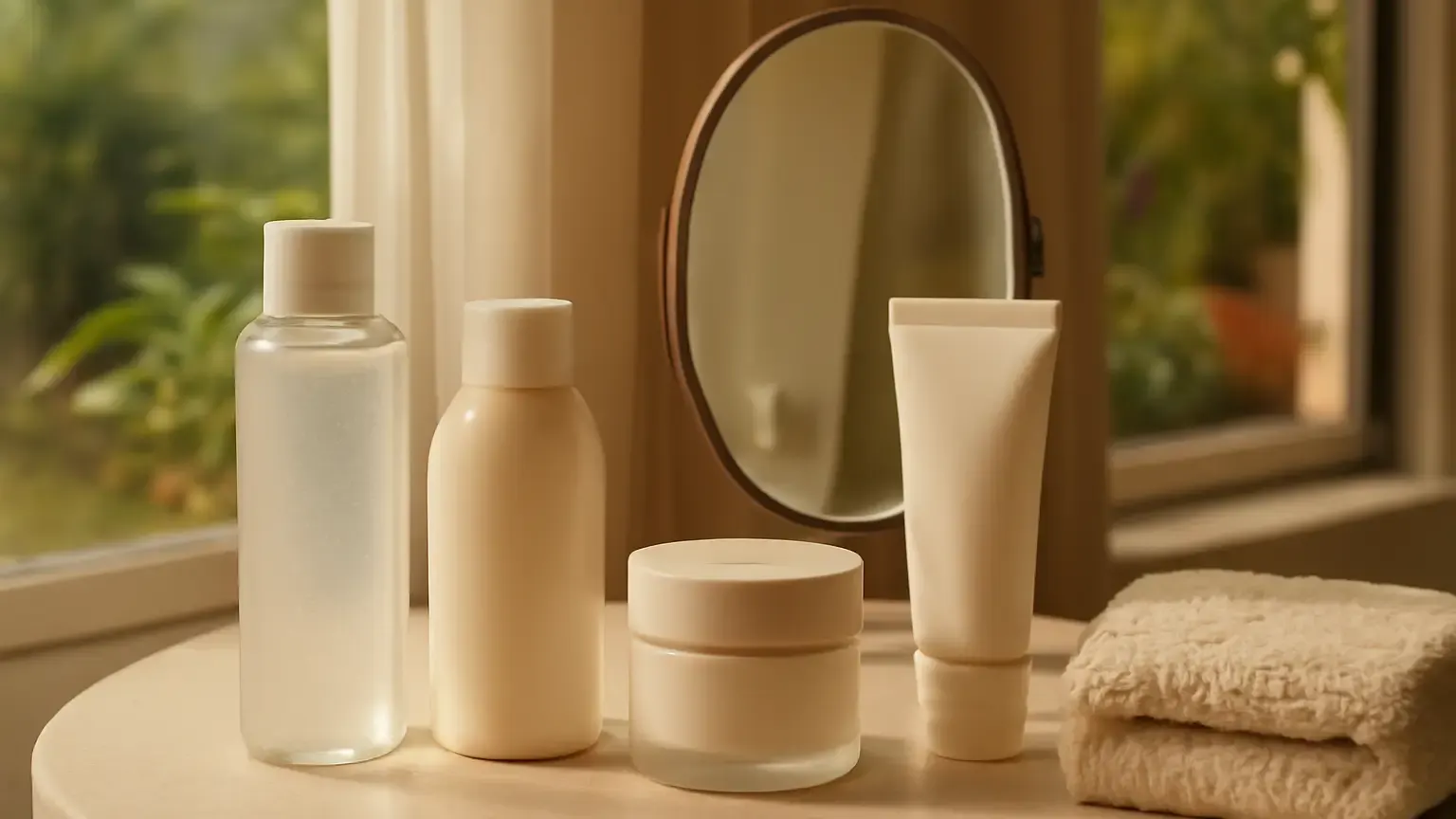
Seasonal skin care for October is about adjusting texture and frequency, not replacing every product. If you live in India and are moving from humid monsoon days to drier, cooler weather, start with a less stripping cleanser, a slightly more cushioning moisturiser and a comfortable broad-spectrum sunscreen. Keep exfoliation gentle, and adapt your routine separately for air-conditioned rooms and outdoor heat. These six swaps help people with oily, combination or normal skin stay comfortable without triggering unnecessary dryness or congestion.
October can be a mixed-weather month across India. Coastal cities may still feel sticky, northern regions can have noticeably cooler mornings, and dry indoor air from fans or air-conditioning may make skin feel tight by evening. That is why an October skincare routine should respond to your actual skin and surroundings rather than follow a fixed calendar.
What changes in October skin care?
The move from monsoon to winter is usually gradual. Humidity may fall, but heat, sweat, dust and strong sunlight can remain. Skin can therefore feel oily around the forehead while the cheeks feel rough or tight. The practical goal is balance: remove sweat and sunscreen thoroughly, preserve comfort, and avoid adding heavy layers before your local weather requires them.
Use this simple decision rule: if your face feels greasy within a few hours, keep textures light; if it feels tight after cleansing or looks flaky by evening, add cushioning and hydration. If both happen at once, change the cleanser before buying a much heavier moisturiser.
Swap 1: Move from a stripping wash to the right cleanser texture
A foaming cleanser is not automatically harsh, and a creamy cleanser is not automatically better. Choose based on how your skin feels after rinsing. A gel cleanser can suit oily or combination skin in warm, humid areas, especially after sunscreen or a sweaty commute. Look for a formula that leaves the face clean but not squeaky.
A cream cleanser may be more comfortable for normal, dry or easily tight-feeling skin, particularly in cooler northern cities or during long hours in air-conditioning. If you wear water-resistant sunscreen or makeup, use an appropriate first cleansing step when needed, then wash gently rather than scrubbing repeatedly.
- Keep the gel texture: when skin remains comfortable and oily after washing.
- Choose a gentler cream or lotion texture: when cleansing leaves tightness, roughness or visible dryness.
- Reduce washing intensity: if you are cleansing several times because of sweat but not actually removing visible residue.
Swap 2: Increase moisturiser weight only where needed
October does not mean everyone needs a thick cream. A lightweight moisturiser is still useful in humid cities and for oily skin. Apply a thin layer to the full face, then add a little more to dry-prone areas if required. This avoids the common mistake of using a heavy product everywhere and then feeling congested.
For dehydrated skin, focus on comfort and consistency rather than a single miracle ingredient. A moisturiser with humectants and barrier-supporting ingredients can help the skin feel less tight, while a creamier texture may be useful at night. If you are asking, “Should I use a heavier moisturiser in October?”, the answer is: only if your current product no longer prevents tightness or roughness in your usual environment.
Apply moisturiser after cleansing while skin is slightly damp, but do not leave water dripping on the face. In the morning, sunscreen remains the final protective step.
Swap 3: Choose sunscreen by feel, not by season alone
UV exposure does not disappear when the monsoon ends or the weather becomes cooler. Continue using a broad-spectrum sunscreen on exposed skin, particularly when commuting, working near windows or spending time outdoors. Reapply when you are outdoors for extended periods, sweating, swimming or wiping your face.
The best sunscreen texture for humid weather in India is the one you can apply generously without avoiding it. Gel, fluid and lightweight lotion textures may feel easier in hot, humid conditions; a more moisturising lotion may suit drier weather or dehydrated skin. Give a new sunscreen a small-area trial first if your skin is sensitive, and allow layers to settle before makeup.
Do not use a matte finish as proof that a sunscreen is more protective. Finish is a comfort preference. Coverage, regular application and outdoor reapplication matter more.
Swap 4: Reduce exfoliation as the air becomes drier
Exfoliation should support smoothness, not be a response to every rough patch. During this seasonal shift, start with gentle exfoliation once a week if your skin already tolerates it. Some people may prefer every 10 to 14 days, while oily skin that remains comfortable may tolerate a little more; more is not automatically better.
If you are wondering how often to exfoliate during a seasonal transition, use your skin’s reaction as the limit. Pause when you notice persistent stinging, unusual redness, increased tightness or peeling. Avoid combining multiple exfoliating products on the same night, and do not exfoliate freshly shaved, sun-exposed or irritated skin.
A mild cleanser, moisturiser and sunscreen are the foundation of skin barrier care. Keeping that foundation stable is usually more useful than adding another active product when the weather changes.
Swap 5: Build an indoor-outdoor skincare plan
Many October routines fail because they treat indoor and outdoor conditions as identical. Outside, heat, sweat, pollution and UV exposure may call for lighter layers and reliable cleansing. Inside, fans and air-conditioning can make the face, lips, hands and body feel drier.
For practical indoor-outdoor skincare, use this approach:
- Apply moisturiser and sunscreen before leaving home, even if the morning feels cool.
- Carry a comfortable sunscreen for outdoor reapplication rather than skipping it because the first layer feels heavy.
- Avoid repeatedly washing the face after every short outdoor trip; blot sweat gently when appropriate.
- Use a hand or body moisturiser after bathing and whenever air-conditioning leaves exposed skin uncomfortable.
In very dry indoor spaces, improving ventilation and avoiding excessively hot showers can also support comfort. These small habits often matter more than changing the entire product shelf.
Swap 6: Update body care before winter dryness arrives
Facial care receives most of the attention, but the body can show the earliest signs of a seasonal change. If your arms, legs or elbows feel rough after bathing, switch from a very light lotion to a richer body moisturiser on those areas. Apply it within a few minutes of patting the skin dry.
Keep showers warm rather than very hot, and avoid aggressively scrubbing the body to remove normal flaking. A fragrance-free option can be a sensible choice when skin feels reactive. You do not need the same texture everywhere: a lighter lotion may work for the chest and back, while a richer cream may suit elbows, knees or shins.
Common October routine mistakes to avoid
- Changing every product at once: Make one swap at a time so you can identify what improves or worsens comfort.
- Assuming dry weather requires oil: An oil may feel pleasant, but it does not replace sunscreen or a well-formulated moisturiser.
- Over-cleansing after monsoon: Dust and sweat do not require harsh scrubbing. Gentle, thorough cleansing is enough for most routines.
- Stopping sunscreen on cloudy days: Cloud cover is not a reliable reason to abandon daytime UV protection.
- Exfoliating flaky skin: Flakes can reflect dryness or irritation. Add comfort first instead of trying to polish them away.
Who should follow these swaps?
These suggestions suit adults with generally healthy oily, combination, normal or mildly dry skin who notice changes during October. They are starting points, not a requirement to use six new products. A person in Kochi may keep a gel cleanser and light moisturiser longer than someone in Delhi, while someone working in strong air-conditioning may need more evening moisturiser than their outdoor climate suggests.
If you have persistent burning, swelling, painful rashes, severe itching or symptoms that do not settle after simplifying your routine, seek advice from a dermatologist or doctor. Do not discontinue prescribed skincare or medication without professional guidance.
October routine: a concise takeaway
The most useful seasonal skin care for October is flexible. Start with a comfortable cleanser, adjust moisturiser by area and climate, keep broad-spectrum sunscreen consistent, exfoliate less aggressively, and separate your indoor and outdoor needs. Watch how your skin feels for one to two weeks before making the next change. A measured skin care transition from monsoon to winter is usually more effective than a dramatic seasonal overhaul.
Products that may help with this routine
Choose only what fits your skin, hair or personal needs. Use the links below to view current options on Amazon India.
Frequently Asked Questions
How do I change my skincare routine in October in India?
Begin by assessing your local humidity and how your skin feels after cleansing. Keep a gel cleanser if skin remains oily, move to a gentler creamier texture if it feels tight, add moisturiser only where needed, continue broad-spectrum sunscreen and reduce exfoliation if dryness or sensitivity appears.
What is the best cleanser for October weather in India?
There is no single best cleanser for every Indian city. A gentle gel cleanser can suit oily or combination skin in warm, humid conditions, while a cream or lotion cleanser may feel better for dry or tight-feeling skin and for people spending long hours in air-conditioning.
Should I use a heavier moisturiser in October?
Use a heavier moisturiser only if your current product no longer prevents tightness, roughness or evening dryness. In humid areas, keep a lightweight moisturiser and apply a richer cream only to dry-prone areas rather than using a thick layer everywhere.
How often should I exfoliate during a seasonal transition?
Start with gentle exfoliation once a week or every 10 to 14 days if your skin is dry or sensitive. Pause when you notice persistent stinging, redness, peeling or tightness, and avoid combining several exfoliating products in one routine.
What is the best sunscreen texture for humid weather in India?
A gel, fluid or lightweight lotion sunscreen may feel more comfortable in humid weather, while a moisturising lotion can suit drier skin. Choose a broad-spectrum formula you can apply generously and reapply during extended outdoor exposure.
How can I protect my skin from indoor air conditioning in winter?
Use a comfortable moisturiser after cleansing, avoid very hot showers and apply body moisturiser soon after bathing. If your face feels tight indoors but oily outdoors, use lighter layers in the morning and add a small amount of cream to dry areas at night.