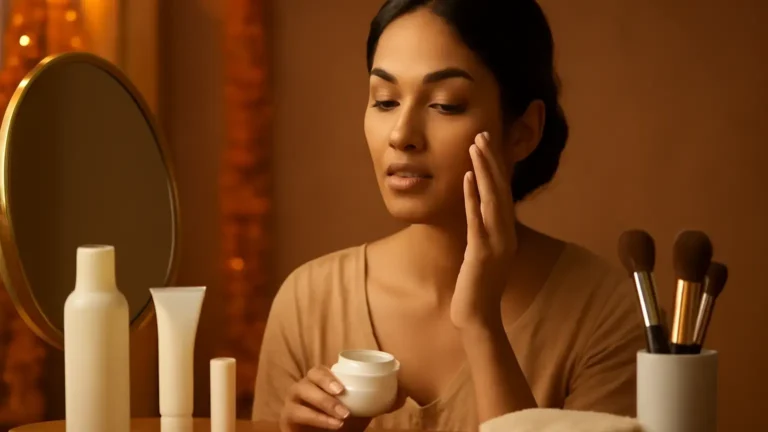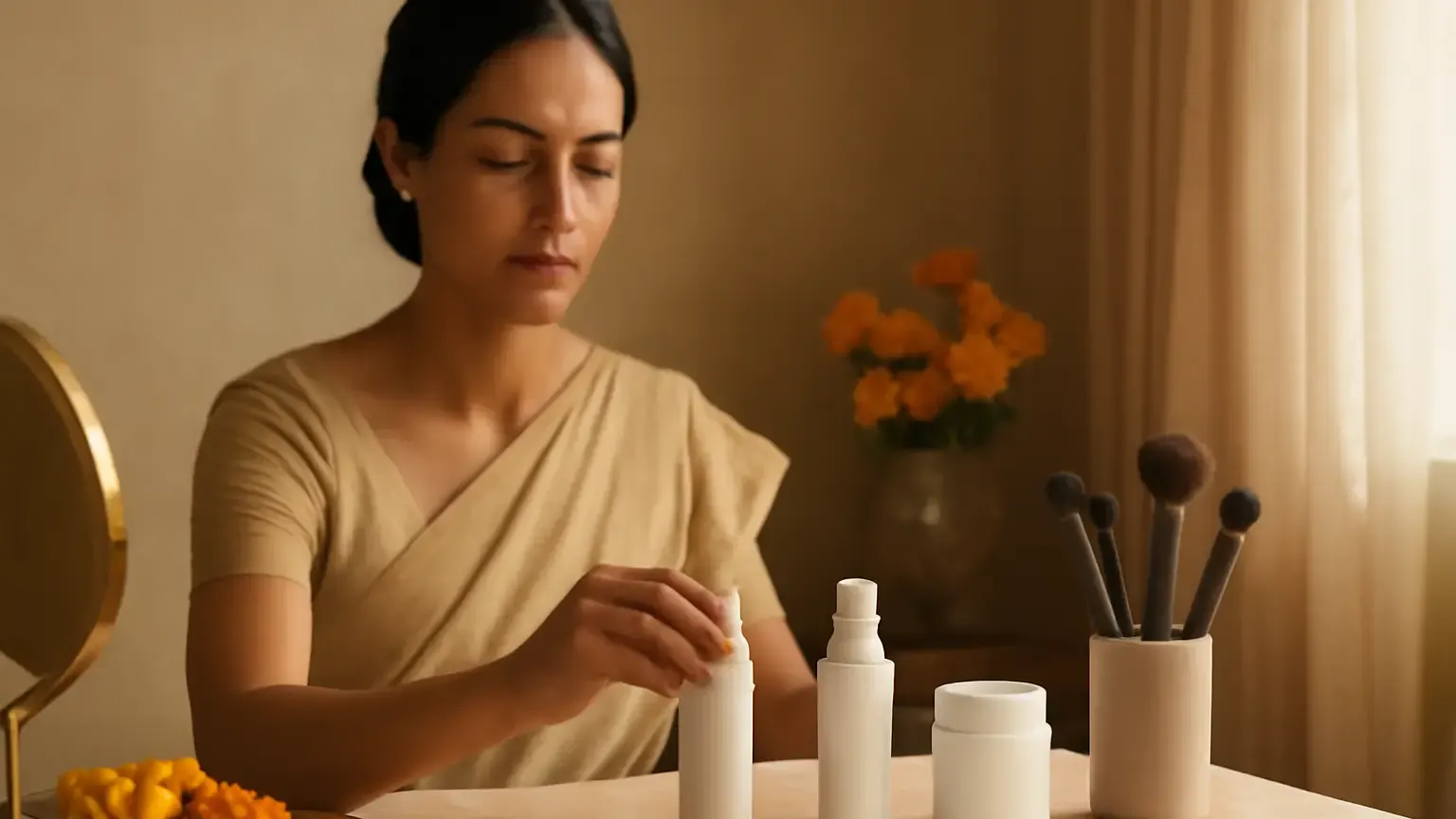
Skin care before festive season works best when it is calm, consistent and planned—not packed with new products. This three-week guide is for anyone preparing for weddings, Diwali, Navratri or family celebrations in India, especially if their skin is sensitive or easily irritated. Keep the basics steady, introduce only one change at a time, patch test early and finish with a simple routine that supports comfortable makeup rather than competing with it.
Festive preparation often brings a tempting list of new serums, scrubs, facials, masks and makeup products. The problem is that several changes close together can make it difficult to identify what caused stinging, dryness, bumps or redness. A better approach is to treat the weeks before an event as a period for stability.
What the three-week plan is designed to do
A practical festive routine should protect the skin barrier, keep cleansing and moisturising consistent, and leave enough time to test anything new. It is not a promise of flawless skin, nor does it require a complicated shelf of products. The goal is to reduce avoidable irritation and make your skin more predictable before long days, heat, travel and makeup.
This approach is especially useful for sensitive skin, skin that feels tight after washing, or anyone who has previously reacted to fragrance, strong exfoliants or salon treatments. Late September and the weeks around Indian festive celebrations can bring changing humidity, heat, dust, pollution and indoor air-conditioning, so comfort and consistency matter more than chasing rapid results.
Week 1: Simplify and establish a reliable base
Begin three weeks before the main celebration by checking what your skin already tolerates. Do not discard every familiar product at once. Instead, create a basic morning and evening routine that you can repeat.
Morning routine
- Cleanse with a gentle cleanser if you wake up oily or sweaty. If your skin is dry or comfortable, rinsing with water may be enough.
- Apply a barrier-supporting moisturiser suited to your skin’s texture. Look for a comfortable finish rather than the richest formula available.
- Use a broad-spectrum sunscreen during daylight, particularly when shopping, travelling, attending outdoor functions or sitting near bright windows. Reapply according to the product directions and time spent outdoors.
Evening routine
Remove sunscreen and makeup thoroughly but without repeated harsh rubbing. Your makeup removal method might be a cleansing balm, micellar water followed by a cleanser, or another option your skin already accepts. Follow with moisturiser while the skin is slightly damp.
During this first week, pause the urge to add several brightening, anti-ageing or acne-focused products. If you already use an active ingredient comfortably, do not suddenly increase its frequency. If a product causes persistent burning or worsening discomfort, seek professional advice rather than trying to counter it with more products.
Week 2: Test carefully and prepare without overdoing it
The second week is for controlled preparation. This is the safest point to assess a new product because there is still time to stop if your skin dislikes it. Choose one change only, such as a new moisturiser, sunscreen or hydrating face mask. Avoid introducing a new cleanser, serum, scrub and makeup base in the same week.
How to approach patch testing
Apply a small amount of the product to a discreet area, such as the inner forearm or behind the ear, following the product instructions. For a leave-on product intended for the face, a small area near the jawline can provide more relevant information, but avoid testing near the eyes or on broken skin. Observe the area over the timeframe recommended by the manufacturer. A patch test can lower uncertainty, but it cannot guarantee that a product will suit your entire face.
Do not patch test multiple products together. If there is marked swelling, intense discomfort, blistering or a reaction that does not settle, stop using the new product and consult a dermatologist or doctor. For mild but persistent irritation, professional guidance is also sensible.
Where exfoliation fits
Exfoliation is optional, not a compulsory step in festive season skin preparation. If your skin already tolerates a gentle exfoliating product, use it sparingly and never combine it with several other strong products on the same night. Skip it if your skin is dry, peeling, sun-sensitive, recently waxed or already irritated. Scrubbing harder does not make makeup sit better; it can leave the surface more reactive.
If you want to use a hydrating face mask, choose one you have tested before or test it early in this week. Keep the rest of the routine plain on that day.
Week 3: Stop experimenting and protect the finish
In the final week, consistency is more valuable than correction. Continue the products that feel comfortable, keep sunscreen in the morning, and moisturise after cleansing. This is not the time to begin a powerful peel, new retinoid, unfamiliar facial kit or a highly fragranced treatment.
Plan facial hair removal with enough breathing room before the event. Waxing, threading, shaving or depilatory products can cause temporary redness or sensitivity, even when used correctly. If you have a method you regularly tolerate, schedule it according to your usual recovery time rather than trying a new technique just before the celebration. Avoid applying strong exfoliants or fragranced products immediately after hair removal.
Keep body care equally practical. Moisturise dry areas such as elbows, knees, hands and feet, and test any shimmer, body makeup or new fragrance before the event. A small amount on an unobtrusive area can help you assess comfort and transfer onto clothing.
What to avoid before festive makeup
Knowing what to avoid before festive makeup can be as useful as choosing a product. Avoid these common last-minute decisions:
- Using a new peel, scrub or strong serum the night before an event.
- Layering several active ingredients because you want faster brightening or smoother texture.
- Booking an unfamiliar facial, extraction or intensive salon treatment immediately before a function.
- Trying a new foundation, primer, glitter product or adhesive on the day itself.
- Sleeping in makeup or skipping makeup removal after a long celebration.
- Picking at a spot or repeatedly touching areas covered by makeup.
If you need to use a new makeup product, test it earlier in the third week and wear it for a short period at home. Check how it feels after several hours, especially around the eyes, nose and mouth. Remove it gently afterwards and return to your familiar routine.
Small habits that support calmer-looking skin
A festive routine is not only about topical products. Sleep and hydration support general wellbeing, although they cannot instantly change every skin concern. Try to keep sleep timing reasonably regular, drink fluids according to your needs and include balanced meals during busy preparation days. Avoid treating dehydration with repeated layers of heavy products if your skin is actually irritated.
Keep towels, pillowcases, makeup brushes and sponges clean. Avoid sharing eye makeup or applicators. In hot, crowded or dusty settings, blot sweat gently instead of rubbing. Carry sunscreen for outdoor plans and take short breaks from heavy makeup when practical.
How to adapt the plan to your skin and schedule
| Situation | Safer adjustment |
|---|---|
| Skin feels dry or tight | Use a mild cleanser less often, apply a comfortable moisturiser and skip exfoliation until it feels settled. |
| Skin is easily oily or sweaty | Choose lightweight layers, cleanse after heavy perspiration and avoid repeatedly washing throughout the day. |
| You have several events | Keep one dependable routine between events rather than changing products for every function. |
| You have little planning time | Prioritise cleanser, moisturiser, sunscreen and tested makeup. Do not attempt an intensive rescue routine. |
| You are prone to reactions | Use fragrance-free or previously tolerated options and patch test new products well ahead of the event. |
The best skincare routine before Diwali, a wedding or another celebration is therefore the one you can repeat without discomfort. Product labels, climate, skin type and personal history all matter more than a trend seen online.
A simple event-day checklist
- Cleanse gently or rinse, depending on what your skin usually tolerates.
- Apply moisturiser and allow it to settle before makeup.
- Use sunscreen for daytime events, leaving enough time for it to form an even layer.
- Choose tested makeup and apply thin layers where possible.
- Carry blotting tissue or a soft clean tissue instead of rubbing with unwashed hands.
- Remove makeup soon after returning home, then use your familiar evening routine.
If burning, swelling, significant redness, painful cracking or a persistent rash develops, pause new cosmetic products and seek advice from a dermatologist or doctor. Do not rely on a last-minute home remedy to mask a concerning reaction.
Takeaway: steady skin care before festive season beats a last-minute overhaul
The most useful three-week plan is deliberately uneventful: establish a gentle base in week one, patch test and make only small changes in week two, then stop experimenting in week three. Keep active ingredients and treatments familiar, schedule hair removal early, remove makeup properly and protect your skin from sun and friction. This approach cannot prevent every reaction, but it can reduce avoidable surprises while helping your skin feel more comfortable through the celebrations.
Products that may help with this routine
Choose products based on your skin, hair or personal needs rather than buying every item in a routine.
- Gentle Cleanser For Sensitive Skin Amazon India
(paid link) See relevant options on Amazon - Fragrance-free Moisturiser For Sensitive Skin Amazon India
(paid link) See relevant options on Amazon - Broad Spectrum Sunscreen SPF 50 Amazon India
(paid link) See relevant options on Amazon - Micellar Water For Makeup Removal Amazon India
(paid link) See relevant options on Amazon
Frequently Asked Questions
How do I prepare my skin before festive season?
Start three weeks early with a gentle cleanser, moisturiser and broad-spectrum sunscreen. Test only one new product at a time, keep exfoliation mild or optional, and stop experimenting during the final week.
What is a good 3 week pre festive skincare routine?
In week one, simplify and repeat a routine your skin already tolerates. In week two, patch test one useful addition and schedule any familiar hair-removal method early. In week three, keep products steady and avoid new treatments.
What should I avoid before festive makeup?
Avoid new peels, strong active ingredients, harsh scrubs, unfamiliar facials, last-minute waxing or threading, and untested makeup. These changes can increase the chance of dryness, redness or stinging.
How long before an event should I patch test skincare?
Patch test a new product during the second week of the plan, ideally several days or more before the event, and follow the manufacturer’s instructions. A test reduces uncertainty but does not guarantee full-face tolerance.
What is the best skincare routine before Diwali?
The best routine before Diwali is one built around products you already tolerate: gentle cleansing, comfortable moisturising, daytime sunscreen and careful makeup removal. Avoid adding several brightening or exfoliating products close to the celebration.
How can I prevent irritation from festive skincare?
Introduce one product at a time, patch test early, avoid combining strong actives, schedule facial hair removal with recovery time, and return to a simple routine if your skin feels uncomfortable.