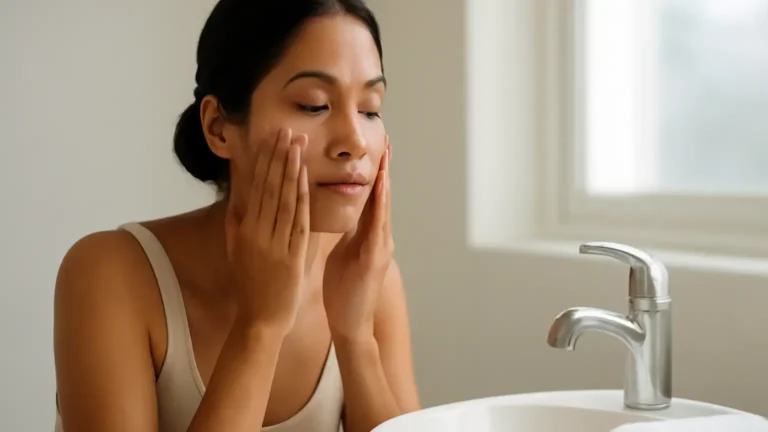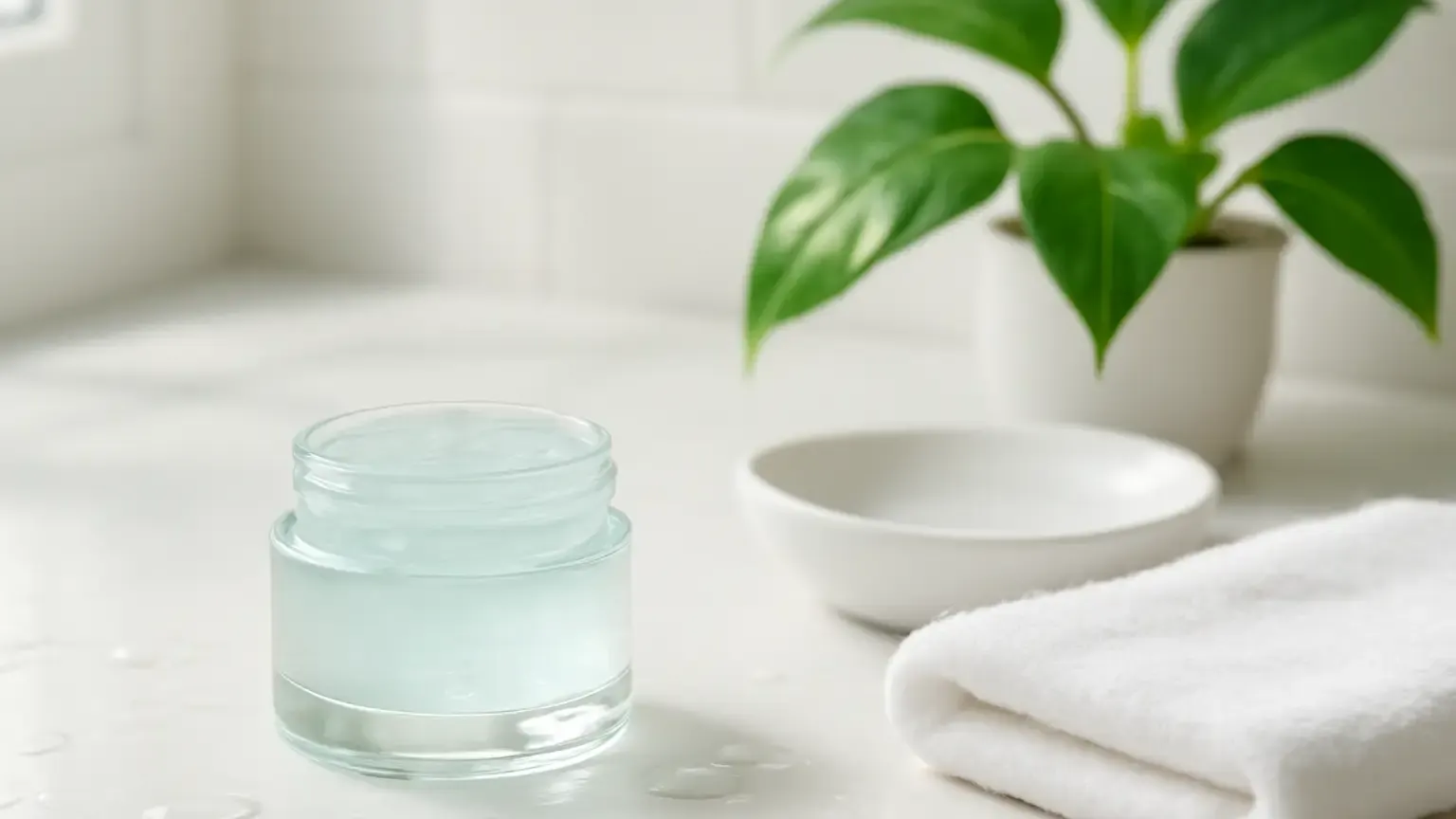
An acne prone skin moisturizer should feel light, spread easily and leave skin comfortable rather than greasy or tight. This guide is for people managing oily, combination or blemish-prone-looking skin who want hydration without guesswork. Compare five things before buying: texture, finish, non-comedogenic positioning, ingredient balance and daily wearability. The goal is not to treat breakouts, but to choose a dependable moisturiser that fits your routine, climate and personal skin response.
Many people with oily or blemish-prone-looking skin skip moisturiser because they associate hydration with heaviness, shine or blocked pores. That can make a routine feel uncomfortable, especially after cleansing. Skin can produce oil and still feel dehydrated on the surface. A suitable moisturiser helps reduce that tight, over-cleansed feeling and makes daily skincare easier to maintain.
However, not every formula will suit every face. A product described as light or non-comedogenic may still feel sticky in a hot climate, irritate fragrance-sensitive skin or simply be too rich for your preferences. Use the following five checks to compare an acne prone skin moisturizer before adding it to your shelf.
Why acne-prone skin can still need hydration
Oil and water are not the same thing. Sebum is an oily substance, while hydration refers to water content and comfort in the outer layers of the skin. Cleansing, exfoliating too often, dry indoor air, air-conditioning and hot weather can all leave skin feeling tight even when it becomes shiny later.
A moisturiser can support skin barrier hydration by combining ingredients that attract water, soften the skin and reduce excessive moisture loss. It does not need to feel thick to be useful. For many people, a thin layer applied to slightly damp skin is enough for daytime, while a little more may feel comfortable at night.
This is general beauty guidance, not acne treatment. If you have painful, persistent or worsening breakouts, sudden changes, scarring or significant irritation, consult a dermatologist. Keep any prescribed routine in place unless your doctor advises otherwise.
Check 1: Does the texture suit your skin and climate?
Start with how the formula feels when you spread it. A gel moisturiser or gel-cream is often preferred by people who dislike a heavy layer. It may suit combination skin, oily skin or humid weather skincare routines because it tends to absorb quickly. A lotion can offer slightly more cushioning without feeling as dense as a cream.
Texture is not a reliable ranking system. A cream is not automatically pore-clogging, and a gel is not automatically suitable. What matters is the complete formula, the amount applied and how your skin responds over several uses. Very dry or easily irritated areas may prefer a lotion or light cream, while an oilier T-zone may feel better with a gel texture.
- Gel: a fresh, low-weight option for people who dislike residue.
- Gel-cream: a middle ground when gel alone feels insufficient.
- Light lotion: useful when skin feels tight but you still want easy spreading.
- Rich cream: worth considering for dry patches, but apply selectively if your face dislikes heavier layers.
Check 2: Look at the finish, not only the ingredient list
The finish is what remains after application. Some people want a natural finish, while others prefer a soft-matte feel that layers neatly beneath sunscreen. If your face feels greasy within minutes, compare an oil-free moisturiser or a non-sticky face moisturiser with richer options. If skin feels stretched or rough, an ultra-matte formula may not be the most comfortable choice.
For a lightweight moisturiser for oily skin, apply a small amount first. Wait a few minutes, then assess shine, tackiness and pilling. A moisturiser that feels comfortable before sunscreen may still roll up when layered with it. This is why a finish check should happen as part of your real morning routine rather than only on the back of your hand.
Do not treat shine as proof that a product is unsuitable. Skin can have a healthy natural sheen. The more useful questions are: Does it feel greasy? Does it make sunscreen difficult to apply? Does it encourage you to touch your face? Does it leave dry areas comfortable without making other areas feel coated?
Check 3: Understand “non-comedogenic” positioning
“Non-comedogenic” generally means the product is positioned or assessed as less likely to contribute to clogged pores than a comparison formula. It is useful information, but it is not a universal guarantee. Individual skin can react differently, and the rest of your routine, makeup, sunscreen, cleansing habits and climate also matter.
When searching for a non-comedogenic moisturizer India shoppers should compare the full label rather than relying on a single front-of-pack claim. Look for clear ingredient information, an appropriate texture and a return or trial option where available. A product marketed for acne-prone skin can still feel irritating or heavy for a particular user.
Introduce one new leave-on product at a time. Use it consistently for several days while keeping the rest of your routine familiar. If you notice burning, swelling, an itchy rash or persistent worsening, stop using the new product and seek professional advice. A small test on an inconspicuous area can be part of sensible patch testing skincare, but it cannot predict every facial reaction.
Check 4: Assess the ingredient balance
Ingredient names are more useful when grouped by their role. Humectants such as glycerin, panthenol and hyaluronic acid help attract water. This is why hyaluronic acid for oily skin can be a reasonable consideration: the ingredient itself does not determine whether the finished product feels greasy. Emollients help soften roughness, while occlusive ingredients help reduce water loss and may create a more protective feel.
For ceramides for skin barrier support, look for a formula that feels comfortable rather than choosing an ingredient only because it is trending. Ceramides may be useful in a moisturising formula, particularly when skin feels dry or over-cleansed, but the surrounding ingredients and texture still matter.
People who prefer fragrance-free skincare may choose to avoid added fragrance, especially if their skin is easily irritated. This does not mean every fragranced product will cause a problem, nor does fragrance-free guarantee perfect tolerance. If you are comparing two otherwise similar products, a simpler, familiar formula may make troubleshooting easier.
There is no universal list of ingredients that every acne-prone person must avoid. Instead, pay attention to your own history and the formula’s overall feel. Be cautious with products that are heavily perfumed, very rich for your skin type or difficult to remove when layered. Remember that “natural” does not automatically mean gentle, and “chemical” is not a useful safety category.
Check 5: Test everyday comfort in your actual routine
The best moisturizer for acne prone skin is one you can apply comfortably and consistently. Test it in the setting where you will use it: after cleansing in the morning, under sunscreen, after a shower, or at night. A product may feel ideal in a cool room but too tacky during an Indian summer commute.
Simple morning routine
- Cleanse gently, or rinse with water if that suits your morning routine.
- Apply a thin layer of moisturiser to slightly damp skin.
- Allow it to settle briefly rather than rubbing repeatedly.
- Apply broad-spectrum sunscreen as the final daytime skincare step.
For a moisturiser under sunscreen, look for quick spreading, low pilling and a finish that does not make you want to apply less sunscreen. If sunscreen already feels moisturising, you may prefer a smaller amount of face moisturiser or use it only on drier areas. Do not reduce sunscreen coverage simply to avoid a dewy finish.
Simple evening routine
At night, cleanse off sunscreen and makeup appropriately, then apply your chosen moisturiser. Avoid adding several new products at once. A short, repeatable acne-safe skincare routine is easier to evaluate than a crowded routine in which you cannot identify what is causing discomfort.
Common buying and application mistakes
- Skipping moisturiser completely: oiliness does not prove that skin has enough water or feels comfortable.
- Choosing the heaviest formula for instant softness: a rich first impression may become uncomfortable in humidity.
- Trusting one marketing claim: non-comedogenic, oil-free or “for oily skin” labels still need context.
- Applying too much: start with a small amount and add only where needed.
- Changing several products together: this makes it difficult to identify a cause if irritation appears.
- Ignoring layering: a moisturiser may work alone but pill with your serum or sunscreen.
Quick comparison checklist
Before buying, ask these five questions:
- Is the texture light enough for my skin type and local weather?
- Will the finish feel comfortable under sunscreen or makeup?
- Is the non-comedogenic claim supported by a transparent product label?
- Do the humectants, emollients and barrier-supporting ingredients fit my needs?
- Can I use it consistently without stinging, excessive tackiness or repeated pilling?
Takeaway: an acne prone skin moisturizer does not need to be aggressively matte or completely weightless. Choose the lightest comfortable texture that gives enough hydration, check how it layers in your climate and judge non-comedogenic positioning as helpful guidance rather than a promise. If skin remains persistently painful, inflamed or irritated, professional dermatology advice is the safer next step.
Products that may help with this routine
Choose products based on your skin, hair or personal needs rather than buying every item in a routine.
- Lightweight Gel Moisturiser For Oily Skin Amazon India
(paid link) See relevant options on Amazon - Fragrance-free Face Moisturiser Amazon India
(paid link) See relevant options on Amazon - Non-comedogenic Gel Moisturiser Amazon India
(paid link) See relevant options on Amazon
Frequently Asked Questions
What is the best acne prone skin moisturizer for oily skin?
The best option is usually a comfortable gel, gel-cream or light lotion with a finish that does not feel greasy. Compare the full formula, non-comedogenic positioning, layering performance and your own response rather than choosing by texture alone.
Is gel moisturizer good for acne prone skin?
A gel moisturiser can suit acne-prone-looking, oily or combination skin because it often feels light and spreads easily. It is not automatically suitable for everyone, so check for comfort, fragrance preferences, layering and any personal reaction.
How do I choose a non-comedogenic moisturizer in India?
Compare transparent ingredient information, texture, finish and climate suitability. A non-comedogenic claim can be useful, but it is not a guarantee for every person. Introduce one new leave-on product at a time and monitor comfort.
Can acne prone skin use moisturizer?
Yes. Acne-prone-looking skin can still feel dry or dehydrated and may benefit from regular, comfortable hydration. Choose a suitable lightweight formula, apply a modest amount and seek dermatologist advice for persistent or severe symptoms.
What ingredients should acne prone skin avoid in moisturizer?
There is no universal avoid list for everyone. If your skin is sensitive, you may prefer fragrance-free skincare and avoid formulas that have previously caused irritation. Consider the complete formula, use a small amount and introduce new products gradually.