A beauty decluttering checklist helps anyone with an overflowing vanity, crowded bathroom shelf or half-used products decide what stays, what goes and what needs replacing. Start with safety: remove expired, contaminated or visibly changed products. Then keep items you use and that suit your skin, set aside duplicates, and replace only genuine gaps. The result is a smaller collection that is easier to see, clean, use and maintain—without throwing away products simply because they are not new.
Start with a four-pile beauty decluttering system
Before opening every drawer, prepare four clearly labelled groups: toss, keep, replace and decide later. Work category by category rather than emptying your entire collection at once. A focused 20- to 30-minute session is less overwhelming and makes it easier to compare similar products.
- Toss: products that are expired, contaminated, visibly changed, damaged or unsafe to use.
- Keep: products you use, enjoy and can reasonably finish before their useful life ends.
- Replace: products that fill an important routine gap but are empty, unhygienic, broken or unsuitable.
- Decide later: items that are safe but rarely used and need a short trial before a final decision.
This simple approach prevents a common mistake in cosmetic decluttering: treating every unwanted item as rubbish. Some products can be passed to a suitable person only if they are unopened, sealed and within date. Do not share opened eye products, lip products or anything that has touched irritated skin.
Use safety first: what to toss immediately
Expiry is not the only reason to discard a beauty product. Changes in smell, colour, texture or separation can indicate that a formula is no longer stable. If you cannot remember when a product was opened and it has been sitting in heat or dampness, be more cautious—especially with eye and liquid products.
Check dates, symbols and formula changes
- Makeup expiry dates: look for a printed date, batch information or the open jar symbol showing a period after opening, such as 6M or 12M.
- Expired makeup: mascara, liquid eyeliner and cream products deserve particular attention because moisture and repeated contact can encourage contamination.
- Skincare shelf life: unopened and opened products can have different usable periods. Follow the packaging guidance and note when you first open a product.
- Visible change: discard products that smell sour or unusual, develop spots, become grainy, separate permanently or change colour without explanation.
- Damaged packaging: throw away cracked compacts, leaking tubes and pumps that no longer close or dispense hygienically.
Do not try to rescue a questionable product by adding water, oil or another cosmetic. That can alter the preservative balance and increase contamination risk. Avoid using products that cause repeated stinging, itching or redness. For persistent or severe skin symptoms, speak with a dermatologist or doctor rather than continuing to experiment with products.
Keep only what suits your routine and skin
The best item in a collection is not necessarily the most expensive one; it is the product that performs a useful job and is comfortable for you to use. Assess skin type suitability, climate, finish, shade, fragrance preference and how often the item fits your actual routine—not an imagined lifestyle.
Ask these questions for each product:
- Have I used it in the last three months, or do I have a realistic occasion for it?
- Does it work with my skin, hair, makeup preferences or current routine?
- Would I choose this item again if I were shopping today?
- Can I use it up before its period after opening ends?
- Does it earn its storage space, or is it hiding a similar product I prefer?
Keep reliable basics first: a comfortable sunscreen, a cleanser you regularly use, a moisturiser that suits your needs, everyday complexion products and the makeup tools you reach for. If a skincare item is new to you, introduce it thoughtfully. Patch testing skincare on a small area can be a sensible precaution, although it cannot guarantee that a product will suit everyone.
Deal with duplicate beauty products without over-decluttering
Duplicate beauty products are often the biggest source of clutter. Group similar items together: foundations, concealers, blushes, lip colours, cleansers, serums, moisturisers and hair products. Seeing all of one category at the same time reveals which formulas are genuinely different and which are near-identical purchases.
Keep duplicates when they have a clear purpose—for example, one foundation for daily wear and another for a different finish or shade. Keep only one or two backups of a true staple, and only if you will finish them within their usable period. Otherwise, choose a favourite and place the rest in the decide-later group.
For a safe reduction, create a “use next” basket. Put open products that are still suitable but neglected there, then use one at a time for two to four weeks. This is especially helpful for lipsticks, body care and hair products. If you still avoid an item after a fair trial, it is probably not earning its place.
Replace hygiene risks and worn-out tools
Beauty product hygiene depends on both the formula and the tools touching it. Examine brushes, sponges, lash curlers, tweezers and makeup bags during the same review. Wash reusable brushes regularly with a gentle cleanser and allow them to dry fully. Replace tools that have cracked handles, frayed bristles, mould, a persistent odour or surfaces that cannot be cleaned properly.
- Replace damp, stained or crumbling makeup sponges if washing no longer removes residue.
- Do not share mascara, liquid eyeliner, lip gloss wands or products used directly on broken skin.
- Clean compact edges and bottle pumps rather than repeatedly touching formulas with unwashed hands.
- Wash makeup bags and discard liners that retain product, moisture or odour.
Replacement should solve a practical problem, not create another shopping pile. Write down the missing item, its preferred format and the reason you need it. This pause helps distinguish a genuine replacement from an impulse purchase.
Choose storage that protects products
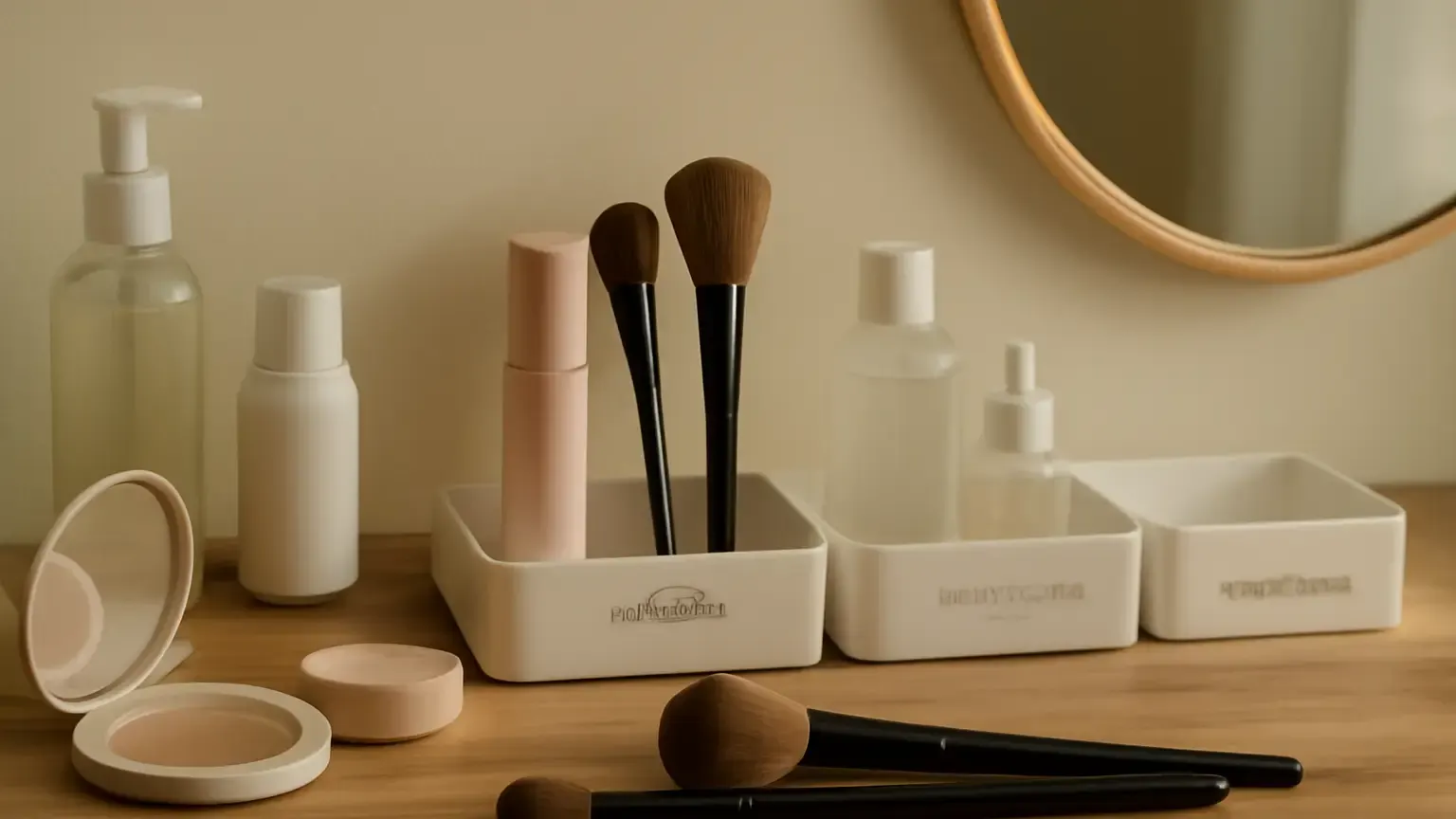
Good makeup storage ideas do not require a large vanity. Store everyday products in one shallow tray or pouch so they remain visible. Keep backups and occasional makeup separately. Clear dividers, small washable containers and vertical organisers can help, but buying storage before editing your collection often makes clutter harder to spot.
Pay attention to bathroom humidity. Steam and temperature changes can be unhelpful for many cosmetics, especially powders, natural formulas and products in frequently opened jars. If possible, keep skincare and makeup in a cool, dry drawer outside the steamiest part of the bathroom. Close lids firmly, keep pump nozzles clean and store sunscreen according to its label guidance.
Use the open jar symbol as a tracking aid: write the opening month on a small removable label. Arrange products with the earliest opening date at the front. A weekly one-minute reset—returning items to their places and wiping the tray—can prevent another major declutter.
Build a smaller collection that is easy to use
Once you have sorted the products, create three practical zones:
- Daily: the makeup and skincare used most mornings or evenings.
- Occasional: event makeup, bold colours and specialist tools that are still safe and useful.
- Finish first: opened products you want to use consistently before starting another similar item.
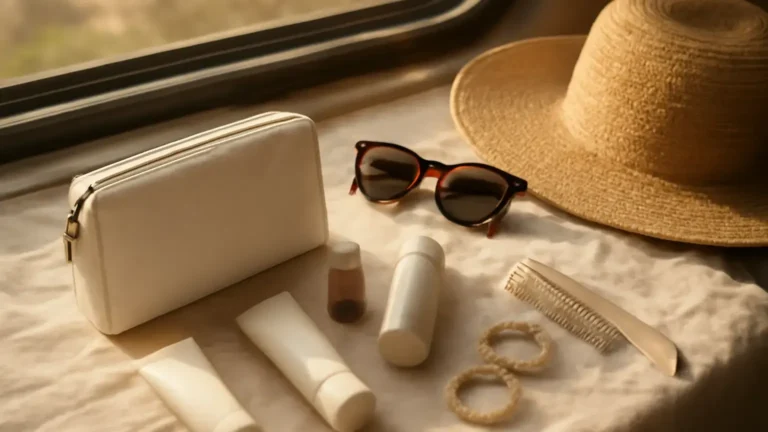
A compact travel makeup kit can double as a test of whether your collection is functional. Choose a base or concealer, one versatile colour product, a lip option, mascara if within its safe use period and essential tools. If you can create a workable kit from a small selection, the rest of your collection should have a clear reason for being there.
For people learning how to organise a small beauty collection, visibility matters more than elaborate containers. Keep everyday items at eye level, label backups and avoid stacking products so deeply that forgotten items expire. A collection is working when you can find what you need quickly and remember what you own.
Common decluttering mistakes to avoid
- Keeping products because they were expensive: sunk cost does not make an unsuitable or expired product safer.
- Throwing away everything after one bad day: a shade may need different lighting or application, unless it causes discomfort or irritation.
- Buying replacements before checking stock: finish the audit first and record real gaps.
- Ignoring hygiene because a product looks fine: contamination is not always visible, particularly around eyes and lips.
- Using a “maybe” pile forever: set a decision date, such as 30 days, and make a final choice.
Quick takeaway
Use this beauty decluttering checklist in order: remove unsafe products, keep items that suit your real routine, group and reduce duplicates, replace hygiene risks or genuine gaps, then store the remaining collection in a cool, visible and easy-to-clean space. Revisit it every three to six months, or sooner if your routine, skin needs or climate changes.
Products that may help with this routine
Choose products based on your skin, hair or personal needs rather than buying every item in a routine.
- Washable Makeup Organiser Tray Amazon India
(paid link) See relevant options on Amazon - Makeup Brush Cleaning Mat Amazon India
(paid link) See relevant options on Amazon - Clear Cosmetic Storage Organiser Amazon India
(paid link) See relevant options on Amazon - Reusable Makeup Sponge Set Amazon India
(paid link) See relevant options on Amazon
Frequently Asked Questions
How to declutter beauty products without wasting useful items?
Sort products into toss, keep, replace and decide-later groups. Toss anything expired, contaminated, damaged or visibly changed. Keep products you use and that suit your routine, while giving safe but neglected items a short trial before deciding.
When to throw away makeup?
Throw away makeup when it passes the product’s recommended use period, smells unusual, changes texture or colour, develops spots, becomes contaminated or causes repeated discomfort. Be especially cautious with mascara, liquid eyeliner, cream products and items used around the eyes.
How to tell if skincare is expired?
Check the printed date or open jar symbol, then look for changes in smell, colour, texture, separation or performance. An unknown opening date, damaged packaging or storage in prolonged heat or humidity are additional reasons to replace it.
What beauty products should I replace first?
Prioritise products with hygiene risks or damaged packaging, such as old mascara, liquid eye products, cracked compacts, mouldy sponges and products with changed formulas. Replace everyday staples only when they are empty, unsafe or no longer suitable.
How often should I do a makeup and skincare declutter?
A quick monthly check can remove obvious rubbish, while a fuller makeup and skincare declutter every three to six months helps review expiry, duplicates, tools, storage and changes in your routine.
How to organise a small beauty collection?
Keep daily products together in a visible tray, separate occasional items and place open products that need finishing at the front. Store cosmetics in a cool, dry area, label opening dates and avoid buying organisers until you have reduced the collection.